
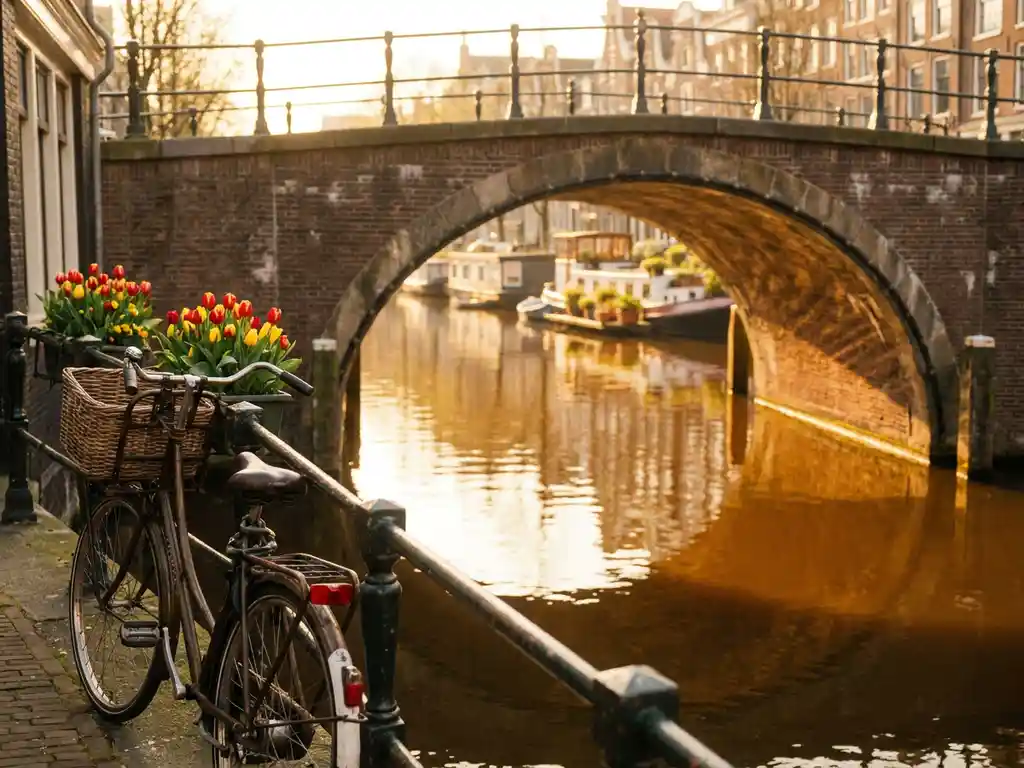
Amsterdam rewards visitors who know where to look. The city’s unmissable experiences range from world-class museums and golden-age canal architecture to neighbourhood markets, live comedy, and the kind of brown café where time slows down in the best possible way. The key is knowing which experiences genuinely deliver and which ones exist mainly to drain your wallet and patience.
Amsterdam is a compact city, which means you can cover a lot of ground in a short visit — but that also means tourist traps and hidden gems sit within a few hundred metres of each other. The sections below cut through the noise and give you a practical, honest guide to what actually matters.
Which Amsterdam experiences are worth the hype?
A handful of Amsterdam’s most famous attractions genuinely live up to their reputation. The Rijksmuseum deserves every superlative it receives — Rembrandt’s Night Watch alone justifies the visit. The canal belt, a UNESCO World Heritage Site, is best appreciated on foot or by bicycle rather than from a tourist boat. The Anne Frank House is emotionally essential but requires advance booking months ahead.
Beyond the classics, a few experiences punch above their weight. The Stedelijk Museum offers one of Europe’s strongest collections of modern and contemporary art without the queues at the Van Gogh Museum next door. A wander through the Jordaan neighbourhood on a Saturday morning, ending at the Noordermarkt, is as authentically Amsterdam as it gets. And for anyone who wants to understand the Dutch relationship with language, humour, and directness, the best English shows Amsterdam has to offer are found at Boom Chicago — a comedy theatre that has been making locals and internationals laugh since 1993.
- Rijksmuseum: Book online, arrive early, and give yourself at least two hours
- Canal belt on foot: Cross the Magere Brug at dusk for one of the city’s best free views
- Anne Frank House: Book tickets months in advance — walk-up entry is essentially impossible
- Jordaan neighbourhood: Saturday morning at the Noordermarkt is the real Amsterdam
- Boom Chicago: English-language comedy that captures the city’s spirit and wit
What do most visitors miss entirely?
Most visitors miss the neighbourhoods east and west of the canal ring entirely. De Pijp, the Eastern Docklands, and Noord are where Amsterdam’s creative and culinary energy actually lives in 2026. The Albert Cuyp Market in De Pijp is the city’s largest street market and is almost entirely frequented by locals. Amsterdam Noord, reached by a free five-minute ferry behind Centraal Station, feels like a different city — in the best possible way.
The smaller museums are also chronically undervisited. The Jewish Historical Museum, the Resistance Museum, and the Tropenmuseum each tell a story about Amsterdam that the Rijksmuseum simply cannot. These are places where you understand not just what Amsterdam produced, but what it survived and how it sees the world.
Brown cafés — the old-school Dutch pubs with wooden interiors, candles on the tables, and no cocktail menus — are disappearing faster than anyone would like. Finding one that has not been renovated into a design hotel bar is a genuine Amsterdam experience. Ask a local, not Google.
How do you experience Amsterdam like a local?
Experiencing Amsterdam like a local means moving at a different pace and choosing different venues. Locals cycle everywhere, eat lunch at home or at simple sandwich shops called broodjes bars, and spend Sunday afternoons in Vondelpark or along the IJ waterfront rather than in the museum quarter. They avoid the Leidseplein and Rembrandtplein bar strips almost entirely.
A few practical shifts make an enormous difference:
- Rent a bicycle and use it as your primary transport — this is non-negotiable for genuine local immersion
- Eat at Indonesian restaurants, which reflect Amsterdam’s colonial history and are genuinely beloved by locals
- Visit the Concertgebouw for a free lunchtime concert on Wednesdays during the season
- Catch a show at a smaller venue — Paradiso, Melkweg, or Boom Chicago — rather than stadium events
- Shop at the Albert Heijn supermarket and eat lunch on a canal bench like everyone else does
The deeper local experience is about rhythm rather than destinations. Amsterdam locals are direct, time-efficient, and quietly proud of their city without being sentimental about it. Matching that energy — curious, unhurried, and genuinely engaged rather than ticking boxes — is the real unlock.
When is the best time to visit Amsterdam’s top spots?
The best time to visit Amsterdam’s top attractions is early morning on weekdays, ideally before 10am. The Rijksmuseum, Van Gogh Museum, and Anne Frank House all see significantly lower crowds in the first hour after opening. Visiting in late autumn or winter means shorter queues across the board, even if the weather is less forgiving.
Seasonally, April and May offer the best combination of manageable crowds and pleasant weather — the tulip season peaks in late April, and the city has not yet reached its summer saturation point. September is an underrated month: the tourist peak has passed, the cultural season restarts, and the light on the canals is extraordinary.
Summer — particularly July and August — is genuinely overwhelming in the historic centre. If you are visiting in peak season, the solution is to shift your schedule rather than your destination. Museums at 9am, canal walks at 7am, and evenings in neighbourhoods like De Pijp or Oud-West, where the tourist density drops sharply.
What should you skip in Amsterdam to save time?
Skip the Heineken Experience, Madame Tussauds, and the Amsterdam Dungeon unless you are travelling with children who specifically want them. These are expensive, time-consuming, and designed for visitors who have not done any research — which, if you are reading this, is not you. The same goes for the overcrowded cheese shops on Damrak that sell products no Dutch person would eat.
Canal boat tours from the main tourist docks are also largely skippable. If you want to see Amsterdam from the water — and it is genuinely beautiful from the water — rent a small electric boat with friends or take the free ferry to Noord instead. You will see more and spend less.
Finally, skip the restaurant strip around the Leidseplein for dinner. The menus are designed for tourists, the prices are high, and the quality is mediocre. Walk ten minutes in any direction and the options improve dramatically.
How Klagen Niet Klagen helps you navigate Amsterdam
Knowing what to skip is as valuable as knowing what to seek out — and that kind of honest, insider guidance is exactly what Klagen Niet Klagen is built to provide. This blog cuts through the tourist noise with long-form essays and opinion pieces written by someone who has lived, worked, and built something real in Amsterdam for over thirty years.
- Honest takes on what is worth your time and what is a tourist trap dressed up as culture
- Neighbourhood-level insight that no travel guide or tourism board will give you
- Commentary on Amsterdam’s contradictions, humour, and unspoken rules — written in English, for a globally minded audience
- A consistent editorial voice grounded in genuine local experience, not a press trip
If you want more of this kind of perspective, the full blog archive covers everything from Dutch cultural norms to the city’s best-kept neighbourhoods. Bookmark it before your next visit — or your next argument with a Dutch person about whether queueing is actually necessary.
And if you want to experience Amsterdam’s sharpest English-language humour live, Boom Chicago is the place. For more than three decades, it has been the city’s home for smart, fast, and genuinely funny English comedy — the kind that locals and internationals both turn up for. Check the shows and agenda before you visit, because the good nights sell out. If you want to know more or have questions, the contact page is right there.
Frequently Asked Questions
How far in advance should I book tickets for Amsterdam's major attractions?
For the Anne Frank House, book as early as possible — ideally two to three months ahead, especially for spring and summer visits, as tickets routinely sell out weeks in advance. The Rijksmuseum and Van Gogh Museum can usually be booked one to two weeks ahead, though peak season (July–August) warrants earlier action. Boom Chicago shows are best booked at least a few days in advance, particularly for weekend performances and special events, which tend to sell out quickly.
Is a multi-day museum pass like the Museumkaart worth it for a short visit?
The Museumkaart (annual museum card) pays for itself after visiting roughly four major museums, so it makes sense if you plan to visit the Rijksmuseum, Stedelijk, Jewish Historical Museum, and Resistance Museum in one trip. For a two-to-three day visit with a focused cultural itinerary, it is genuinely good value and also lets you skip the ticket queue at most venues. However, if your trip is primarily about neighbourhoods, markets, cycling, and food rather than museums, the card may not cover enough to justify the upfront cost.
What is the safest and most practical way to rent a bicycle in Amsterdam as a visitor?
Use a reputable rental shop rather than the cheapest option near Centraal Station — shops like MacBike, Black Bikes, or Orangebike offer well-maintained bikes with proper locks, which matters enormously in a city with one of the world’s highest bicycle theft rates. Always use both the frame lock and the additional chain lock provided, and lock your bike to a fixed object, not just itself. Riding in Amsterdam traffic feels intimidating for the first twenty minutes and completely natural after that — the key is to commit, signal clearly, and never stop suddenly in a cycle lane.
Are there any free or low-cost experiences in Amsterdam that locals actually rate?
Yes — some of Amsterdam’s best experiences cost nothing at all. The Wednesday lunchtime concerts at the Concertgebouw are free during the season and take place in one of the world’s great concert halls. The free ferry from behind Centraal Station to Amsterdam Noord costs nothing and delivers you to NDSM Wharf, one of the city’s most interesting creative spaces. Vondelpark on a sunny afternoon, the Noordermarkt on Saturday mornings, and simply walking the canal belt at dusk are all genuinely local pleasures that require no budget whatsoever.
What are the most common mistakes first-time visitors make when planning an Amsterdam trip?
The single biggest mistake is concentrating the entire itinerary within the historic centre and the museum quarter, which means missing the neighbourhoods — De Pijp, Noord, Jordaan — where the city’s real character lives. A close second is underestimating how much time tourist-trap queues and overpriced meals in the wrong areas can consume. Finally, many first-timers skip the smaller, thematic museums in favour of the big names, and miss the more nuanced, emotionally resonant stories that places like the Resistance Museum or the Jewish Historical Museum tell far better than any guidebook can.