Author: Andrew

  • Is limiting tourist numbers actually working in Amsterdam?

    Is limiting tourist numbers actually working in Amsterdam?

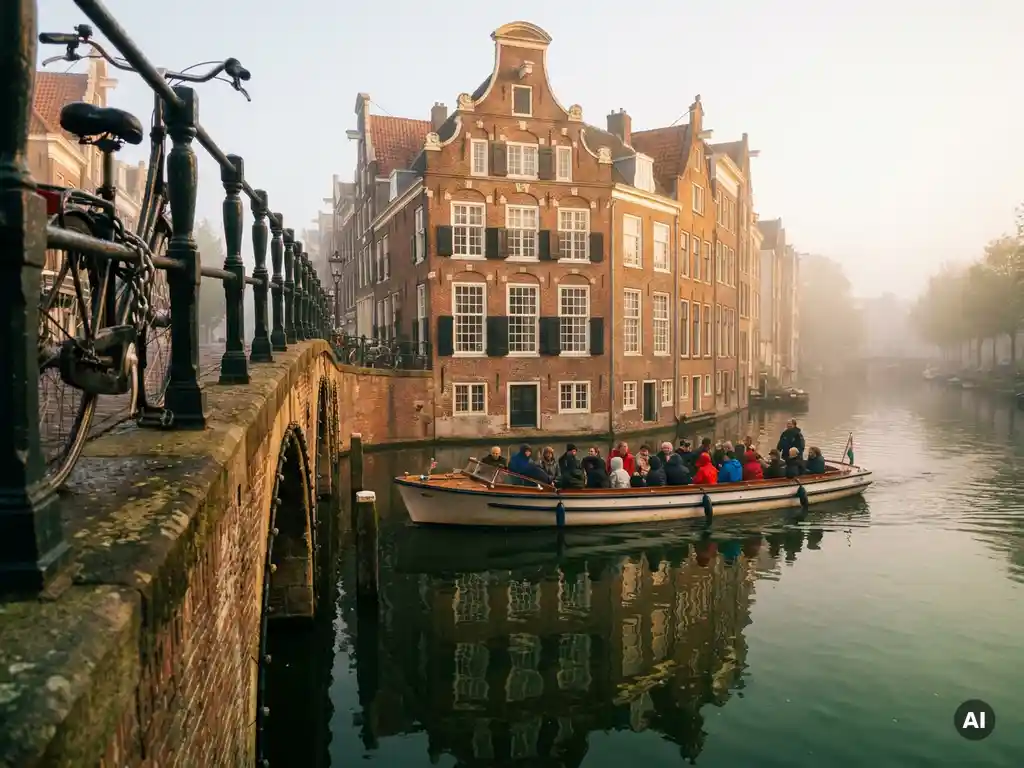
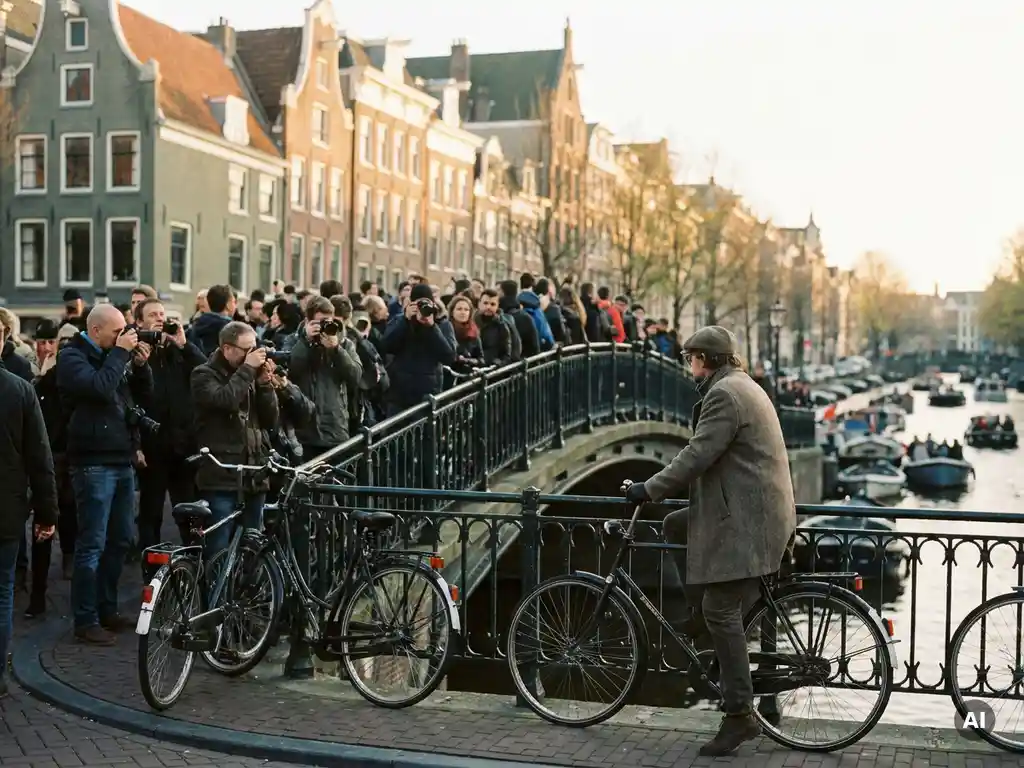
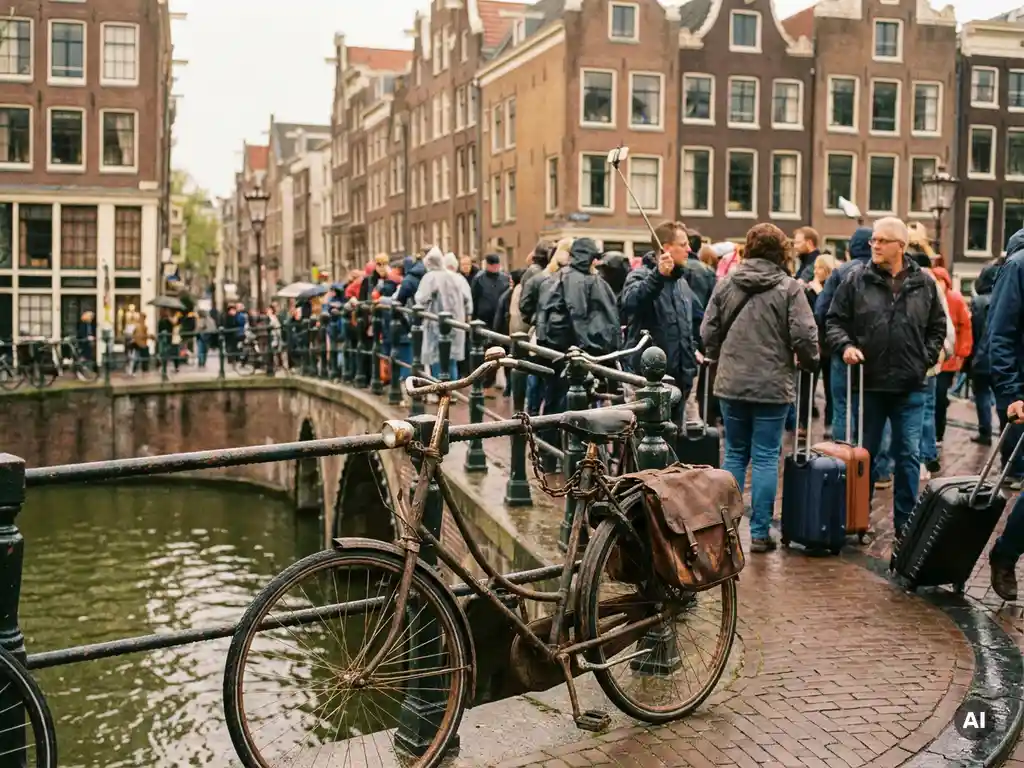
    Amsterdam’s tourist limits are having some effect, but the overall impact is modest at best. The city has introduced a range of measures, from cruise ship bans to short-stay rental restrictions, and visitor pressure in certain areas has eased. But total tourist numbers remain stubbornly high, and anyone walking through the Jordaan on a Saturday afternoon will tell you the same thing: it doesn’t feel like it’s working.

    The honest answer is that limiting tourists in one of Europe’s most beloved and accessible cities is genuinely difficult. Geography, economics, and human desire all push back hard against policy. Here’s a closer look at what Amsterdam has actually tried, what the results show, and what locals make of it all.

    What measures has Amsterdam actually put in place to limit tourists?

    Amsterdam has introduced several concrete policies aimed at reducing tourist pressure, particularly in the historic city centre. The most significant include a ban on new cruise ship terminals in the city centre, restrictions on Airbnb-style short-stay rentals (capped at 30 nights per year in most areas), a ban on new tourist shops in certain streets, and the closure of the city centre to new hotel development. The city has also run high-profile campaigns actively discouraging certain types of visitors, most notably the “Stay Away” campaign targeting young men coming for stag parties and drug tourism.

    Beyond that, Amsterdam has experimented with redirecting visitors to less-visited neighbourhoods and satellite cities like Haarlem and Leiden. The municipality has also invested in better crowd management around hotspots like the Anne Frank House and the Rijksmuseum, and has pushed for more dispersed tourism through marketing that promotes the broader Amsterdam metropolitan region rather than just the canal belt.

    These are real, concrete steps. The political will is there, at least on paper. But policy and reality have a complicated relationship in Amsterdam.

    Are Amsterdam’s tourist limits actually reducing visitor numbers?

    Not in any dramatic way. Despite the measures introduced over recent years, Amsterdam continues to attract many millions of visitors annually, and the city centre remains intensely crowded during peak seasons. Some specific interventions have shown results, the short-stay rental cap has reduced the number of tourist apartments in residential neighbourhoods, and the cruise ship restrictions have meaningfully cut the number of day-trippers arriving by water. But overall visitor numbers have not fallen significantly.

    Part of the reason is that Amsterdam is not operating in a vacuum. Global travel demand keeps rising, flight connections keep multiplying, and the city’s cultural reputation only grows. Reducing the type of tourist causing the most harm is achievable. Reducing the total number of tourists is a much harder problem to solve through local policy alone.

    The city has had more success shifting where tourists go than reducing how many come. Encouraging visitors to explore Noord, Oost, or the harbour areas has helped distribute foot traffic more evenly. But for residents in the Grachtengordel, Leidseplein, or the Red Light District, the daily reality has not changed much.

    Why is it so hard to keep tourists out of Amsterdam?

    Amsterdam is almost impossibly easy to reach and almost impossible to resist. It sits at the centre of Europe’s rail and air networks, with Schiphol connecting the city to virtually every major destination on the planet. It is compact, walkable, visually stunning, and culturally rich. The very qualities that make Amsterdam a wonderful place to live are the same qualities that make it irresistible to visit. No amount of policy can fully counter that magnetic pull.

    There is also a structural economic tension at work. Tourism generates enormous revenue for Amsterdam’s hotels, restaurants, museums, and cultural institutions. Many of the businesses that most vocally benefit from tourism also have political and economic influence. Truly aggressive demand-reduction measures would hurt the city’s economy in ways that are politically difficult to absorb, even if those same measures would benefit residents enormously in the long run.

    And then there is the Schengen reality. Amsterdam cannot build a wall. It cannot require visas for EU visitors. It cannot meaningfully restrict access to a city that is, by design, open. The tools available to local government are blunt instruments in the face of market forces operating at a continental scale. The Amsterdam perspective on this is well-earned: the city has been dealing with waves of visitors since the Golden Age. Managing that is baked into the DNA of the place. But managing it has never felt quite as urgent as it does now.

    What do Amsterdam residents actually think about tourist limits?

    Most Amsterdam residents support tourist limits in principle, but many are sceptical about whether the measures go far enough or are enforced seriously. The frustration is real and widespread: housing prices inflated partly by short-stay rental speculation, neighbourhoods hollowed out by tourist-facing businesses, streets that feel more like theme parks than places to actually live. Support for tougher action is broad, cutting across political lines and neighbourhoods.

    At the same time, residents are not monolithic. Many Amsterdammers work in tourism-adjacent industries and feel the economic stakes personally. Others have grown genuinely fond of the international energy the city attracts. And plenty of long-term residents, including those who arrived from elsewhere, as many Amsterdammers did, are aware of the irony of pulling up the drawbridge too aggressively.

    What most residents seem to want is not a tourist-free Amsterdam, but a liveable Amsterdam that happens to welcome visitors on its own terms. The current balance feels off. The “Stay Away” campaign was widely applauded by locals not because residents want isolation, but because it signalled that the city finally had a preference about who came and why. That felt like progress, even if the results were limited.

    How Klagen Niet Klagen helps you make sense of Amsterdam

    Overtourism in Amsterdam is not a simple problem, and it deserves more than simple takes. At Klagen Niet Klagen, that is exactly what you get: honest, informed, opinionated commentary on Amsterdam life written by someone who has lived and built here for over thirty years.

    • Long-form essays that go beyond the headlines and dig into what is actually happening in the city
    • A perspective shaped by decades of experience in Amsterdam’s creative and entrepreneurial scene
    • The classic Klagen / Niet Klagen lens: what is genuinely broken, and what is still worth celebrating
    • English-language commentary written for expats, international visitors, and globally minded Dutch readers

    If you want to understand Amsterdam rather than just visit it, explore the blog archive and find the conversation you have been looking for.

    And while you are thinking about Amsterdam at its best, creative, sharp, funny, and unapologetically itself, that is exactly what Boom Chicago has been delivering since 1993. If you want to experience the city’s comedic soul live on stage, check out the shows and agenda and come see what Amsterdam’s most beloved comedy institution has on. It is the antidote to everything that overtourism has made generic about this city.

    Frequently Asked Questions

    Could Amsterdam introduce a tourist tax or entry fee to reduce visitor numbers?

    Amsterdam already levies a tourist tax (toeristenbelasting) on overnight stays, and it has been raised several times in recent years — it is now among the highest in Europe. A direct entry fee for the city centre is legally and politically much harder to implement, particularly for EU citizens under Schengen rules. Some urban planners argue that a congestion-style pricing model for the most overcrowded areas could help, but no serious proposal along those lines has moved forward yet. For now, the tourist tax remains more of a revenue tool than a genuine demand-reduction mechanism.

    What have other European cities done about overtourism, and could those approaches work in Amsterdam?

    Cities like Venice, Barcelona, and Dubrovnik have all experimented with overtourism measures, from day-tripper fees and cruise ship bans to short-term rental crackdowns and tourist flow controls at specific sites. Amsterdam has actually borrowed from several of these playbooks, particularly on short-stay rentals and cruise restrictions. The honest takeaway from across Europe is that no single city has cracked it — partial wins in specific areas are common, but reversing overall visitor growth through local policy alone has not been achieved anywhere at scale. Amsterdam is not behind the curve; it is running into the same structural wall as everyone else.

    Is there anything tourists themselves can do to be less of a burden on the city?

    Quite a lot, actually. Visiting outside peak season, staying longer rather than doing a rushed day trip, choosing accommodation outside the canal belt, spending money at locally owned businesses rather than international chains, and exploring neighbourhoods like Noord, Oost, or De Pijp instead of clustering around the Rijksmuseum all make a genuine difference at the margins. The biggest single shift would be for visitors to think of Amsterdam as a city people actually live in, not a theme park to be consumed. That mindset change sounds small, but it shapes every decision a tourist makes from the moment they arrive.
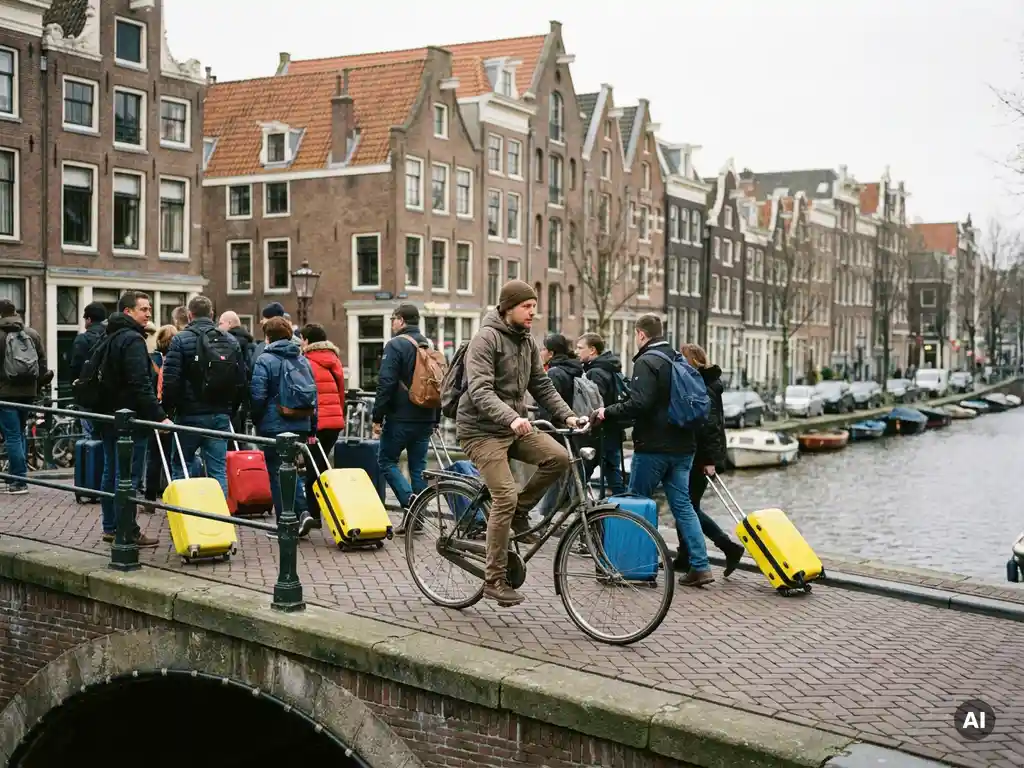
  • How is Amsterdam spreading tourists beyond the city center?

    How is Amsterdam spreading tourists beyond the city center?

    Amsterdam is actively spreading tourists beyond the city center by promoting neighborhoods like the Jordaan, De Pijp, Amsterdam Noord, and the eastern docklands as destinations in their own right. The city uses a combination of marketing campaigns, event programming, and infrastructure nudges to redirect foot traffic. Below, we dig into what is actually working, what is not, and what residents think about all of it.

    Which Amsterdam neighborhoods are being promoted to tourists?

    The neighborhoods receiving the most active promotion as alternatives to the overcrowded center include Amsterdam Noord, De Pijp, the eastern harbor islands, Westerpark, and parts of the Jordaan and Oud-West that sit just beyond the tourist bull’s-eye. These areas offer genuine culture, independent food scenes, and local character without the selfie-stick density of Damrak.

    Amsterdam Noord has been the star pupil of this strategy. The free ferry ride across the IJ is already a minor adventure, and the area around the NDSM wharf and the EYE Film Institute gives visitors something genuinely interesting to do. De Pijp, long beloved by expats and locals alike, has also been positioned as a livelier, more authentic alternative to the museum quarter crowds. The Albert Cuyp market is a real market, not a tourist performance.

    The eastern docklands, including Borneo-Sporenburg and the Java Island area, offer striking modern architecture that most visitors never see. The city has quietly invested in wayfinding and cycling infrastructure to make these areas easier to reach without a guide. The pitch is simple: the center is Amsterdam’s past, but these neighborhoods are its present.

    What tools is Amsterdam using to redirect tourist flows?

    Amsterdam uses a combination of targeted marketing campaigns, event programming outside the center, hotel licensing restrictions, and physical infrastructure to push tourist flows toward less-visited areas. The city has also leaned on digital tools, including its official tourism platform, to highlight neighborhoods and experiences that do not appear in the standard tourist itinerary.

    One of the most direct tools has been the restriction of new hotel licenses in the historic center. If visitors cannot sleep in the center, they explore where they stay. The city has also used large-scale events, festivals, and cultural programming in peripheral neighborhoods to draw crowds outward naturally rather than through instruction.

    The Enjoy and Respect campaign and its successors have attempted a softer approach, framing dispersal as an invitation rather than a crowd-control measure. Whether tourists respond to a friendly nudge or simply follow the path of least resistance is a fair question. The evidence suggests the latter. When a neighborhood has a great coffee shop, an interesting museum, and easy cycling access, people go there. When it just has a brochure, they stay on Leidseplein.

    Does spreading tourists actually reduce pressure on the city center?

    Spreading tourists to other neighborhoods reduces visible crowding in specific spots, but it does not meaningfully reduce the total number of visitors or the overall pressure on Amsterdam as a city. The center remains the center. Dispersal strategies work at the margins, not at the core of the overtourism problem.

    The honest answer is that dispersal is a management tool, not a solution. If ten million people visit Amsterdam in a year, redirecting two million of them toward Noord or De Pijp makes those neighborhoods busier without making the Rijksmuseum queue shorter. The pressure simply moves. Locals in previously quiet neighborhoods start to notice the change, and the cycle begins again.

    There is also a self-defeating quality to promotion-based dispersal. The moment a neighborhood is successfully marketed as “the real Amsterdam,” it attracts the same tourist infrastructure it was supposed to escape: Airbnb listings, souvenir shops, and crowds. De Pijp is already well into this process. Noord is watching it happen in real time.

    Genuine relief for the city center would require either reducing the total volume of visitors or making the center less hospitable to mass tourism, which is a far more politically difficult conversation to have.

    What do Amsterdam residents think about tourist dispersal plans?

    Amsterdam residents are largely skeptical of dispersal strategies, not because they dislike the idea of spreading visitors around, but because they have seen the pattern repeat: a quiet neighborhood gets promoted, becomes popular, and then loses the qualities that made it worth promoting in the first place. Many residents feel the city is managing tourism rather than confronting it.

    Expats and long-term internationals, who often live in the neighborhoods being promoted, have a particularly sharp view of this. They moved to De Pijp or Noord precisely because those areas felt less like a theme park. Watching the tourist apparatus follow them is frustrating. The sentiment is not anti-visitor. It is pro-city.

    Dutch residents, meanwhile, tend to frame the debate around housing, noise, and the erosion of neighborhood character. The tension between welcoming visitors and protecting livability is not new, but it has sharpened as the city has grown more expensive and more crowded simultaneously. Dispersal plans are seen by many as a way of appearing to act without making the harder choices about cruise ship limits, Airbnb caps, or visitor taxes that would actually change the numbers.

    There is genuine appreciation for efforts that invest in peripheral neighborhoods, improve infrastructure, and make Noord or the eastern harbor islands more accessible. But residents are quick to distinguish between improving the city for everyone and simply routing tourist congestion through their front door.

    How Klagen Niet Klagen helps you understand Amsterdam beyond the brochure

    If you have made it this far, you already know that the real Amsterdam conversation is more complicated than any tourism campaign will tell you. That is exactly what Klagen Niet Klagen is here for. Written from inside the city’s creative and entrepreneurial scene, the blog offers the kind of honest, long-form commentary on Amsterdam life that tourist guides and PR agencies cannot produce.

    • Insider perspective on city policy, neighborhood change, and the tensions that shape daily life in Amsterdam
    • English-language commentary written for people who actually live here or want to understand the city at a deeper level
    • No tourism board influence, no advertorial softening, just a genuine point of view built on over three decades of Amsterdam experience
    • A consistent editorial voice that cuts through the noise of listicles and polished travel content

    If you want more of this, explore the full blog archive and find essays on everything from Dutch cultural norms to the politics of the city’s transformation. The conversation about overtourism in Amsterdam is far from over, and Klagen Niet Klagen will keep having it honestly.

    And if you want to experience Amsterdam’s creative energy in person, Boom Chicago has been doing exactly that since 1993. Sharp comedy, improvisation, and a stage that has launched careers and made thousands of Amsterdammers and visitors laugh at the city they love. Check out the current shows and agenda and come see what happens when you stop managing the crowd and just perform for it.

    Frequently Asked Questions

    Which Amsterdam neighborhood should I visit first if I want to avoid the tourist crowds?

    Amsterdam Noord is the strongest starting point — the free ferry from Centraal Station takes under five minutes and immediately puts you somewhere that feels genuinely different. The NDSM wharf and EYE Film Institute give you real cultural substance, not just a quieter version of the same canal photos. If you prefer staying on the south side of the IJ, De Pijp around the Albert Cuyp market on a weekday morning comes closest to the lived-in Amsterdam experience without requiring any planning effort.

    Is it true that once a neighborhood gets promoted as 'the real Amsterdam,' it stops being that?

    Yes, and it happens faster than most people expect. De Pijp is the clearest current example — it was marketed as an authentic alternative to the museum quarter, and it now has the Airbnb density, souvenir-adjacent shops, and weekend crowd levels to prove the strategy worked too well. Noord is at an earlier stage of the same process, and residents there are watching the tourist infrastructure arrive in real time. The pattern is consistent enough that ‘authentic neighborhood’ in a tourism campaign is almost a leading indicator of what that neighborhood is about to lose.

    What would actually reduce overtourism in Amsterdam, if dispersal strategies only move the problem around?

    The measures most likely to reduce total visitor pressure are also the most politically difficult: meaningful caps on cruise ship arrivals, stricter and better-enforced Airbnb limits, higher visitor taxes applied at scale, and restrictions on the cheapest short-haul flights into Schiphol. Dispersal strategies are appealing to city governments precisely because they do not require any of those fights — they reframe crowd management as a marketing opportunity. Real reduction in pressure means reducing the total number of visitors, which means turning some of them away or making the trip less frictionless, and no tourism-dependent economy finds that easy to commit to.

  • Why is there tension between tourists and residents in Amsterdam?

    Why is there tension between tourists and residents in Amsterdam?

    The tension between tourists and residents in Amsterdam comes down to one fundamental imbalance: the city’s infrastructure, housing, and public spaces were built for roughly 900,000 people, but they now absorb tens of millions of visitor arrivals every year. Residents bear the daily costs of that imbalance – the noise, the crowds, the rising rents – while the economic benefits flow elsewhere. The questions below unpack exactly how that tension developed, why it runs so deep, and whether anything can actually fix it.

    How has Amsterdam’s tourism growth changed daily life for residents?

    Amsterdam’s tourism growth has fundamentally altered everyday life for residents by driving up housing costs, crowding public spaces, and reshaping entire neighbourhoods around visitor needs rather than local ones. Streets that were once functional, lived-in parts of the city have been converted into tourist corridors, where souvenir shops and short-stay rentals have replaced the butchers, pharmacies, and community spaces that residents actually rely on.

    The housing market tells the clearest story. Short-term rental platforms turned thousands of Amsterdam apartments into de facto hotel rooms, removing them from the long-term housing stock at a moment when the city was already facing a severe shortage. Residents found themselves priced out of their own neighbourhoods, competing for a shrinking pool of available homes against the financial logic of tourist accommodation.

    Beyond housing, the sheer volume of foot traffic has changed the texture of daily life. Cycling through the centre, buying groceries, or simply walking to work now means navigating crowds that treat the city as a backdrop rather than a home. For residents, Amsterdam stopped feeling like theirs – and that loss is not abstract. It is felt every single day.

    Why do Amsterdam residents feel so strongly about tourist behaviour?

    Amsterdam residents feel strongly about tourist behaviour because the worst of it is not just inconsiderate – it is concentrated in the same streets, canals, and squares where people are trying to live normal lives. Noise late at night, public drinking, littering, and the general treatment of the city as a consequence-free playground are not occasional irritations. For many residents, they are a constant background condition.

    There is also a deeper frustration at work. Amsterdam has a specific identity – a city built on tolerance, civic culture, and a certain quiet pride in doing things properly. The version of Amsterdam that attracts the loudest and least considerate visitors is often a caricature of that identity: the red-light district, the coffee shops, the canal boat parties. Residents watch their city’s reputation get flattened into a party destination and feel powerless to correct the narrative.

    It is worth being honest here: not all tourists behave badly, and most residents understand that. The frustration is not really about individuals – it is about scale. When millions of people pass through a city of under a million residents, even a small percentage of disruptive behaviour adds up to something that genuinely degrades quality of life.

    What has the Amsterdam city council done to reduce tourism tension?

    The Amsterdam city council has introduced a range of measures designed to reduce the tension between tourists and residents, including stricter short-term rental rules, a ban on new tourist shops in certain areas, limits on cruise ship arrivals, and a significant increase in the tourist tax. The city has also run campaigns explicitly telling certain types of visitors – particularly those coming for stag parties or drug tourism – that they are not welcome.

    The short-term rental restrictions have been among the most consequential. The city capped the number of nights a property can be rented to tourists per year and tightened enforcement considerably. This returned some apartments to the long-term housing market, though the effect has been modest relative to the scale of the problem.

    The tourist tax increase was another significant lever. Amsterdam now charges one of the highest tourist taxes in Europe, with the explicit goal of both generating revenue and making the city slightly less attractive to budget visitors who contribute little and cause disproportionate disruption. Whether pricing out lower-budget tourists is the right approach is a genuine ethical debate – but the direction of policy is clear.

    What the city has not done is fundamentally restructure the economic incentives that make mass tourism so profitable for some and so costly for others. That would require a more radical political conversation than Amsterdam has been willing to have.

    Will the tension between tourists and Amsterdam residents ever be resolved?

    The tension between tourists and Amsterdam residents is unlikely to be fully resolved, but it can be meaningfully managed. The honest answer is that Amsterdam is one of the most visited cities in the world relative to its size, and that fundamental fact creates structural pressures that no policy can entirely eliminate. What cities can do is shift the balance – making tourism less extractive, more regulated, and more accountable to the people who actually live there.

    Progress is possible, and Amsterdam has made some. The measures introduced over recent years have slowed the growth of short-term rentals, reduced some of the most disruptive visitor flows, and signalled that the city takes resident quality of life seriously. That matters, even if the results are incremental.

    The deeper question is whether Amsterdam wants to remain a city where people build lives, or whether it gradually becomes a theme park that happens to have residents in it. That is not a dramatic exaggeration – it is a trajectory that several European cities have already followed further than Amsterdam has. The tension will ease when the city’s economic model stops treating tourism as an unconditional good and starts measuring it against what it actually costs the people who live there.

    How Klagen Niet Klagen helps you make sense of Amsterdam

    The tourist-resident tension is one of the defining stories of modern Amsterdam – and it is one that mainstream tourism content almost never tells honestly. Klagen Niet Klagen exists precisely to fill that gap: sharp, independent, English-language commentary on Amsterdam from someone who has lived and built here for over three decades.

    • Honest takes on city life that go well beyond what any tourism board would publish
    • Long-form essays and opinion pieces written from genuine insider experience
    • Coverage of the contradictions, frustrations, and pleasures of Amsterdam that residents actually recognise
    • A consistent editorial voice – not anonymous, not advertorial, not afraid to say the uncomfortable thing

    If you want Amsterdam commentary that treats you as an intelligent adult, find out more about the blog and what drives it – or get in touch directly via the contact page.

    And if you want to experience Amsterdam’s creative side in person, Boom Chicago has been doing exactly that since 1993 – sharp, funny, and rooted in the city in a way that no tourist trap can replicate. It is the kind of evening that reminds you why Amsterdam is worth caring about in the first place.

    Frequently Asked Questions

    Is it still worth visiting Amsterdam as a tourist, given the tension with residents?

    Yes — but the kind of visit matters enormously. Tourists who engage with Amsterdam as a living city rather than a party destination are part of the solution, not the problem. That means staying in hotels rather than short-term rentals, spending money in locally-owned businesses, visiting neighbourhoods beyond the historic centre, and treating public spaces with the same consideration you would expect at home. The tension is not between Amsterdam and tourists broadly — it is between the city and a specific extractive model of mass tourism.

    What are the most common mistakes tourists make that frustrate Amsterdam residents?

    The most friction-generating behaviours tend to cluster around a few specific patterns: late-night noise in residential streets, treating canals and public spaces as party venues, renting canal houses or apartments on short-term platforms rather than hotels, and navigating the city in large slow-moving groups that block cycle lanes and pavements. None of these require dramatic effort to avoid — they mostly come down to being aware that you are moving through someone else’s everyday environment, not a set designed for your entertainment.

    How can I find out which Amsterdam neighbourhoods are least affected by overtourism?

    The most tourist-saturated areas are concentrated in and around the historic centre — the Jordaan, the Red Light District, the canal belt, and Leidseplein. Neighbourhoods like De Pijp, Oud-West, Noord, and Oost have far more of a genuine local character, better everyday amenities, and a visitor-to-resident ratio that does not make you feel like you are attending an event rather than visiting a city. Spending time — and money — in these areas is one of the most practical ways to distribute the economic benefits of tourism more fairly.

  • What are the new nightlife hotspots after covid?

    What are the new nightlife hotspots after covid?

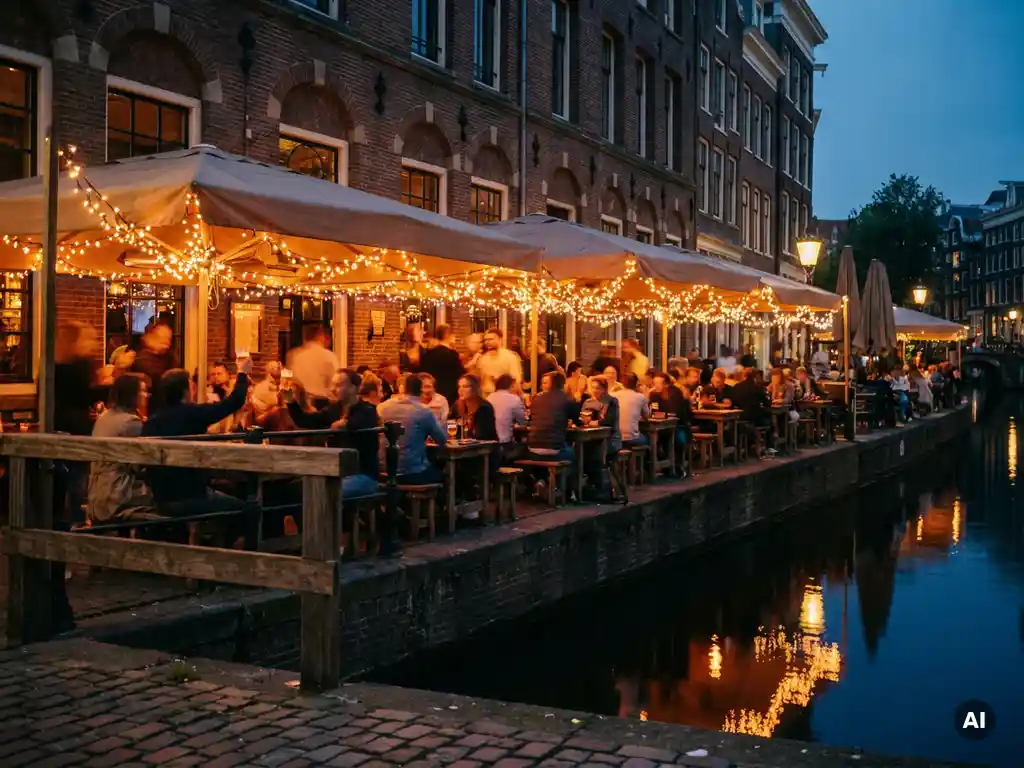
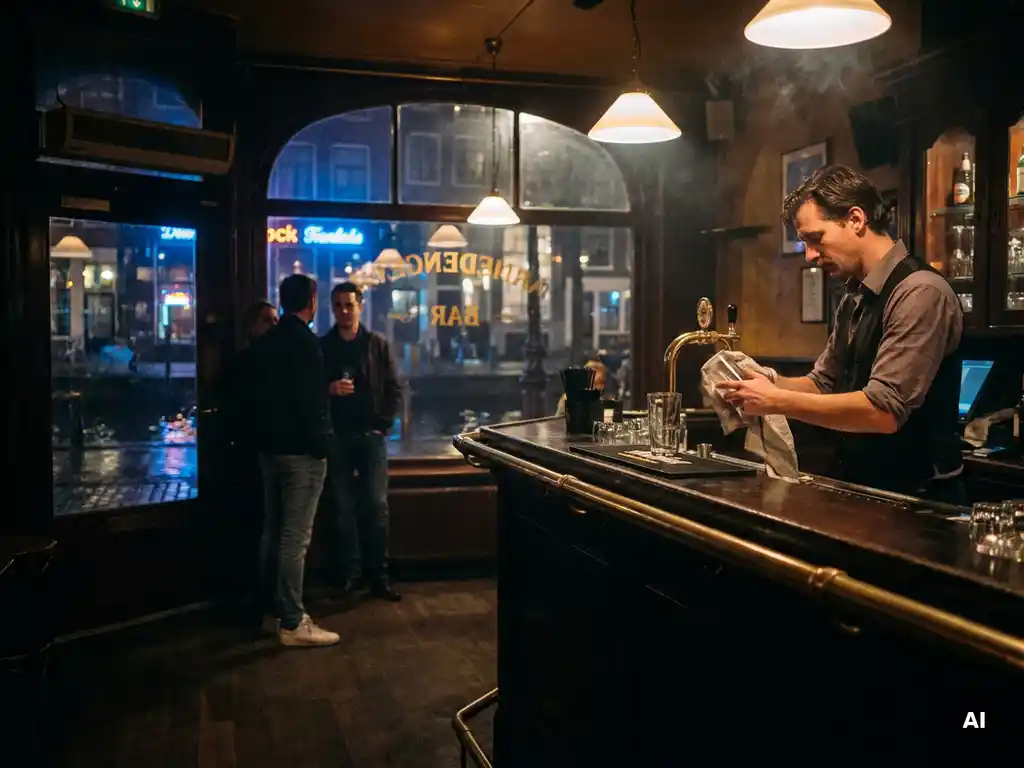
    Amsterdam’s nightlife after covid has genuinely shifted, and in ways that go beyond simply replacing what was lost. The scene that emerged from the pandemic is more diverse, more neighbourhood-driven, and arguably more interesting than what existed before 2020. Some of the old club culture is gone for good, but what replaced it tells you a lot about how Amsterdam has changed as a city.

    Which Amsterdam neighbourhoods have the best nightlife now?

    The best nightlife in Amsterdam after covid is concentrated in Noord, De Pijp, and the emerging creative pockets of Oost. The old centre and Leidseplein still exist, but serious night owls have largely moved on. The energy and authenticity now live across the IJ and in the neighbourhoods where locals actually live.

    Noord deserves the most attention. What was once an industrial backwater has become the city’s most exciting cultural district, with venues like NDSM Wharf continuing to host club nights, art events, and pop-up experiences in spaces that feel genuinely raw. The free ferry from Centraal Station makes it accessible without making it overrun.

    De Pijp has matured from a bar-hopping neighbourhood into something with more texture. Natural wine bars, late-night cocktail spots, and intimate live music venues have replaced the rowdier student bars that defined it a decade ago. The crowd is older, the drinks are better, and the conversations are more interesting.

    Oost, particularly around Javaplein and Dappermarkt, is where a lot of Amsterdam’s more adventurous nightlife energy has settled. It is less polished than De Pijp and more genuinely mixed in terms of who shows up. That mix is exactly what makes it worth your time.

    What types of venues replaced the clubs that closed during covid?

    The venues that replaced closed Amsterdam clubs after covid fall into three broad categories: smaller music-focused bars, cultural hybrid spaces, and outdoor or temporary event formats. The era of the large, anonymous techno club has given way to venues with a clearer identity and a more intentional atmosphere.

    Smaller music bars have proliferated across the city. These are places with a proper sound system and a real programming philosophy, but a capacity of two or three hundred rather than a thousand. They feel more like venues where the music matters than warehouses where the experience is about volume and numbers.

    Cultural hybrids are perhaps the most interesting development. Spaces that function as a gallery, a cinema, or a community centre by day shift into nightlife venues by evening. This dual-use model made financial sense during a period of uncertainty, and it turned out to create genuinely better atmospheres. People who are there for the culture tend to be more engaged than people who are simply there to queue.

    Outdoor and temporary formats also exploded in popularity. Canal-side events, rooftop parties, and pop-up nights in unexpected locations became a fixture of Amsterdam summers during and after the pandemic. Some of these have now become semi-permanent fixtures on the city’s cultural calendar.

    Why did some Amsterdam clubs never reopen after covid?

    Many Amsterdam clubs never reopened after covid because the financial model was already fragile before the pandemic hit. Two years of zero revenue exposed structural weaknesses that had been masked by good years. When venues calculated the cost of reopening against the realistic revenue they could generate, many owners made the rational decision to walk away.

    Amsterdam’s property market played a significant role. Landlords who had been patient during the lockdowns saw an opportunity to convert club spaces into residential or office use when leases came up for renewal. The city’s chronic housing shortage made this an economically obvious move, and planning regulations did not always stand in the way.

    Staffing was another genuine barrier. The hospitality industry lost a generation of experienced workers during covid, many of whom found other careers and did not return. Reopening a club requires a reliable team of bartenders, security staff, and sound technicians, and that labour market had fundamentally changed.

    Finally, some venues simply read the cultural moment correctly and concluded that their time had passed. The appetite for a certain kind of anonymous, high-capacity club experience had genuinely declined. Owners who were honest with themselves about this made a clean exit rather than trying to revive something the city had moved on from.

    How has the Amsterdam nightlife crowd changed since covid?

    The Amsterdam nightlife crowd after covid is older, more selective, and more willing to pay for quality over quantity. The shift is not dramatic, but it is consistent across venues and neighbourhoods. People go out less frequently but with more intention, and they tend to stay loyal to places that reward that intention with a genuinely good experience.

    The international character of the crowd has also shifted. Amsterdam’s expat population has grown significantly since 2020, and that is reflected in who shows up at bars and venues across the city. English is now the default language in a wider range of nightlife settings than it was before the pandemic, which changes the social texture of an evening out in ways that are hard to quantify but easy to feel.

    There is also a noticeable appetite for experiences that combine nightlife with something else. People want to see a live set, attend a talk, or visit an exhibition before the dancing starts. The crowd that emerged from covid is not content with a venue that offers only a dancefloor and a bar. They want a reason to be there beyond the obvious ones.

    How Klagen Niet Klagen helps you navigate Amsterdam nightlife

    Klagen Niet Klagen is an Amsterdam city blog written by someone who has been part of this city’s creative and nightlife scene for over thirty years. That perspective matters when the landscape keeps shifting. Here is what the blog offers:

    • Honest, insider commentary on Amsterdam neighbourhoods and how they are actually changing, not how the tourism board wants you to see them
    • Long-form essays that go beyond the obvious and explore the cultural and social forces shaping the city’s nightlife
    • A consistent editorial voice free from advertorial pressure or venue sponsorship
    • Nuanced takes on what has genuinely improved in Amsterdam and what has been lost, written from a position of real skin in the game
    • Content aimed at expats, culturally curious visitors, and internationally minded Amsterdammers who want more than a top-ten list

    If you want to understand Amsterdam nightlife rather than just consume it, read more about the blog and explore the archive for essays that put the current moment in proper context.

    And if you want to experience Amsterdam’s creative energy live and in person, Boom Chicago has been doing exactly that since 1993. The comedy institution that helped shape the city’s English-language cultural scene runs shows year-round, and an evening there gives you a feel for Amsterdam’s wit and irreverence that no nightlife guide can replicate. It is the kind of night out that actually gives you something to talk about the next morning.

    Frequently Asked Questions

    What's the best way to find out about one-off events and pop-up nights in Amsterdam without relying on mainstream listings?

    The most reliable approach is to follow the social media accounts of venues you already trust, since Amsterdam’s pop-up and temporary event scene is largely announced through Instagram and word of mouth rather than centralised listings platforms. Neighbourhood-specific Telegram groups and local city blogs like Klagen Niet Klagen are also worth bookmarking, as they tend to surface events that never make it onto the tourist-facing apps. Getting plugged into a few regular mailing lists from Noord or Oost venues will do more for your nightlife calendar than any generic city guide.

    Is Amsterdam nightlife still worth exploring as a visitor, or has it become too expat-dominated and lost its local character?

    Amsterdam nightlife is absolutely still worth exploring as a visitor, but the experience you get depends almost entirely on where you go. Sticking to Leidseplein or the centre will give you a heavily tourist-facing version of the city that locals have largely abandoned. Crossing the IJ to Noord, or spending an evening working through the bars around Javaplein in Oost, puts you in spaces where the crowd is genuinely mixed and the atmosphere is shaped by people who actually live there. The local character has not disappeared — it has just moved, and finding it requires a bit more deliberate navigation than it did before.

    What are the most common mistakes people make when planning a night out in Amsterdam for the first time?

    The biggest mistake is concentrating everything around the centre and assuming that proximity to the main tourist landmarks equals quality nightlife — it almost never does in Amsterdam. A close second is underestimating how neighbourhood-specific the city’s nightlife has become; what works in De Pijp is a completely different experience from what you will find in Noord, and treating them as interchangeable wastes an evening. Finally, many first-time visitors overlook earlier programming like live sets, talks, or gallery openings that happen before midnight, which are often the most interesting part of a night at Amsterdam’s better cultural hybrid venues.

  • What solutions is Amsterdam trying for overtourism?

    What solutions is Amsterdam trying for overtourism?

    Amsterdam is trying several solutions to overtourism, including a raised tourist tax, cruise ship restrictions, a ban on new hotels in the city centre, and limits on short-term rentals like Airbnb. These measures have had mixed results. The city faces a structural tension: Amsterdam’s economy depends heavily on tourism, which makes aggressive action politically and financially difficult. Below, each of the main questions around overtourism solutions in Amsterdam gets a direct answer.

    Which overtourism measures has Amsterdam actually implemented?

    Amsterdam has implemented a range of concrete overtourism measures, including one of the highest tourist taxes in Europe, a moratorium on new hotels in the city centre, stricter limits on short-term holiday rentals, and the relocation of cruise ship terminals away from the historic core. These are real, enacted policies, not proposals.

    The short-term rental rules are among the most visible changes. Platforms like Airbnb are now restricted to a maximum of 30 nights per year per property in most parts of the city, down from 60. Enforcement remains patchy, but the intent is clear: keep housing stock available for residents rather than tourists.

    The cruise ship situation has also shifted. The main cruise terminal near Centraal Station has been closed to large ships, redirecting vessels to a terminal further from the historic centre. The city has also actively discouraged the stag party and budget tourism market through targeted campaigns, at one point running ads in the UK explicitly telling certain types of visitors they were not welcome.

    On top of this, Amsterdam has banned new tourist shops, souvenir stores, and certain categories of hospitality businesses from opening in already saturated neighbourhoods. The goal is to prevent the centre from hollowing out further into a theme park of stroopwafels and cannabis cafés.

    How does Amsterdam’s tourist tax compare to other European cities?

    Amsterdam has one of the highest tourist taxes in Europe. As of 2026, visitors pay a city tax of 12.5% on their accommodation costs, plus an additional fee per night. This places Amsterdam significantly above cities like Paris, Berlin, and Barcelona, which generally charge flat fees of a few euros per night rather than a percentage of the room rate.

    The percentage-based model means that a guest staying in a luxury hotel pays substantially more than someone in a budget hostel, which is a more progressive approach than a flat fee. In theory, this discourages high-spend, low-contribution tourism less than it discourages budget visitors, though critics point out that it does not reduce visitor numbers in any meaningful way. People who want to come to Amsterdam still come. They just pay a bit more when they arrive.

    The revenue generated goes into the city’s general budget, not into a dedicated fund for managing tourism’s impact on infrastructure or neighbourhoods. That gap between income and investment is one of the recurring frustrations for residents who live with the consequences of overtourism every day.

    Why is it so hard to reduce tourist numbers in Amsterdam?

    Reducing tourist numbers in Amsterdam is structurally difficult because tourism is deeply embedded in the city’s economy, its international identity, and its transport infrastructure. Amsterdam Schiphol is one of Europe’s major aviation hubs, which means the city is almost unavoidably on the itinerary for millions of travellers passing through Europe.

    The economic dependency is real. Hotels, restaurants, museums, bike rental shops, and a significant portion of the retail sector all rely on tourist spending. Any serious reduction in visitor numbers would hit jobs and tax revenues immediately. Politicians face a genuine dilemma: the people most harmed by overtourism (residents) are not the same people who benefit most financially from it (businesses and property owners), and the latter group tends to have more political leverage.

    There is also a coordination problem. Amsterdam cannot control how many flights land at Schiphol, how aggressively Dutch tourism boards market the country internationally, or what other European cities do with their own visitor policies. If Amsterdam becomes noticeably harder or more expensive to visit, some tourists simply go to Rotterdam or Utrecht for a day instead, which helps Amsterdam residents very little.

    Finally, the city’s compactness works against it. The historic centre is small, walkable, and visually iconic. That concentration of beauty and history in a tight geographic area means that even a modest number of tourists can feel overwhelming in specific streets and squares.

    What could Amsterdam realistically do differently?

    Realistically, Amsterdam could do more to redistribute tourists across time and space, invest tourist tax revenue directly into affected neighbourhoods, and set harder caps on accommodation capacity. None of these are radical ideas, but all of them face political or practical resistance that has so far prevented serious implementation.

    Spreading tourists across the city rather than concentrating them in the Jordaan and the Red Light District is a goal Amsterdam has talked about for years. The tools exist: better promotion of outer neighbourhoods, incentives for cultural institutions to open satellite locations further from the centre, and smarter transport design that makes it easier to reach areas like Noord or Oost. Progress has been slow.

    A stricter cap on total accommodation capacity would be a more direct lever. Amsterdam has frozen new hotel development in the centre, but the existing stock is still enormous. Reducing it would require buying out or converting hotels, which is expensive and politically contentious.

    Perhaps the most underused tool is honest communication about what Amsterdam actually is. The city has occasionally run campaigns telling certain tourists they are not welcome, but the overall marketing message from national and regional tourism bodies still presents Amsterdam as an endlessly available, endlessly charming destination. Until that changes at a systemic level, individual city measures will always be fighting upstream.

    How Klagen Niet Klagen covers Amsterdam’s toughest questions

    Overtourism is exactly the kind of topic that mainstream Amsterdam media either avoids or sanitises. Klagen Niet Klagen exists to do the opposite: to take the city’s real contradictions seriously and write about them honestly, with humour and without a tourism board looking over its shoulder.

    • Long-form essays on Amsterdam city life written from genuine insider experience, not a journalistic brief or a sponsored agenda
    • Commentary that names the tensions between residents and tourists, between economic interest and liveability, without pretending there are easy answers
    • A perspective built on over three decades of living and working in Amsterdam, across comedy, entrepreneurship, and public life
    • Content written in English for expats, internationally minded Dutch readers, and curious visitors who want something more than a listicle

    If you want Amsterdam commentary that actually reflects what it feels like to live here, read more about the blog and explore the archive. There is plenty more where this came from.

    And if you want to experience Amsterdam at its sharpest and funniest in person, Boom Chicago has been doing exactly that since 1993. The same instinct that drives this blog, honest, irreverent, deeply Amsterdam, is what fills that stage every week. It is well worth an evening.

    Frequently Asked Questions

    If Amsterdam's measures aren't reducing tourist numbers, what does success actually look like?

    Success for Amsterdam is probably better defined as managing the impact of tourism rather than eliminating it. That means metrics like resident satisfaction, housing availability, and neighbourhood liveability becoming as central to policy evaluation as visitor numbers or tourism revenue. A city can host millions of tourists and still function well for the people who live there — the question is whether the infrastructure, regulation, and investment are designed with residents as the primary stakeholder, not an afterthought.

    Are there European cities that have handled overtourism more effectively than Amsterdam, and what can Amsterdam learn from them?

    Dubrovnik and Venice are often cited as cautionary tales rather than models, but smaller interventions in cities like Ghent and Bruges offer more transferable lessons — both have invested heavily in promoting their wider regions rather than funnelling visitors into a single historic core. Ghent in particular has built a strong local cultural identity that attracts visitors without overwhelming a single neighbourhood. The common thread in more successful cases is early, proactive spatial planning rather than reactive damage control, which is exactly where Amsterdam has historically struggled.

    What can visitors who actually want to be respectful tourists in Amsterdam do differently?

    The most practical steps are also the least glamorous: stay in accommodation outside the historic centre, visit on weekdays rather than weekends, and spend money in neighbourhoods like De Pijp, Noord, or Oost rather than defaulting to the Jordaan and the canal ring. Avoiding the obvious tourist traps isn’t just better for the city — it usually makes for a more interesting trip. Treating Amsterdam as a place where people live rather than a theme park to pass through is a mindset shift that costs nothing and changes everything.

  • Will Amsterdam ever cap the number of tourists?

    Will Amsterdam ever cap the number of tourists?

    Amsterdam is unlikely to cap tourist numbers in any absolute sense, at least not soon. The city has no legal mechanism to simply close its doors, and European free movement rules make hard limits on visitor numbers almost impossible to enforce. What Amsterdam can do is make mass tourism less profitable, less convenient, and less concentrated in the places that can no longer absorb it.

    The tension between welcoming visitors and protecting what makes the city worth visiting is one of Amsterdam’s defining contradictions. Below, we unpack the key questions around overtourism in Amsterdam and what, if anything, the city can realistically do about it.

    Has Amsterdam ever tried to limit tourist numbers?

    Yes, Amsterdam has made repeated attempts to reduce tourist pressure, though none have amounted to a hard cap on visitor numbers. The city has banned new hotels in the historic centre, restricted short-stay rental platforms like Airbnb, and relocated the cruise terminal further from the old city. These are meaningful steps, but they are more about redirecting tourism than reducing it.

    The most visible policy shift has been the city’s decision to stop actively marketing itself as a tourist destination. Amsterdam’s tourism board, ATCB, rebranded its approach around the idea of “donut tourism”, attracting visitors who contribute more and consume less. The city also introduced a higher tourist tax, now among the highest in Europe, partly as a financial deterrent and partly to fund the infrastructure that mass tourism strains.

    What has not happened is a formal ceiling on the number of people allowed to visit. That kind of cap would require legal frameworks that simply do not exist at the municipal level in the Netherlands, and possibly not at the national level either.

    Why is capping tourists so hard to enforce in Amsterdam?

    Capping tourist numbers in Amsterdam is hard to enforce because the city is a public space in a country with open borders and no entry registration system for domestic or EU travellers. You cannot station a bouncer at Amsterdam Centraal and turn people away. Unlike a national park or a ticketed attraction, the city itself has no gate.

    European free movement rules add another layer of complexity. Any EU citizen has the right to travel freely within the Schengen Area, which means Amsterdam cannot legally discriminate between a Dutch day-tripper and a visitor from Berlin or Barcelona. A quota system that applied only to non-EU visitors would be both politically toxic and practically ineffective.

    There is also the economic argument that complicates political will. Tourism generates billions in revenue for Amsterdam’s hospitality, retail, and cultural sectors. The businesses that benefit from high visitor volumes are well organised and politically active. Reducing those numbers, even if desirable for residents, means real economic consequences that elected officials are cautious about owning.

    What tools does Amsterdam actually have to reduce tourist pressure?

    Amsterdam has several practical tools to reduce overtourism pressure, even without a hard cap. These fall broadly into three categories: financial disincentives, spatial management, and product steering.

    • Tourist tax increases: Amsterdam has raised its tourist tax significantly, making the city a more expensive destination and generating funds to manage the impact of tourism.
    • Short-stay rental restrictions: The city has tightened rules on platforms like Airbnb, limiting the number of nights a property can be rented and banning short-stay rentals in certain neighbourhoods entirely.
    • Hotel moratoriums: New hotel construction in the historic centre has been effectively blocked, preventing the accommodation supply from growing further in the most pressured areas.
    • Cruise ship limits: The number of large cruise ships permitted to dock in the city centre has been reduced, with the long-term plan to relocate the terminal away from the historic core entirely.
    • Spreading demand geographically: Campaigns encourage visitors to explore areas outside the canal ring, including neighbourhoods like Noord and Nieuw-West that see far less foot traffic.
    • Seasonal and temporal spreading: Some cultural institutions have experimented with timed entry and off-peak pricing to smooth visitor flows across the day and year.

    None of these tools reduces the total number of tourists visiting Amsterdam in a dramatic way. But together, they can shift the type of visitor the city attracts and reduce the concentration of pressure in the most fragile parts of the city.

    Will Amsterdam cap tourists, or just make them less welcome?

    Amsterdam will almost certainly not cap tourists in any formal sense. What it will do is continue making certain kinds of tourism less attractive, less comfortable, and more expensive, which amounts to a soft cap by other means. The city’s strategy is not to close the door but to change who walks through it and what they find when they arrive.

    The ban on new cannabis cafes for tourists, the crackdown on bachelor parties in the red light district, and the broader push to reframe Amsterdam as a cultural and creative destination rather than a party city are all part of this approach. The goal is to price out and inconvenience the visitors who cause the most harm while remaining open to those who engage with the city more thoughtfully.

    Whether this works depends on factors Amsterdam cannot fully control: global travel patterns, airline routes, the strength of the euro, and the choices of millions of individuals. The city can nudge, it can tax, it can restrict, but it cannot simply decide how many people want to come. That is the fundamental limit of any overtourism strategy that stops short of a hard cap, and it is why the debate in Amsterdam will continue long after any individual policy is introduced.

    How Klagen Niet Klagen covers Amsterdam’s tourism debate

    If you have made it this far, you already know this is not a simple topic with a clean answer. Amsterdam’s struggle with overtourism is exactly the kind of subject that Klagen Niet Klagen was built for: a real city problem, full of contradictions, that deserves more than a press release or a tourism board talking point.

    • Honest, opinionated commentary on Amsterdam city life, written from inside the city, not from a press trip
    • Long-form essays that go beyond the headline and actually examine what is happening and why
    • A perspective shaped by over three decades of living, working, and building something in Amsterdam
    • Coverage that names the tensions other platforms avoid, because there is no advertiser to upset

    If you want more of this, the blog archive is the place to start. And if you have a question, a disagreement, or just want to add something to the conversation, the contact page is always open.

    One more thing. If you want to experience Amsterdam’s contradictions in a completely different format, live, on stage, with a lot of laughter, Boom Chicago has been doing exactly that since 1993. It is improvisational comedy rooted in the city, performed by people who actually live here. Check the shows and agenda and come see what Amsterdam looks like when it stops being polite and starts being honest.

    Frequently Asked Questions

    Could Amsterdam follow Venice's model and charge an entry fee to visit the city?

    Venice’s day-tripper fee is often cited as a potential model for Amsterdam, but the comparison has significant limits. Venice’s fee applies to a lagoon island with clearly defined entry points, making it physically enforceable in a way that Amsterdam, as an open urban grid connected to the national rail and road network, simply is not. Amsterdam could theoretically introduce a city-access levy for certain zones or attractions, but a blanket entry fee for the entire city would face the same legal and logistical barriers as a hard tourist cap.

    What is 'donut tourism' and is it actually working in Amsterdam?

    Donut tourism is the strategy promoted by Amsterdam’s tourism board (ATCB) to attract visitors who stay longer, spend more thoughtfully, and engage with the city beyond its most crowded centre — essentially filling the ‘hole’ of undervisited neighbourhoods and off-peak periods. In practice, results are mixed: neighbourhoods like Noord have seen increased visitor interest, but the canal ring and red light district remain overwhelmingly congested during peak season. The strategy is more of a long-term repositioning effort than a quick fix, and its success depends heavily on whether visitor behaviour actually shifts or whether the marketing simply adds a new layer of tourists on top of existing ones.

    What are the most common mistakes tourists make that contribute to overtourism pressure in Amsterdam?

    The biggest contributors to overtourism pressure are clustering in the same small area — the Jordaan, the Anne Frank House queue, the Rijksmuseum square — at the same times, typically weekend afternoons in summer. Booking through platforms that funnel accommodation back into the historic centre rather than spreading stays across the city also concentrates impact unnecessarily. Visitors who plan even slightly off-peak, choose accommodation in neighbourhoods like De Pijp, Oud-West, or Noord, and avoid the red light district on Friday and Saturday nights will have a meaningfully better experience while placing far less strain on the parts of the city that are already at breaking point.

  • Is getting a hospitality license in Amsterdam harder than it should be?

    Is getting a hospitality license in Amsterdam harder than it should be?

    Yes, getting a hospitality license in Amsterdam is significantly harder than it needs to be. The city’s licensing framework is layered, slow, and often opaque, creating real barriers for entrepreneurs who want to open legitimate, well-run venues. The new hospitality license rules introduced in recent years have added requirements without always adding clarity, leaving many applicants stuck in a bureaucratic maze that can take months or even years to navigate.

    Whether you are opening a café, a restaurant, or a small event space, understanding what you are up against is the first step. Here is an honest breakdown of how the process works, why it fails so many applicants, and whether Amsterdam could do better.

    What does getting a hospitality license in Amsterdam actually involve?

    Getting a hospitality license in Amsterdam requires obtaining multiple permits simultaneously, not just one. At minimum, most venues need an exploitatievergunning (operating permit), a Drank- en Horecawet license under Dutch liquor law, and compliance with zoning rules that determine whether hospitality use is even permitted at a given address. Depending on the venue type, additional permits for terraces, noise, fire safety, and signage may also apply.

    The process starts with the gemeente Amsterdam, the municipal government, and runs through several departments that do not always communicate smoothly with each other. Applicants must demonstrate that the business owner has no relevant criminal convictions, that the premises meet building and safety codes, and that the intended use fits the local zoning plan (bestemmingsplan). If the address is in a neighbourhood where the city has imposed a moratorium on new hospitality venues, which applies to many parts of the city centre, the application is dead on arrival, regardless of how strong the business case is.

    The exploitatievergunning alone can take three to six months to process under normal circumstances. Stack the other permits on top of that, and you are looking at a significant lead time before you can legally serve a single customer.

    Why do so many Amsterdam hospitality applications get delayed or rejected?

    Most Amsterdam hospitality applications are delayed or rejected because of incomplete documentation, zoning conflicts, or neighbourhood opposition, often all three at once. The application requirements are detailed and unforgiving, and a single missing document or an ambiguous floor plan can send the whole process back to square one.

    Zoning is the most common structural barrier. Amsterdam has progressively tightened its hospitality zoning policies in response to overtourism and neighbourhood complaints, meaning that large parts of the city are now effectively closed to new venues regardless of their quality or concept. Even in zones where hospitality is technically permitted, the city may impose caps on the number of licenses in a given street or district.

    Neighbourhood opposition adds another layer of unpredictability. Amsterdam’s licensing process includes a period during which local residents can formally object to a new venue. In practice, this means that a well-prepared application can still be derailed by a small number of vocal neighbours, even when the broader community has no objection. This mechanism exists for legitimate reasons, protecting residential quality of life is a real concern, but it can also be weaponised by individuals with personal rather than community interests.

    Finally, the new hospitality license rules introduced as part of Amsterdam’s broader urban policy agenda have added requirements around sustainability, accessibility, and neighbourhood impact assessments. These are not unreasonable in principle, but the guidance on how to meet them is often vague, leaving applicants to guess what the municipality actually wants.

    How does Amsterdam’s licensing process compare to other Dutch cities?

    Amsterdam’s hospitality licensing process is notably more complex and slower than in most other Dutch cities. Rotterdam, Utrecht, and Eindhoven all operate under the same national Drank- en Horecawet framework, but their municipal layers tend to be lighter, their processing times shorter, and their zoning policies less restrictive. Amsterdam is the outlier, not because national law requires it to be, but because the city has chosen to layer on additional local requirements.

    Rotterdam in particular has made a deliberate policy choice to streamline business licensing as part of its urban development strategy. Entrepreneurs there frequently report faster turnaround times and a more proactive attitude from municipal officials. The cultural difference is real: Rotterdam sees new hospitality venues as economic and cultural assets; Amsterdam increasingly treats them as potential problems to be managed.

    This is not entirely unfair to Amsterdam. The city faces genuine pressures that Rotterdam does not, a far higher density of tourists, a more fragile historic built environment, and decades of accumulated tension between residents and the hospitality industry. But the consequence is that Amsterdam is losing entrepreneurs to other cities, and some of the most interesting venue concepts never open here at all because the founders simply cannot face the process.

    Should the Amsterdam licensing process be reformed, and what would that look like?

    Yes, Amsterdam’s hospitality licensing process should be reformed. The current system is not just slow, it is structurally biased against smaller, independent operators who lack the legal resources and financial runway to absorb a year-long permitting process. Larger hospitality groups with in-house legal teams are better positioned to navigate the complexity, which means the existing system inadvertently favours scale over creativity.

    Meaningful reform would not mean abandoning oversight. It would mean redesigning the process around clarity, speed, and proportionality. Concretely, that could look like:

    • A single application portal that coordinates all relevant permits in parallel rather than forcing applicants to approach multiple departments sequentially
    • Legally binding processing timelines with real consequences if the municipality misses them
    • Clear, published criteria for what constitutes a compliant application, so applicants know what they are aiming for before they submit
    • A fast-track pathway for small venues below a certain capacity, with proportionate rather than identical requirements to large commercial operators
    • Structured pre-application consultations with a dedicated municipal contact, reducing the number of applications that fail on avoidable technical grounds

    None of this is radical. Several European cities have implemented versions of these reforms without abandoning neighbourhood protection or quality standards. Amsterdam has the administrative capacity to do the same, what it currently lacks is the political will to treat entrepreneurs as partners rather than applicants to be screened.

    The deeper question is what kind of city Amsterdam wants to be. A city that makes it genuinely difficult to open a small, well-run bar or restaurant is a city that is slowly hollowing out its own cultural fabric, and no amount of tourism revenue compensates for that loss.

    How Klagen Niet Klagen covers Amsterdam’s hospitality and city policy debates

    If you have ever tried to open something in Amsterdam, or just watched a great neighbourhood spot disappear because someone could not get the right paperwork through in time, you will know that the frustration is real and widely shared. Klagen Niet Klagen exists precisely to name these tensions honestly, without the diplomatic softening that most Amsterdam media applies by default.

    • Long-form essays on Amsterdam city policy, written from the inside by someone who has actually built something here
    • Honest takes on the contradictions between Amsterdam’s creative reputation and its increasingly restrictive regulatory culture
    • Commentary that is free from tourism-board influence or advertorial pressure
    • A consistent editorial voice grounded in over three decades of lived Amsterdam experience

    If you want commentary that matches your level of familiarity with the city, find out more about the blog and what drives it, or get in touch directly. There is plenty more where this came from.

    And if all this talk of Amsterdam’s creative scene has reminded you why the city is still worth fighting for, that spark is exactly what Boom Chicago has been keeping alive since 1993. Sharp, funny, and unapologetically Amsterdam, Boom Chicago is the live comedy institution that helped put the city on the international cultural map. Whether you are a long-time fan or discovering it for the first time, an evening there is the best possible reminder of what makes this city genuinely special. Check out the shows and agenda, it is worth your night.

    Frequently Asked Questions

    If my Amsterdam hospitality license application gets rejected, can I appeal the decision?

    Yes, you can challenge a rejected application through a formal objection process (bezwaar) with the gemeente Amsterdam, and if that fails, through administrative appeal at the courts. However, the process is time-consuming and costly, often taking an additional six to twelve months, which is why it is almost always more effective to identify and fix the grounds for rejection before resubmitting rather than pursuing a legal challenge. Working with a specialist vergunningenadvies bureau before resubmitting significantly improves your odds of a different outcome.

    Is it worth hiring a specialist licensing consultant, or can I navigate the Amsterdam application process on my own?

    For most independent operators, hiring a specialist is strongly worth the cost. The documentation requirements are detailed, the zoning rules are frequently updated, and a single avoidable error can set your timeline back by months. A good vergunningenadvies consultant will know which departments to approach, in what order, and what the municipality’s current informal expectations are, none of which is reliably documented publicly. Think of the fee as insurance against a much larger loss of time and opportunity cost.

    What should I check before signing a lease on a venue in Amsterdam to avoid licensing dead ends?

    Before signing any lease, verify the address’s bestemmingsplan (zoning designation) to confirm that hospitality use is permitted, and check whether the area is subject to a moratorium on new licenses, which covers large parts of the city centre. Also ask the current or previous tenant whether any existing exploitatievergunning is transferable, as inheriting an existing license can dramatically shorten your path to opening. Doing this due diligence before committing to a lease is one of the most important steps you can take, since no amount of preparation can overcome a fundamentally incompatible zoning classification.

  • Is nightlife in Amsterdam recovering or still struggling?

    Is nightlife in Amsterdam recovering or still struggling?

    Amsterdam nightlife after COVID is recovering, but unevenly. Some corners of the scene have bounced back with real energy, while others, particularly mid-sized clubs and live music venues, are still fighting for survival. The honest answer is: it depends on what kind of night out you are looking for, and whether the city’s policy environment is willing to meet the scene halfway.

    For anyone who loved Amsterdam’s nightlife before 2020, the picture in 2026 is both encouraging and sobering. Below, I break down what has actually changed, what keeps dragging the scene down, and where the genuine bright spots are.

    What has changed in Amsterdam nightlife since the pandemic?

    Amsterdam nightlife has changed structurally since the pandemic. The closures of 2020 and 2021 did not just pause the scene, they permanently reshaped it. Venues that had been running on thin margins for years did not survive the shutdown. The ones that came back tended to be either very large and commercially resilient, or very small and community-driven. The middle tier, the 300-to-600-capacity clubs that defined Amsterdam’s underground reputation, largely disappeared.

    What replaced them is a more fragmented, event-driven model. Promoters now rent spaces on a night-by-night basis rather than running permanent venues. This keeps the scene alive but makes it harder to build the kind of consistent identity that cities like Berlin or London have managed to cultivate. You can still find exceptional nights in Amsterdam, but you have to know where to look, and the infrastructure that used to support discovery, the resident DJs, the loyal crowds, the word-of-mouth culture, has thinned out considerably.

    There is also a generational shift underway. A younger crowd, many of them international students and expats, has moved into the space left by the old guard. The music and the energy are different, not worse necessarily, but different. Amsterdam nightlife in 2026 feels younger and more international than it did pre-pandemic, which is both a gain and a loss depending on your perspective.

    Why are so many Amsterdam clubs and venues still closing?

    Amsterdam clubs and venues are still closing primarily because of a combination of rising operational costs, restrictive city licensing, and a noise policy environment that makes running a late-night venue genuinely difficult. The pandemic accelerated pressures that were already there before 2020. Rent in Amsterdam has not gone down. Sound regulations have not relaxed. And the city’s approach to nightlife has historically been more tolerant in rhetoric than in practice.

    The licensing process in Amsterdam remains slow, expensive, and unpredictable. A venue can invest heavily in soundproofing and community consultation, only to see a permit refused or revoked after a handful of noise complaints from nearby residents. This is not unique to Amsterdam, but the combination of high real estate prices and a relatively conservative local government approach to late-night culture makes the math brutal for anyone trying to open or sustain a club.

    There is also the broader economic pressure. Energy costs, staff wages, and insurance have all risen sharply since the pandemic. Ticket prices have gone up, but there is a ceiling on what Amsterdam audiences will pay, especially when Berlin offers a comparable or better experience at lower cost. Venues that cannot fill the room consistently simply cannot survive.

    How does Amsterdam nightlife compare to Berlin or London today?

    Compared to Berlin or London, Amsterdam nightlife in 2026 is smaller in scale, more fragmented, and less internationally dominant than it was in its late-1990s and 2000s heyday. Berlin remains the benchmark for European club culture, with a policy environment, venue infrastructure, and cultural identity that Amsterdam has never quite matched. London is larger, more diverse, and commercially stronger. Amsterdam sits somewhere in between, with genuine strengths but also real structural disadvantages.

    Where Amsterdam still competes is in intimacy and accessibility. The city is small enough that you can move between venues easily, and the best nights here have a warmth and community feel that Berlin’s more anonymous scene sometimes lacks. Amsterdam also has a strong electronic music heritage, and that tradition is not gone, it is just harder to find and less reliably present than it once was.

    The honest comparison is this: if you are travelling specifically for nightlife, Berlin wins on depth and London wins on variety. Amsterdam wins on charm, but charm alone does not sustain a scene. The city needs to decide whether it wants to be a serious player in European nightlife culture, and that requires policy decisions that have not yet been made.

    What’s actually worth going out for in Amsterdam right now?

    In Amsterdam right now, the nights genuinely worth going out for tend to cluster around a few reliable formats: warehouse events in the Noord district, smaller club nights in the Jordaan and Oost, and the occasional outdoor festival that the city does exceptionally well. The Amsterdam Dance Event each October remains one of the best weeks in global electronic music, and it is a reminder of what the city is capable of when the infrastructure aligns.

    Beyond electronic music, Amsterdam’s live jazz and improvised music scene has held up surprisingly well. Venues like Bimhuis continue to programme at a high level, and the city’s jazz culture is one of the things that genuinely distinguishes it from Berlin or London. If you have not explored that side of Amsterdam’s nightlife, it is worth your time.

    Comedy and live performance have also carved out a meaningful space in the city’s nighttime culture. The appetite for smart, live entertainment has grown since the pandemic, and Amsterdam audiences are genuinely engaged and international enough to support English-language shows. That is a real asset for the city’s cultural scene, even if it does not always get counted in the nightlife conversation.

    The practical advice: follow the promoters, not the venues. The best nights in Amsterdam in 2026 are being built by people who know how to create an experience regardless of where they are doing it. Find those people and you will find the city’s nightlife at its best.

    How Klagen Niet Klagen helps you navigate Amsterdam’s nightlife

    If you are trying to make sense of Amsterdam’s cultural scene, whether you live here or are visiting with genuine curiosity, Klagen Niet Klagen offers something most Amsterdam guides do not: honest, insider commentary written by someone who has been part of this city’s creative scene for over three decades. Here is what you get:

    • Long-form essays on Amsterdam city life that go beyond the tourist surface, covering culture, policy, and the real contradictions of living here
    • A clear editorial perspective, not sponsored content or tourism board talking points
    • Coverage of the Amsterdam scene from someone with genuine skin in the game, as a founder, performer, and long-term resident
    • A framework (Klagen vs. Niet Klagen) that helps you see the city honestly, the good and the frustrating, without pretending either side does not exist

    Want more of this kind of commentary? Browse the full blog archive for more essays on Amsterdam life, culture, and the things that make this city endlessly worth arguing about. And if you want to get in touch directly, the about page tells you more about who is behind it all.

    Speaking of live nights worth going out for: Boom Chicago has been putting on sharp, funny, English-language comedy in Amsterdam since 1993. If the nightlife conversation has you thinking about what a genuinely good night out looks like, an improvised comedy show at Boom Chicago is a strong answer. Check the current shows and agenda and come see what Amsterdam’s live scene can do when it is firing on all cylinders.

    Frequently Asked Questions

    How do I find out about the best one-off club nights and warehouse events in Amsterdam without relying on outdated venue listings?

    The most reliable approach is to follow promoters and collectives directly on social media rather than tracking fixed venues, since Amsterdam’s event-driven model means the best nights move around constantly. Platforms like Resident Advisor and local Instagram accounts for Noord-based collectives are your best discovery tools. Signing up for mailing lists from promoters you trust will often get you early access before events sell out or even go public.

    Is Amsterdam Dance Event worth attending if I'm not deeply into electronic music?

    Yes, genuinely. ADE in October spans far more than club nights — it includes daytime conferences, panel discussions, live performances, and cultural events that are open and accessible to curious newcomers. The city’s energy during that week is unlike any other time of year, and even casual visitors tend to find something that connects with them. It is also one of the best moments to see Amsterdam’s nightlife infrastructure operating at full capacity, which gives you a real sense of the city’s potential.

    What are the biggest mistakes visitors make when planning a night out in Amsterdam?

    The most common mistake is booking or planning around well-known venue names rather than specific events, since a famous club on a slow Tuesday night will rarely deliver the experience you are hoping for. Another frequent error is underestimating how early popular nights sell out — last-minute door entry is increasingly rare for quality events. Finally, many visitors overlook the Noord district entirely, which is where some of the most interesting and authentic nights are currently happening.

  • How does housing pressure relate to the tourism balance?

    How does housing pressure relate to the tourism balance?

    Housing pressure and tourism are deeply intertwined in Amsterdam. Short-term rentals remove homes from the long-term housing market, landlords chase tourist income over resident tenants, and entire neighbourhoods shift their character as locals get priced out. The result is a city where the balance between tourism and living has become one of the most urgent debates of the decade. The questions below unpack exactly how this works, and what it means for Amsterdam’s future.

    How do short-term rentals shrink Amsterdam’s housing stock?

    Short-term rentals shrink Amsterdam’s housing stock by converting apartments that would otherwise house permanent residents into tourist accommodation. Every home listed full-time on a platform like Airbnb is one fewer home available to someone who actually wants to live in the city. In a market already suffering from severe undersupply, even a modest number of conversions has an outsized effect on availability and price.

    The mechanism is straightforward. A landlord who rents to a tourist can charge significantly more per night than a long-term tenant would pay per month. In a city where housing demand already far exceeds supply, this financial incentive is powerful enough to pull apartments out of the residential market entirely. Amsterdam has introduced strict limits on short-term rental days per year precisely because the city recognized how quickly this dynamic can hollow out a neighbourhood’s residential population.

    What makes the problem particularly stubborn is that the lost homes tend to be in the most desirable and central areas, exactly where young professionals, families, and long-term expats most want to live. The housing stock that disappears into the tourist economy is not evenly distributed across the city; it concentrates in the places where living is already hardest.

    Why are Amsterdam rents so high compared to other Dutch cities?

    Amsterdam rents are significantly higher than in other Dutch cities because of a combination of chronic housing undersupply, strong international demand, and the tourism economy competing directly with residential use. The city has one of the tightest housing markets in Europe, and the pressure from short-term rentals and investor purchases compounds a structural shortage that has been building for decades.

    Rotterdam, Utrecht, and The Hague all face housing pressure, but Amsterdam occupies a different category. Its international reputation, its concentration of multinational employers, and its cultural magnetism attract a continuous stream of people who want to live there, far more than the city can currently accommodate. When you layer tourism economics on top of that baseline demand, rents climb in ways that other Dutch cities simply do not experience to the same degree.

    There is also a psychological dimension. Amsterdam’s global brand makes it a target for property investment in a way that purely residential Dutch cities are not. Investors buy apartments not just to rent them out locally but to participate in what they see as a premium market. That investment pressure feeds directly into the rent levels that ordinary tenants face, and it sits uncomfortably alongside the city’s longstanding identity as a place built for people, not capital.

    What happens to Amsterdam neighbourhoods when tourism takes over?

    When tourism takes over an Amsterdam neighbourhood, the local infrastructure gradually realigns around visitors rather than residents. Shops that served daily life, the hardware store, the family butcher, the neighbourhood pharmacy, are replaced by souvenir sellers, overpriced restaurants, and short-stay accommodation. The neighbourhood stops functioning as a place to live and becomes a backdrop for other people’s holidays.

    The De Wallen area is the most visible example, but the pressure has spread well beyond the historic centre. Neighbourhoods like the Jordaan and parts of the Oud-West have seen their residential character eroded over years of rising tourist footfall and the commercial activity that follows it. Long-term residents find that the amenities they relied on have disappeared, and the social fabric, the neighbours you know, the local institutions you trust, frays as turnover accelerates.

    There is also a noise and safety dimension that rarely features in policy discussions but matters enormously to the people who actually live there. Tourism concentrated in residential streets means late nights, unfamiliar faces, and a general sense that the space no longer belongs to the people who call it home. That erosion of belonging is not just sentimental; it drives residents out, which in turn accelerates the very process they were hoping to resist.

    Should Amsterdam prioritise housing or tourism revenue?

    Amsterdam should prioritise housing. Tourism revenue is real and economically significant, but it is not a substitute for a functioning city, and a city that cannot house its own residents, workers, and creative community will eventually lose the very qualities that make it worth visiting. The balance between tourism and living is not a genuine trade-off between equals; housing is the foundation on which everything else depends.

    This is not an argument against tourism. Amsterdam’s openness, its international character, and its cultural richness are genuine assets, and visitors contribute meaningfully to the city’s economy. The question is one of sequencing and priority. When housing and tourism compete for the same physical space, the same apartment, the same street, the same neighbourhood, the city has to decide which use it values more. Consistently choosing tourism revenue in those moments has cumulative consequences that are difficult to reverse.

    The deeper issue is that Amsterdam’s identity has always rested on being a place where unconventional people could afford to build unconventional lives. The artists, the entrepreneurs, the thinkers and experimenters who gave the city its reputation did not arrive because Amsterdam was a great tourist destination. They arrived because Amsterdam was liveable, affordable, and genuinely open. Protecting that liveability is not nostalgia; it is the only strategy that keeps Amsterdam interesting in the long run.

    How Klagen Niet Klagen helps you think through Amsterdam’s housing debate

    The tension between tourism and housing is exactly the kind of Amsterdam contradiction that Klagen Niet Klagen was built to examine. This blog exists to cut through the PR-friendly framing and say what is actually happening in the city, honestly, with humour, and from the inside. Here is what you get when you follow along:

    • Long-form essays on Amsterdam city life written by someone who has lived and built here for over three decades
    • Independent commentary free from tourism board influence or advertorial pressure
    • A clear editorial framework, Klagen and Niet Klagen, that names both the frustrations and the genuine reasons to love this city
    • An English-language perspective that reflects the reality of actually living in Amsterdam, not just visiting it
    • Honest takes on policy, culture, and urban change that mainstream Amsterdam media rarely provides in English

    If you want commentary that treats you as someone who actually thinks about this city, find out more about the blog and explore the archive. Amsterdam deserves better than polished talking points, and so do you.

    Speaking of things Amsterdam does brilliantly: if you have never been to Boom Chicago, the comedy theatre that has been shaking up this city since 1993, you are missing one of the genuinely great Amsterdam experiences. Improvisation, sharp political satire, and the kind of laughter that makes you think: it is the perfect antidote to a city that sometimes takes itself a little too seriously. Check the shows and agenda and come and see what all the fuss is about.

    Frequently Asked Questions

    What practical steps can Amsterdam residents take to push back against housing pressure from tourism?

    Residents can engage directly with local politics by attending district council meetings, joining neighbourhood associations, and responding to public consultations on housing and tourism policy. Reporting illegal short-term rentals to the municipality is also genuinely effective — Amsterdam’s enforcement teams act on tip-offs, and removing unlicensed listings from platforms like Airbnb does return homes to the residential market. Collective action matters too: neighbourhood groups that document and publicise the local impact of over-tourism have historically influenced city policy far more than individual complaints.

    Are Amsterdam's short-term rental restrictions actually working, or are landlords finding workarounds?

    The restrictions have had a measurable effect — the cap on rental nights and the outright ban on short-term rentals in the most pressured areas have reduced listings and returned some homes to the long-term market. However, enforcement remains inconsistent, and workarounds do exist, including informal arrangements that bypass official platforms and properties registered under business structures to avoid residential rules. The honest answer is that regulation is necessary but not sufficient: without sustained enforcement and political will to close loopholes, determined landlords will continue to find ways around the rules.

    If Amsterdam's housing crisis keeps worsening, which types of residents are most at risk of being pushed out first?

    Young people, lower-income workers, and mid-career creatives are the most vulnerable, precisely the groups that have historically defined Amsterdam’s cultural character. Social housing waitlists now stretch to over a decade in many cases, and the private rental market has effectively priced out anyone without a high or dual income. Expats on fixed-term contracts and international students are also increasingly squeezed, as landlords favour short-term tourist income over the administrative complexity of tenant contracts with legal protections.

  • Why is Leidseplein considered less attractive than before?

    Why is Leidseplein considered less attractive than before?

    Leidseplein is considered less attractive than before because it has gradually transformed from a vibrant, locally rooted cultural hub into a heavily commercialized tourist zone. The square still has its grand architecture and lively energy, but the mix of people, venues, and atmosphere has shifted dramatically. What follows unpacks exactly how that happened, and whether anything can be done about it.

    What has changed about Leidseplein over the past decades?

    Over the past few decades, Leidseplein has shifted from a square where Amsterdammers genuinely gathered to one that increasingly serves visitors passing through. The physical space is the same, but the social fabric around it has been replaced. Locals who once spent evenings there have largely moved on to other neighbourhoods, leaving a square that looks busy but feels hollow to anyone who knew it before.

    The change is visible in the venues themselves. Bars and restaurants that once catered to a mixed, local crowd have been replaced by chains, tourist-oriented pubs, and establishments optimized for high turnover rather than atmosphere. The Paradiso and the Melkweg still anchor the square with genuine cultural credibility, but they feel like survivors of a different era rather than the beating heart of an active scene.

    The streetscape has also changed. Souvenir shops, cannabis dispensaries aimed at day-trippers, and fast food outlets now occupy a significant portion of the surrounding streets. The result is a square that serves a function, but not the function it once had. It processes visitors rather than generating culture.

    Why did Leidseplein become so dominated by mass tourism?

    Leidseplein became dominated by mass tourism because of its central location, its transport connections, and the compounding logic of commercial real estate. Once a critical mass of tourist-facing businesses established themselves, the economics made it nearly impossible for locally oriented venues to compete on rent. Tourism followed the infrastructure, and the infrastructure followed tourism, in a cycle that proved very difficult to reverse.

    Amsterdam as a whole has experienced one of the most intense surges of mass tourism of any European city over the past two decades. Leidseplein, sitting at a major tram hub and within easy walking distance of the main museums, was always going to absorb a disproportionate share of that pressure. What made it particularly vulnerable was the absence of any strong policy intervention during the years when the transformation was still reversible.

    The short-term rental market accelerated the problem further. As residential apartments in the surrounding streets converted to tourist accommodation, the neighbourhood lost the local population that had historically kept the square grounded. Without residents nearby who treated Leidseplein as their local square, the social character of the area evaporated surprisingly quickly.

    How does Leidseplein compare to other Amsterdam squares today?

    Compared to other major Amsterdam squares, Leidseplein today sits at the more commercialized and tourist-facing end of the spectrum. Rembrandtplein has a similar profile, though it leans even harder into nightlife and visiting stag parties. Nieuwmarkt and Spui, by contrast, have retained considerably more local character, partly because of their different transport profiles and partly because the commercial pressure there developed differently.

    Museumplein is a special case: it was never really a neighbourhood square in the traditional sense, so its tourist-heavy character feels more appropriate to what it is. Leidseplein, by contrast, was genuinely a place where Amsterdammers gathered, which makes the loss of that quality feel more acute to anyone with a longer memory of the city.

    The squares that have held up best tend to share a few characteristics: a stronger residential population nearby, fewer large-format tourist attractions within immediate walking distance, and a commercial mix that never fully tipped toward high-turnover visitor trade. Leidseplein had the misfortune of being highly accessible, highly visible, and surrounded by the city’s most famous cultural institutions, which made it a natural magnet for the kind of tourism that ultimately crowds out the things that made it interesting in the first place.

    Can Leidseplein recover its cultural identity?

    Leidseplein can recover some of its cultural identity, but a full return to what it once was is unlikely without deliberate policy choices that prioritize local character over tourist throughput. The tools exist: stricter licensing for new businesses, limits on certain commercial categories, and active support for culturally significant venues. Whether Amsterdam’s city government has the political will to apply them consistently is a different question.

    The venues that remain genuinely cultural, particularly Paradiso and the Melkweg, provide a foundation to build from. If the city were to actively protect and expand that kind of programming, and if surrounding streets were to attract a more diverse commercial mix, Leidseplein could gradually become more interesting again. It would not happen overnight, and it would require resisting the short-term revenue logic that has driven most of the decisions that led here.

    There is also a generational dimension to this. Younger Amsterdammers have largely written off Leidseplein and built their social lives around other parts of the city. Rebuilding the square’s reputation as somewhere worth going requires giving those people a reason to return, which means offering something they cannot find in the neighbourhoods they already prefer. That is a harder problem than zoning policy alone can solve.

    How Klagen Niet Klagen covers Amsterdam’s changing squares

    If you find yourself frustrated by what Amsterdam is becoming, or genuinely curious about how the city got here and where it might be going, Klagen Niet Klagen is the platform that takes those questions seriously. Written by Andrew Moskos, who has lived and built things in Amsterdam since 1993, the blog offers the kind of honest, long-form commentary that neither tourist guides nor mainstream media tend to provide.

    • Insider perspective from someone with over three decades of genuine Amsterdam experience
    • Honest analysis of how the city changes, without the diplomatic softening of official sources
    • A consistent editorial voice that combines humour with real cultural and urban insight
    • Commentary written in English, for an international audience that actually lives in or cares deeply about Amsterdam

    If this piece resonated with you, there is plenty more where it came from. Explore the full blog archive and find your next read, or learn more about the voice behind the blog. And if you want to get in touch directly, the contact page is always open.

    Of course, the best way to experience Amsterdam’s cultural energy is not online at all. Boom Chicago has been making audiences laugh, think, and see the city differently since 1993. If you want a live evening that feels genuinely Amsterdam rather than a polished tourist production, check out the current shows and agenda and come see what the fuss is about.

    Frequently Asked Questions

    Are there any specific streets or pockets near Leidseplein that have managed to retain a more local, authentic feel?

    A few streets immediately adjacent to Leidseplein still offer a more grounded experience if you know where to look. The smaller side streets running toward the Jordaan, for example, tend to have independent cafés and brown bars that attract a more mixed crowd. The key is stepping away from the square itself and the main tram routes, where commercial pressure is highest, and exploring on foot rather than following the obvious tourist paths.

    What role have short-term rental platforms like Airbnb played in accelerating Leidseplein's decline as a local space?

    Short-term rental platforms have had an outsized effect on the neighbourhood surrounding Leidseplein by systematically replacing long-term residents with rotating visitors. When apartments become tourist accommodation, the local population that would otherwise use nearby shops, cafés, and public spaces disappears, and the commercial mix quickly adjusts to serve whoever is actually there. Amsterdam has introduced restrictions on short-term rentals in recent years, but the damage to residential density in the most affected areas has been difficult to reverse.

    If I want to experience Amsterdam's genuine cultural scene today, where should I actually go instead of Leidseplein?

    The neighbourhoods that consistently come up when locals talk about where the city’s cultural energy has moved include De Pijp, Noord, and parts of Oost, particularly around the Javastraat and Dappermarkt area. These are places where independent venues, community-run spaces, and a genuinely mixed local crowd still define the character. For live culture specifically, venues like Paradiso and Melkweg are still worth your time even from Leidseplein — the problem is the square around them, not the institutions themselves.