
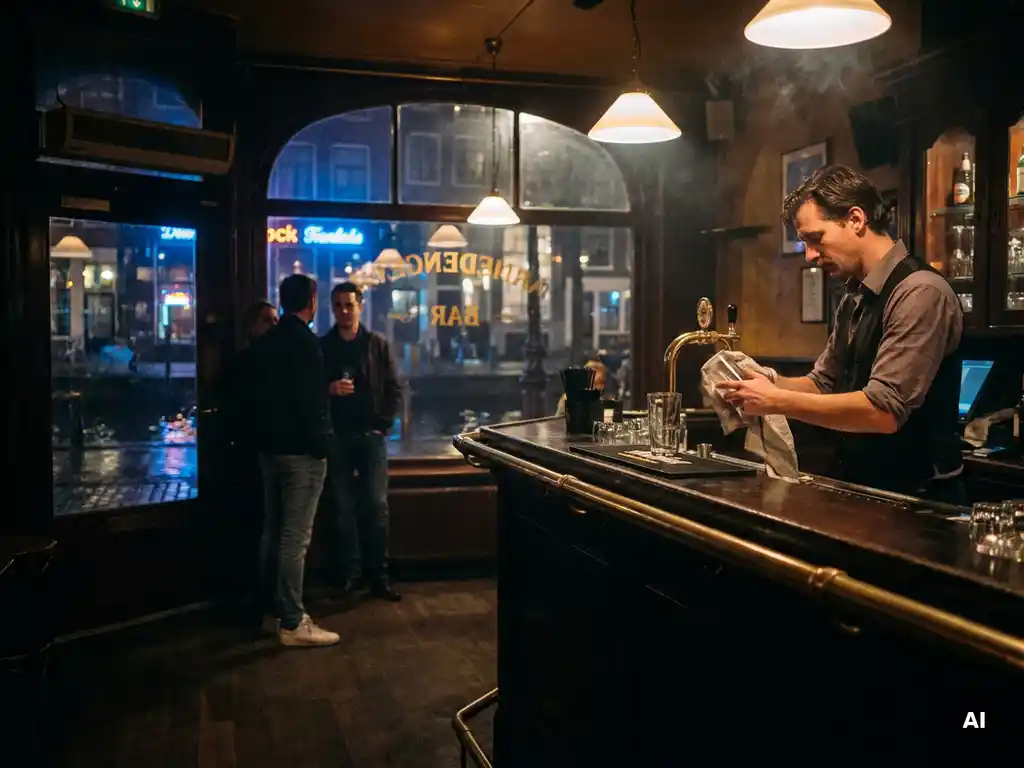
Amsterdam nightlife after COVID is recovering, but unevenly. Some corners of the scene have bounced back with real energy, while others, particularly mid-sized clubs and live music venues, are still fighting for survival. The honest answer is: it depends on what kind of night out you are looking for, and whether the city’s policy environment is willing to meet the scene halfway.
For anyone who loved Amsterdam’s nightlife before 2020, the picture in 2026 is both encouraging and sobering. Below, I break down what has actually changed, what keeps dragging the scene down, and where the genuine bright spots are.
What has changed in Amsterdam nightlife since the pandemic?
Amsterdam nightlife has changed structurally since the pandemic. The closures of 2020 and 2021 did not just pause the scene, they permanently reshaped it. Venues that had been running on thin margins for years did not survive the shutdown. The ones that came back tended to be either very large and commercially resilient, or very small and community-driven. The middle tier, the 300-to-600-capacity clubs that defined Amsterdam’s underground reputation, largely disappeared.
What replaced them is a more fragmented, event-driven model. Promoters now rent spaces on a night-by-night basis rather than running permanent venues. This keeps the scene alive but makes it harder to build the kind of consistent identity that cities like Berlin or London have managed to cultivate. You can still find exceptional nights in Amsterdam, but you have to know where to look, and the infrastructure that used to support discovery, the resident DJs, the loyal crowds, the word-of-mouth culture, has thinned out considerably.
There is also a generational shift underway. A younger crowd, many of them international students and expats, has moved into the space left by the old guard. The music and the energy are different, not worse necessarily, but different. Amsterdam nightlife in 2026 feels younger and more international than it did pre-pandemic, which is both a gain and a loss depending on your perspective.
Why are so many Amsterdam clubs and venues still closing?
Amsterdam clubs and venues are still closing primarily because of a combination of rising operational costs, restrictive city licensing, and a noise policy environment that makes running a late-night venue genuinely difficult. The pandemic accelerated pressures that were already there before 2020. Rent in Amsterdam has not gone down. Sound regulations have not relaxed. And the city’s approach to nightlife has historically been more tolerant in rhetoric than in practice.
The licensing process in Amsterdam remains slow, expensive, and unpredictable. A venue can invest heavily in soundproofing and community consultation, only to see a permit refused or revoked after a handful of noise complaints from nearby residents. This is not unique to Amsterdam, but the combination of high real estate prices and a relatively conservative local government approach to late-night culture makes the math brutal for anyone trying to open or sustain a club.
There is also the broader economic pressure. Energy costs, staff wages, and insurance have all risen sharply since the pandemic. Ticket prices have gone up, but there is a ceiling on what Amsterdam audiences will pay, especially when Berlin offers a comparable or better experience at lower cost. Venues that cannot fill the room consistently simply cannot survive.
How does Amsterdam nightlife compare to Berlin or London today?
Compared to Berlin or London, Amsterdam nightlife in 2026 is smaller in scale, more fragmented, and less internationally dominant than it was in its late-1990s and 2000s heyday. Berlin remains the benchmark for European club culture, with a policy environment, venue infrastructure, and cultural identity that Amsterdam has never quite matched. London is larger, more diverse, and commercially stronger. Amsterdam sits somewhere in between, with genuine strengths but also real structural disadvantages.
Where Amsterdam still competes is in intimacy and accessibility. The city is small enough that you can move between venues easily, and the best nights here have a warmth and community feel that Berlin’s more anonymous scene sometimes lacks. Amsterdam also has a strong electronic music heritage, and that tradition is not gone, it is just harder to find and less reliably present than it once was.
The honest comparison is this: if you are travelling specifically for nightlife, Berlin wins on depth and London wins on variety. Amsterdam wins on charm, but charm alone does not sustain a scene. The city needs to decide whether it wants to be a serious player in European nightlife culture, and that requires policy decisions that have not yet been made.
What’s actually worth going out for in Amsterdam right now?
In Amsterdam right now, the nights genuinely worth going out for tend to cluster around a few reliable formats: warehouse events in the Noord district, smaller club nights in the Jordaan and Oost, and the occasional outdoor festival that the city does exceptionally well. The Amsterdam Dance Event each October remains one of the best weeks in global electronic music, and it is a reminder of what the city is capable of when the infrastructure aligns.
Beyond electronic music, Amsterdam’s live jazz and improvised music scene has held up surprisingly well. Venues like Bimhuis continue to programme at a high level, and the city’s jazz culture is one of the things that genuinely distinguishes it from Berlin or London. If you have not explored that side of Amsterdam’s nightlife, it is worth your time.
Comedy and live performance have also carved out a meaningful space in the city’s nighttime culture. The appetite for smart, live entertainment has grown since the pandemic, and Amsterdam audiences are genuinely engaged and international enough to support English-language shows. That is a real asset for the city’s cultural scene, even if it does not always get counted in the nightlife conversation.
The practical advice: follow the promoters, not the venues. The best nights in Amsterdam in 2026 are being built by people who know how to create an experience regardless of where they are doing it. Find those people and you will find the city’s nightlife at its best.
How Klagen Niet Klagen helps you navigate Amsterdam’s nightlife
If you are trying to make sense of Amsterdam’s cultural scene, whether you live here or are visiting with genuine curiosity, Klagen Niet Klagen offers something most Amsterdam guides do not: honest, insider commentary written by someone who has been part of this city’s creative scene for over three decades. Here is what you get:
- Long-form essays on Amsterdam city life that go beyond the tourist surface, covering culture, policy, and the real contradictions of living here
- A clear editorial perspective, not sponsored content or tourism board talking points
- Coverage of the Amsterdam scene from someone with genuine skin in the game, as a founder, performer, and long-term resident
- A framework (Klagen vs. Niet Klagen) that helps you see the city honestly, the good and the frustrating, without pretending either side does not exist
Want more of this kind of commentary? Browse the full blog archive for more essays on Amsterdam life, culture, and the things that make this city endlessly worth arguing about. And if you want to get in touch directly, the about page tells you more about who is behind it all.
Speaking of live nights worth going out for: Boom Chicago has been putting on sharp, funny, English-language comedy in Amsterdam since 1993. If the nightlife conversation has you thinking about what a genuinely good night out looks like, an improvised comedy show at Boom Chicago is a strong answer. Check the current shows and agenda and come see what Amsterdam’s live scene can do when it is firing on all cylinders.
Frequently Asked Questions
How do I find out about the best one-off club nights and warehouse events in Amsterdam without relying on outdated venue listings?
The most reliable approach is to follow promoters and collectives directly on social media rather than tracking fixed venues, since Amsterdam’s event-driven model means the best nights move around constantly. Platforms like Resident Advisor and local Instagram accounts for Noord-based collectives are your best discovery tools. Signing up for mailing lists from promoters you trust will often get you early access before events sell out or even go public.
Is Amsterdam Dance Event worth attending if I'm not deeply into electronic music?
Yes, genuinely. ADE in October spans far more than club nights — it includes daytime conferences, panel discussions, live performances, and cultural events that are open and accessible to curious newcomers. The city’s energy during that week is unlike any other time of year, and even casual visitors tend to find something that connects with them. It is also one of the best moments to see Amsterdam’s nightlife infrastructure operating at full capacity, which gives you a real sense of the city’s potential.
What are the biggest mistakes visitors make when planning a night out in Amsterdam?
The most common mistake is booking or planning around well-known venue names rather than specific events, since a famous club on a slow Tuesday night will rarely deliver the experience you are hoping for. Another frequent error is underestimating how early popular nights sell out — last-minute door entry is increasingly rare for quality events. Finally, many visitors overlook the Noord district entirely, which is where some of the most interesting and authentic nights are currently happening.