
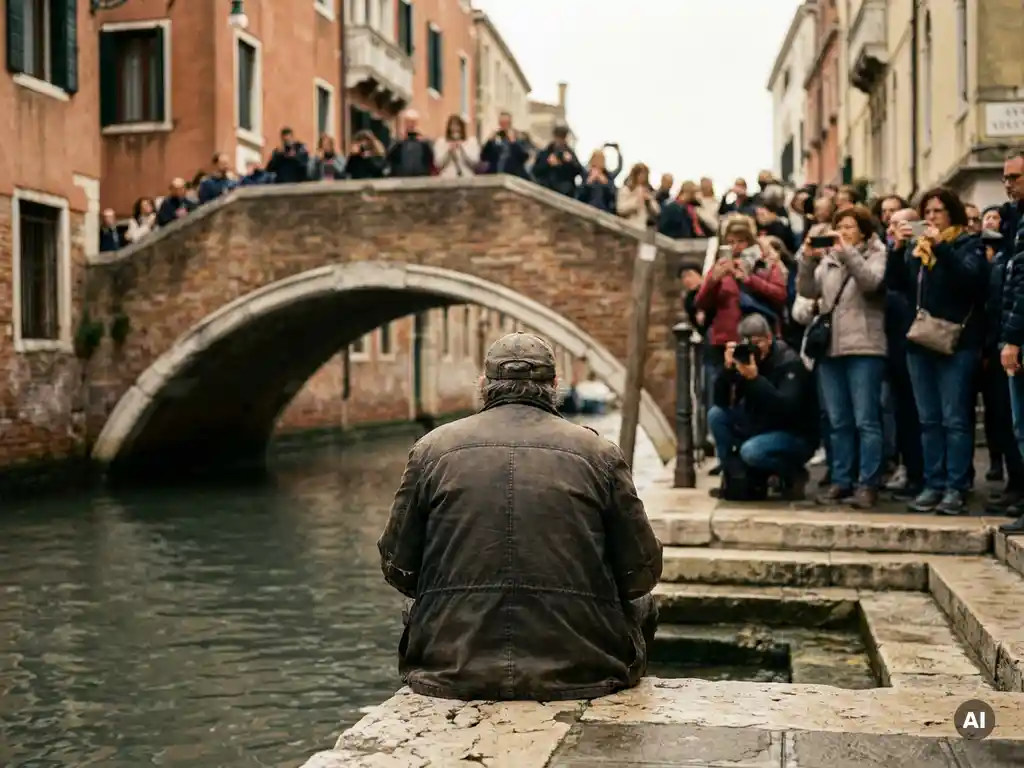
Several real incidents have turned the tension between tourists and residents in Amsterdam into a public flashpoint. From noise complaints and canal swimming bans to aggressive anti-tourist graffiti and viral confrontations filmed on smartphones, the friction is well documented and deeply felt. The sections below dig into the most significant moments, the structural reasons behind them, and how the city has responded.
Which Amsterdam incidents became flashpoints for tourist-resident conflict?
The tension between tourists and residents in Amsterdam has crystallised around several recurring and high-profile incidents. The most visible include mass public intoxication in the red-light district, tourists urinating on private property, canal swimming that endangered lives, and viral videos of residents confronting groups of rowdy visitors. These moments captured public attention and forced a policy conversation.
The red-light district has been the most persistent flashpoint. Residents of De Wallen have long complained about bachelor parties treating their neighbourhood as an open-air theme park, with noise, litter, and aggressive behaviour making ordinary life nearly impossible on weekend nights. Some residents began hanging signs from their windows asking tourists to behave. Others filmed confrontations and posted them online, which amplified the sense of crisis.
Canal swimming became a specific point of conflict when groups of tourists, often drunk, jumped into Amsterdam’s waterways during summer months. Beyond the obvious safety risk, it struck residents as a fundamental disrespect for the city’s infrastructure and character. The city responded with formal bans and fines, but enforcement remained patchy.
Anti-tourism graffiti also appeared in several neighbourhoods, with slogans telling tourists to go home. Whether or not residents broadly endorsed that message, the graffiti reflected a frustration that had moved beyond polite complaint into something rawer and more confrontational.
Why do tourist-resident tensions run especially high in Amsterdam?
The tension between tourists and residents runs especially high in Amsterdam because the city is extraordinarily small relative to the number of visitors it receives. Amsterdam’s historic centre covers a compact area, and its most famous attractions are concentrated in a handful of neighbourhoods where actual people also live, shop, and raise children. When millions of tourists funnel through those same streets, the pressure is immediate and personal.
Several factors compound this:
- Amsterdam’s reputation as a permissive city actively attracts a segment of visitors seeking behaviour that would not be tolerated at home
- Short-stay rentals reduce the supply of long-term housing in already tight neighbourhoods, directly affecting residents
- The concentration of attractions in the centre means tourist pressure does not spread evenly across the city
- Amsterdam’s cycling and pedestrian infrastructure was designed for locals, not for millions of tourists navigating it simultaneously
There is also a cultural dimension. Dutch directness means residents are less inclined to suffer in silence, and more likely to confront visitors or publicly name the problem. That directness, combined with a genuine sense of civic ownership over public space, makes the conflict more visible here than in cities where residents might simply withdraw.
What has the Amsterdam city government done in response?
The Amsterdam city government has taken a range of measures to reduce the tension between tourists and residents, moving from passive management to more active intervention. These include banning new hotels in the city centre, restricting short-stay rental nights, closing cannabis sales near schools, and launching a “Stay Away” campaign explicitly targeting nuisance tourists.
The “Stay Away” campaign was particularly striking. Rather than promoting Amsterdam as a destination, the city ran targeted digital ads in the UK aimed at young men planning party weekends, actively discouraging that type of visit. It was a deliberate signal that Amsterdam was no longer willing to accept all tourism as equally welcome.
The city also moved to close the red-light district to organised tours, restricted the opening hours of certain venues, and increased fines for public intoxication and antisocial behaviour. Plans to relocate the red-light district itself have been discussed, though implementation remains complex and contested.
None of these measures have resolved the tension entirely. Enforcement is difficult, and the economic interests tied to tourism remain powerful. But the direction of travel is clear: Amsterdam is increasingly willing to prioritise residents’ quality of life over visitor numbers.
Have resident protests or campaigns changed how Amsterdam handles tourism?
Yes, resident protests and grassroots campaigns have meaningfully shaped how Amsterdam approaches tourism policy. Community pressure from De Wallen residents was a direct factor in the city’s decision to restrict tours of the red-light district. Organised neighbourhood groups have lobbied successfully for stricter enforcement, earlier closing times, and limits on new commercial licences in residential areas.
The political shift is real. Parties that prioritised resident interests over tourism growth gained ground in local elections, and the policy agenda followed. The “Stay Away” campaign would have been unthinkable a decade earlier, when the city’s default position was to welcome visitor numbers as an economic good.
What changed was a growing recognition that the tension between tourists and residents was not a minor inconvenience but a structural problem affecting housing, safety, and the basic habitability of central Amsterdam. Resident voices, amplified by media coverage of specific incidents, made that case impossible to ignore.
The campaigns also shifted the public narrative. Amsterdam stopped being presented, even by its own government, as an unlimited destination. That reframing has been slow and imperfect, but it represents a genuine response to sustained pressure from the people who actually live there.
How Klagen Niet Klagen covers the tourist-resident debate
Klagen Niet Klagen exists precisely for moments like this one. The tourist-resident tension is not a topic that tourism boards cover honestly, and mainstream media often flattens it into either a complaint or a defence of the industry. This blog takes a different approach:
- Long-form essays that go beyond the headline incident and look at structural causes
- An insider perspective built on over three decades of living and working in Amsterdam
- Honest commentary that names the contradictions without pretending there are easy answers
- A Klagen / Niet Klagen framework that holds both frustration and appreciation at the same time
If you want commentary on Amsterdam that reflects the city as it actually is, rather than as it is marketed to be, the full story behind this blog is worth reading. And if you have thoughts, disagreements, or your own flashpoint stories to share, the contact page is always open.
The same honest, Amsterdam-rooted perspective that drives this blog is what Boom Chicago has been bringing to the stage since 1993. If you want to see what happens when sharp comedy meets the real contradictions of this city, check the current shows and agenda and come see it live. It is a very good antidote to the tourist experience.
Frequently Asked Questions
If I'm planning a visit to Amsterdam, how can I avoid contributing to the tourist-resident tension?
The most effective steps are also the most straightforward: stay in accommodation outside the historic centre, avoid the red-light district on weekend nights, and treat De Wallen and surrounding neighbourhoods as residential streets rather than entertainment venues. Choosing locally owned restaurants and shops over tourist-trap clusters, keeping noise down after 10pm, and simply being aware that people live and sleep in the buildings around you goes a long way. Amsterdam’s residents are not opposed to tourism itself — they are opposed to the specific behaviours that make their daily lives unliveable.
Has the 'Stay Away' campaign actually reduced nuisance tourism, or is it mostly symbolic?
The evidence is mixed. The campaign successfully generated international media coverage, which amplified its message far beyond the original ad spend and likely deterred some visitors. However, Amsterdam’s overall visitor numbers have remained high, and the types of behaviour the campaign targeted — rowdy bachelor parties, public intoxication, canal swimming — have not disappeared. Its real significance may be less about immediate impact and more about the signal it sends: that a city can publicly reframe its relationship with tourism and face the economic consequences of doing so. That shift in political willingness is arguably more durable than any single campaign.
Are other European cities facing the same tourist-resident tensions, or is Amsterdam a special case?
Amsterdam is far from alone — Barcelona, Venice, Lisbon, and Dubrovnik have all experienced comparable or more severe versions of the same conflict, including mass protests and resident-led anti-tourism movements. What makes Amsterdam somewhat distinct is the combination of its extreme compactness, its specific reputation for permissiveness, and the Dutch cultural tendency toward direct public confrontation rather than quiet withdrawal. The structural causes — short-stay rental pressure on housing, over-concentration of visitors in small historic cores, and the mismatch between tourism revenue and resident costs — are shared across nearly every popular European city.
Related Articles
- What squares or streets are being redesigned in Amsterdam?
- What are the best outdoor recreation spots in Amsterdam?
- How do you spend a perfect weekend in Amsterdam in 2026?
- What do you need to know about Amsterdam before your first visit?
- How do you find the best canal tour in Amsterdam for your budget?