
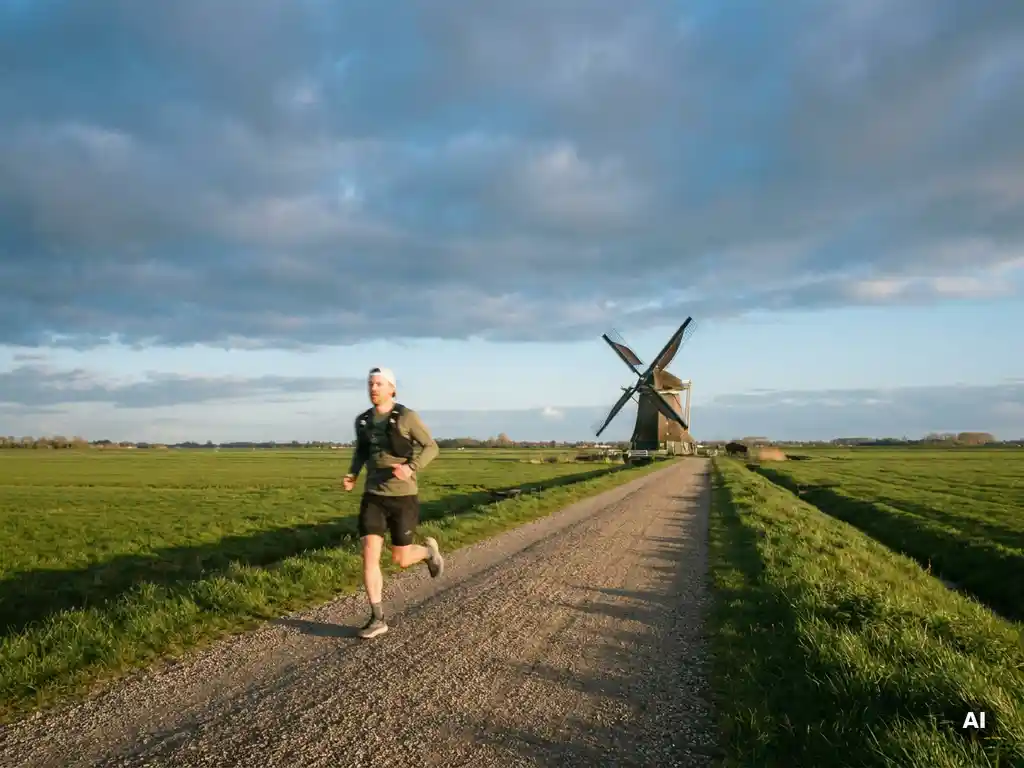
Yes, there are genuinely good hiking and running routes near Amsterdam – you just need to know where to look. The city itself sits in a flat, largely urban landscape, but within 30 to 60 minutes by bike or public transport you can reach forests, dunes, polders, and heathland that offer real outdoor recreation options in and around Amsterdam. This article walks through the best spots, what to expect, and how to make the most of getting outside.
Where are the best places to run or hike near Amsterdam?
The best places to run or hike near Amsterdam are the Amsterdamse Bos, the Kennemerduinen dunes near Haarlem, the Hoge Veluwe National Park, and the polders and nature reserves of the Waterland region north of the city. Each offers a distinct landscape and experience, from easy forest trails to more demanding sandy dune terrain.
- Amsterdamse Bos: A large woodland park on Amsterdam’s southern edge with well-marked running and walking paths through forest, meadows, and alongside water. Easily accessible by bike from the city centre.
- Kennemerduinen: A coastal dune reserve near Haarlem with varied terrain, sea views, and proper trails. One of the best outdoor recreation options near Amsterdam for anyone wanting something that feels genuinely wild.
- Waterland: The polder landscape north of Amsterdam, ideal for long flat runs and walks through open farmland, reed beds, and quiet villages. Unusual, photogenic, and almost entirely tourist-free.
- Hoge Veluwe: Further afield at around 90 minutes by train, but worth it for serious hikers. Sandy heathland, forests, and real elevation changes – rare in this part of the world.
Can you run or hike directly from Amsterdam city centre?
You can run directly from Amsterdam city centre, though you will spend the first 15 to 20 minutes navigating streets and cycle paths before reaching open green space. Vondelpark is the most central option for a quick run, but it is small, busy, and better suited to a light jog than a serious training session. For anything longer, heading to the Amsterdamse Bos or the IJ riverbanks gives you more room to breathe.
The IJ waterfront offers a surprisingly pleasant flat run east or west along the river, passing docks, industrial architecture, and increasingly green stretches. It is not wilderness, but it is genuinely enjoyable and easy to access on foot from most central neighbourhoods. Runners staying in or near the Jordaan or De Pijp will find the Bos is a manageable bike ride away, making it the default choice for a proper outdoor session without leaving the city behind entirely.
What are the best day-trip hiking destinations from Amsterdam by public transport?
The best day-trip hiking destinations from Amsterdam by public transport are Haarlem and the Kennemerduinen dunes, the Naardermeer nature reserve, and the Hoge Veluwe National Park. Haarlem is just 15 minutes by train, from where you can walk or take a short bus ride to the dune reserve, making it one of the most efficient outdoor day trips available from Amsterdam.
The Naardermeer, accessible via Naarden-Bussum station, is one of the oldest nature reserves in the Netherlands and offers quiet walks through wetland and forest with excellent birdwatching. For those willing to invest a bit more travel time, the Hoge Veluwe combines proper hiking terrain with the Kroller-Muller Museum, a combination that makes for an exceptionally good day out. Trains from Amsterdam Centraal to Ede-Wageningen or Apeldoorn connect you to the park with a bus link from the station.
Is Amsterdam’s flat landscape a problem for serious runners and hikers?
For serious runners, Amsterdam’s flat landscape is both a gift and a limitation. It makes the city excellent for building mileage and speed without the fatigue of elevation, but it offers almost no hill training or technical terrain. Hikers looking for challenging ascents will need to travel further, as the Netherlands as a whole offers very little natural elevation outside the Veluwe and the southern province of Limburg.
That said, “flat” does not mean “boring.” The dune landscapes near the coast involve more climbing than most visitors expect, with sandy ascents and descents that genuinely work the legs. The Hoge Veluwe has rolling heathland that provides variety even if it never becomes mountainous. For runners training for races, the flat terrain around Amsterdam is actually ideal for tempo runs and long-distance training, and the Amsterdamse Bos provides enough soft-surface trail running to reduce impact compared to road running in the city.
The honest answer is this: if you live in Amsterdam and love the mountains, you will occasionally feel the absence of them. But the outdoor recreation options around Amsterdam are far more interesting and varied than the city’s reputation as a flat, urban destination suggests. You just have to be willing to get on a train.
How Klagen Niet Klagen helps you find the real Amsterdam outdoors
Klagen Niet Klagen is an English-language Amsterdam blog written by Andrew Moskos, someone who has lived, worked, and explored this city for over three decades. If you want honest, insider commentary on Amsterdam life rather than sanitised tourist advice, this is the place to find it. When it comes to outdoor recreation and city life, the blog offers:
- Honest takes on what Amsterdam’s green spaces are actually like, not what the tourism board wants you to think
- Long-form essays on city life that include the contradictions, the frustrations, and the genuine pleasures of living here
- A perspective rooted in real experience, not press trips or sponsored content
- English-language commentary written for expats, international visitors, and curious Dutch readers alike
Explore more on the blog archive, or find out more about the blog and the thinking behind it. If you have a question or a topic you want covered, get in touch via the contact page.
And when you are back in the city after a long run through the dunes or a hike across the Veluwe, there is no better way to spend an Amsterdam evening than at Boom Chicago, the comedy theatre Andrew co-founded in 1993 that has been making Amsterdam laugh ever since. Check the shows and agenda and book a seat. After a day outside, you have earned it.
Frequently Asked Questions
What should I wear and bring for a day hike in the Kennemerduinen dunes?
The dune terrain can be more demanding than it looks, so wear trail shoes or sturdy trainers with good grip, as the sandy slopes can be slippery. Bring plenty of water, sunscreen, and a windproof layer — the coastal exposure means conditions can change quickly even on warm days. A paper or downloaded map is also worth having, as mobile signal in parts of the reserve can be patchy.
Are there any running clubs or group trail runs near Amsterdam for newcomers?
Yes — Amsterdam has a lively running community with several clubs that welcome newcomers, including the Amsterdam Hash House Harriers, which combines social runs with a relaxed, international atmosphere that suits expats well. Many clubs organise regular trail runs to the Amsterdamse Bos and occasional day trips to the dunes or Veluwe. Joining a group is one of the best ways to discover lesser-known routes and get comfortable navigating the area’s public transport connections to trailheads.
What are the most common mistakes people make when planning an outdoor day trip from Amsterdam?
The most common mistake is underestimating travel logistics — particularly for the Hoge Veluwe, where the final bus connection from the train station runs infrequently and can catch people off guard. Another frequent error is arriving at nature reserves like the Kennemerduinen without checking entry requirements, as some areas require a small entrance fee or a nature pass (the Dutch ‘Natuurmonumenten’ membership). Finally, many visitors plan too little time, treating a dune hike as a quick detour when in reality a proper circuit easily takes three to four hours.