
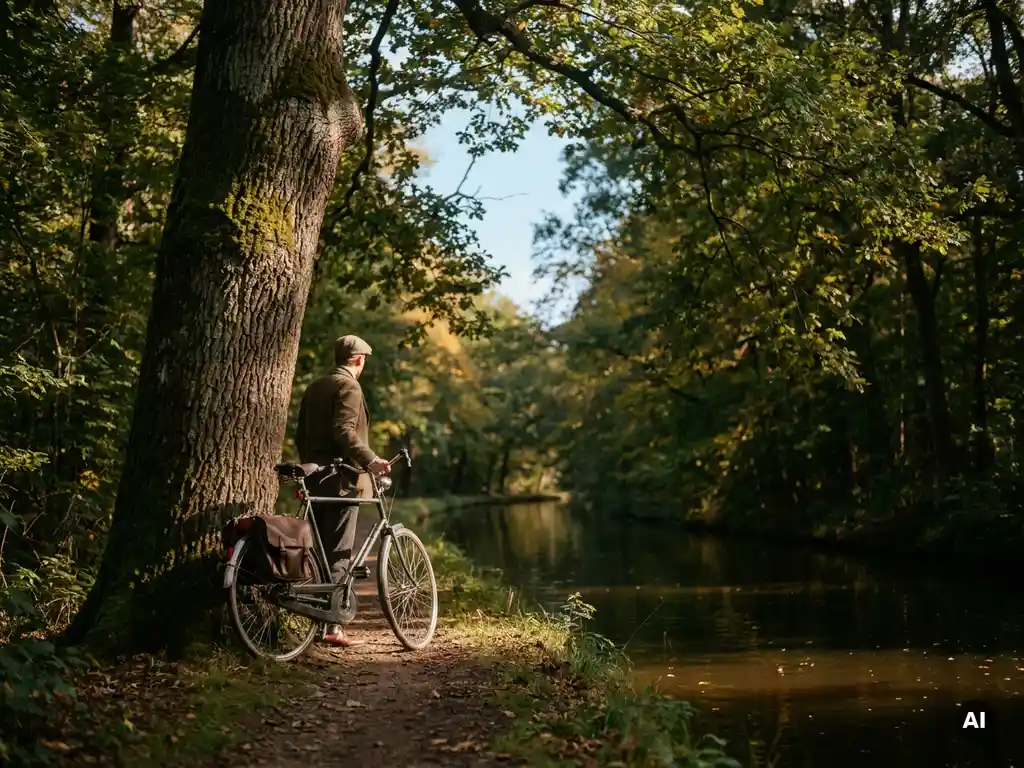
Locals in Amsterdam escape tourist crowds by heading to the city’s outer neighbourhoods, lesser-known parks, and the waterways that tourists rarely explore. The key is knowing where mass tourism ends and real Amsterdam begins. That boundary is closer than most people think. Below, you’ll find the best outdoor recreation options Amsterdam locals actually use.
Which Amsterdam neighbourhoods have the least tourist crowds outdoors?
The neighbourhoods with the fewest tourists outdoors are Amsterdam-Noord, Nieuw-West, and the Bijlmer area in Zuidoost. These districts sit well outside the historic centre and attract almost no casual tourist foot traffic. They offer green space, water, and room to breathe without a selfie stick in sight.
Amsterdam-Noord deserves special mention. Cross the IJ by free ferry and within minutes you’re in a neighbourhood that feels like a different city entirely. The Vliegenbos is a proper forest, not a manicured park, and it sits right on the edge of the city. Further north, the Waterland polder landscape begins almost immediately, with flat cycling routes through villages like Ransdorp and Holysloot that most tourists have never heard of.
Nieuw-West is underrated in a different way. The Sloterplas lake sits at its heart, ringed by parks and beaches that fill up with locals on warm days. It has the relaxed, community feel of a neighbourhood that has never needed to perform for visitors. Zuidoost, meanwhile, offers Gaasperplaspark, one of Amsterdam’s largest and genuinely quietest outdoor spaces.
What are the best outdoor spots in Amsterdam for locals to escape the crowds?
The best outdoor spots for locals seeking genuine quiet are the Amsterdamse Bos, Gaasperplaspark, Sloterplas, and the Vliegenbos. Each offers something Vondelpark simply cannot: space, nature, and the absence of tourists taking photos of their stroopwafels.
The Amsterdamse Bos is the standout. It is enormous, roughly three times the size of Central Park in New York, and most of it feels genuinely wild. You can run, cycle, swim in the open-air pool, rent a canoe, or simply walk for an hour without seeing another soul. On a weekday morning it belongs almost entirely to locals.
Gaasperplaspark in Zuidoost is arguably the city’s best-kept secret for outdoor recreation. The lake is clean, the surrounding greenery is well maintained, and the atmosphere is calm in a way that the more central parks never quite manage. Locals swim, windsurf, and picnic here without the circus of the tourist belt.
How do locals use Amsterdam’s waterways for outdoor recreation?
Amsterdam locals use the city’s waterways for swimming, paddleboarding, kayaking, canoeing, and recreational boating. The canals in the historic centre are generally not suitable for swimming, but the lakes, rivers, and open water around and within the city offer genuine outdoor recreation options for Amsterdammers year-round.
The Sloterplas and Gaasperplas are the two most popular open-water swimming spots within the city limits. Both are monitored for water quality and have proper facilities. On a hot summer day, these lakes are where locals go rather than fighting for a patch of grass in Vondelpark.
Paddleboarding and kayaking have grown significantly in popularity over the past decade. The quieter canals in Amsterdam-Noord and the open stretches of the IJ offer good paddling routes that feel nothing like the tourist boat traffic in the centre. Several rental spots operate in Noord specifically because the water there is calmer and less congested.
Recreational boating is deeply embedded in Amsterdam culture. Many locals own or rent small electric boats and spend summer evenings on the water with friends. The key is heading away from the Prinsengracht and Keizersgracht, where tour boats dominate, and instead exploring the ring canals further out or the open water of the Amstel heading south.
Are there outdoor activities near Amsterdam that tourists rarely visit?
Yes. Within thirty to sixty minutes of Amsterdam by bike, public transport, or car, there are outdoor destinations that see almost no international tourist traffic. The Waterland region north of the city, the dunes of the North Holland coast, and the Gooi heathlands to the southeast are all within easy reach and largely unknown to visitors.
The Waterland polder is the most accessible. Cycling north from Amsterdam-Noord through Broek in Waterland, Monnickendam, and Marken takes you through a landscape that has barely changed in centuries. Flat, quiet, and genuinely Dutch in a way that the historic centre no longer is. Tourists who do make it here are rare, and the ones who do are usually the good kind.
The North Holland dune reserves between Castricum and Bergen are a revelation for anyone who has not discovered them. Miles of protected dune landscape, forest trails, and coastal paths that connect to some of the best beaches in the Netherlands. The train from Amsterdam Centraal to Castricum takes under thirty minutes.
To the southeast, the Gooi region around Hilversum and Laren offers heathland, forest, and lakes that attract Dutch day-trippers but almost no international visitors. The Naardermeer nature reserve, just east of Amsterdam, is one of the oldest protected nature areas in the Netherlands and can be explored by canoe.
How Klagen Niet Klagen helps you find the real Amsterdam outdoors
Klagen Niet Klagen is written for people who want honest, insider knowledge about Amsterdam, not a polished tourism brochure. If you’re looking for outdoor recreation options in Amsterdam that go beyond the obvious, this blog delivers exactly that:
- Long-form essays and opinion pieces on Amsterdam city life written from over thirty years of lived experience
- Honest takes on where locals actually go, and why the tourist version of Amsterdam is a different city entirely
- Cultural context that helps you understand not just where to go, but why Amsterdam works the way it does
- A consistent, independent editorial voice free from tourism board influence or advertorial pressure
If this kind of honest, insider Amsterdam commentary is what you’re after, find out more about the blog and explore the archive. There’s plenty more where this came from.
And if you’re in Amsterdam and looking for something to do on a rainy evening after a day outdoors in the Amsterdamse Bos, consider spending it at Boom Chicago. The comedy theatre Andrew Moskos co-founded in 1993 has been making Amsterdam audiences laugh for over thirty years. Check the shows and agenda and book a seat. It’s the kind of Amsterdam experience that doesn’t show up in any tourist guide either.
Frequently Asked Questions
What's the best time of year to enjoy outdoor recreation in Amsterdam like a local?
Late spring through early autumn (May to September) is the prime season for open-water swimming, paddleboarding, and cycling through the Waterland polder, with long daylight hours and warm enough temperatures to make the most of the lakes and waterways. That said, locals use the Amsterdamse Bos and outer neighbourhood parks year-round — winter cycling through the dune reserves or a foggy morning walk in the Vliegenbos has its own appeal. The shoulder months of May and September offer the best balance: decent weather, fewer crowds even in the more popular local spots, and a city that feels closer to its everyday self.
Do I need to rent a bike to access most of these local outdoor spots, or are they reachable by public transport?
Most of the spots mentioned are reachable by a combination of public transport and walking, but a bike genuinely transforms the experience. The Amsterdamse Bos is accessible by tram (line 25 to Amstelveenseweg), Gaasperplaspark is served by the metro (line 54), and the free IJ ferries drop you directly into Amsterdam-Noord. For the wider day trips — Waterland, the North Holland dunes, or the Gooi region — a bike or train is the practical choice, and the train to Castricum for the dune reserves takes under thirty minutes from Amsterdam Centraal.
Is it safe to swim in Amsterdam's lakes, and are there any rules locals follow?
The Sloterplas and Gaasperplas are both officially designated swimming locations with regular water quality monitoring by the municipality — they’re safe under normal conditions and have basic facilities like changing areas nearby. The unwritten local rules are straightforward: check the water quality reports on the Amsterdam municipality website before swimming, especially after heavy rainfall when runoff can temporarily affect quality, and avoid the historic canals entirely, which are not monitored or suitable for swimming. Arriving early on hot days is also the local approach — the lakes get busy by midday in summer, and a spot in the shade goes fast.