
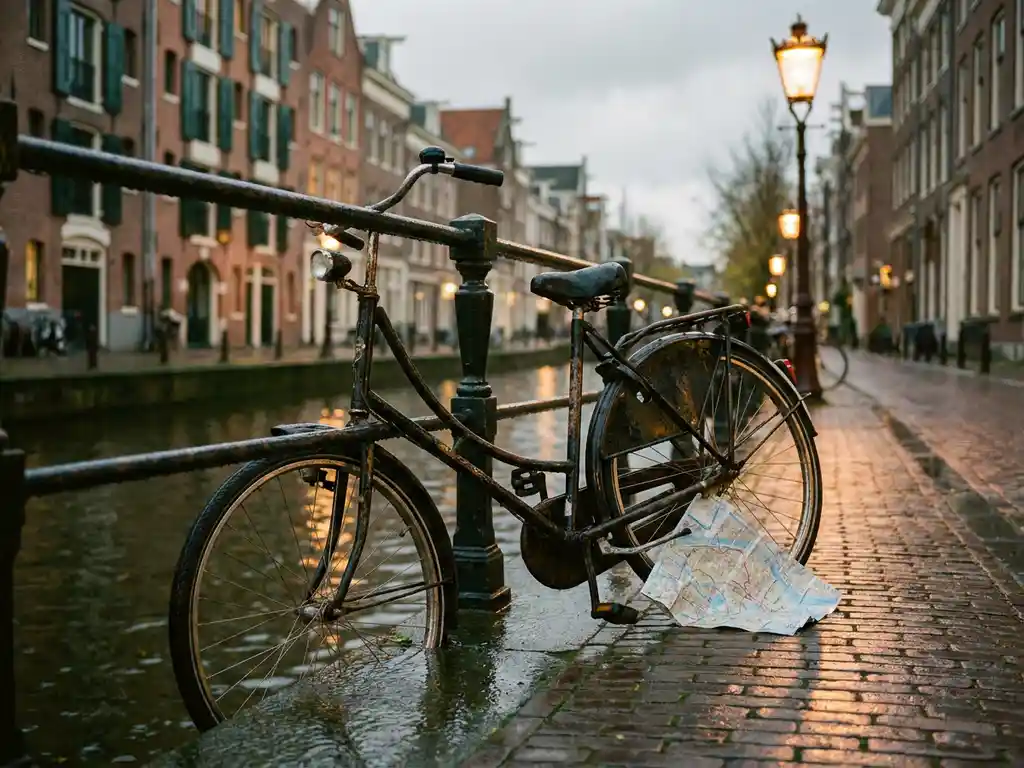
Amsterdam is a genuinely safe city by European standards, but it has a handful of specific traps that catch visitors off guard every single year. The risks are rarely violent or dramatic — they tend to be financial, legal, or physical, and almost all of them are avoidable once you know what to look for. Below, the most common questions about staying safe and smart in Amsterdam get direct, honest answers.
What are the most common scams targeting visitors in Amsterdam?
The most common scams in Amsterdam target tourists in predictable ways: overpriced currency exchange, fake or tampered ATMs near tourist hotspots, and street vendors selling low-quality or counterfeit goods. The city centre, particularly around Centraal Station and the Red Light District, is where most of these encounters happen.
Currency exchange booths with no visible rate display are a classic trap. Always check the rate before handing over any cash, and avoid the booths clustered around Centraal Station unless the rate is clearly posted and competitive. Legitimate GWK Travelex counters inside the station are a safer option.
Another persistent scam involves men approaching tourists near Leidseplein or Rembrandtplein offering to sell them drugs. The product is almost always not what it claims to be, and engaging with street dealers puts you at legal risk as well as financial risk. The same goes for anyone offering to “help” you buy a tram or metro ticket — these individuals are not official staff and will pocket your money.
Friendship bracelets, CD handouts, and unsolicited “gifts” followed immediately by aggressive requests for money are also common in high-traffic areas. The rule is simple: if someone approaches you on the street with something in their hand, keep walking.
Is cycling in Amsterdam dangerous for tourists?
Cycling in Amsterdam is genuinely risky for visitors who have not spent time in a Dutch cycling culture. The city has over 500 kilometres of bike lanes, but those lanes operate with their own unwritten rules and fast-moving traffic. Tourists who rent bikes without understanding the flow cause accidents, frustrate locals, and sometimes end up seriously hurt.
The biggest dangers are the tram rails that cross bike paths at angles — a narrow tyre catching a rail at the wrong angle will throw you off the bike instantly. Riding near Centraal Station, Dam Square, and the main shopping streets means navigating a constant mix of pedestrians wandering into bike lanes, delivery vehicles, and experienced Dutch cyclists moving at speed.
If you do rent a bike, stay off the main arterial roads in the centre until you have a feel for the rhythm. The quieter canal streets and the Vondelpark area are far more forgiving. Always use hand signals, never ride side by side on narrow paths, and be aware that Dutch cyclists will not slow down or swerve for you — they assume you know the rules.
Where in Amsterdam should you watch your pockets and bags?
Pickpocketing in Amsterdam is concentrated in a small number of high-density tourist areas. The most active spots are Centraal Station (particularly the main hall and tram platforms), the Albert Cuyp market, Waterlooplein flea market, Leidseplein, and the streets immediately around the Rijksmuseum and Anne Frank House.
Crowded trams — especially lines 1, 2, 5, and 7 heading from Centraal Station toward the museum quarter — are prime locations. The moment a tram fills up is exactly when professional pickpockets work. Keep bags in front of you, avoid putting your phone in your back pocket, and be especially alert when someone creates a distraction near you.
The risk is not violent. Amsterdam pickpockets are professionals who rely on misdirection and crowding. A cross-body bag worn in front, or a money belt for passports and larger amounts of cash, eliminates most of the risk entirely. Backpacks worn on your back in crowded areas are an open invitation.
What are the legal rules visitors most often accidentally break?
Visitors to Amsterdam regularly break local rules without realising it, and the consequences range from a fine to a genuinely unpleasant encounter with police. The most commonly broken rules involve cycling, public drinking, and cannabis consumption in the wrong locations.
- Cycling on pedestrian paths: Many visitors assume any paved path is fair game for a bike. It is not. Pedestrian zones are clearly marked, and cycling in them can result in a fine.
- Cannabis outside designated areas: While cannabis is tolerated in licensed coffeeshops, smoking it on the street in most of the city centre is now prohibited. Fines are actively enforced in areas like the Red Light District and near schools.
- Public drinking in restricted zones: Drinking alcohol in public is banned in large parts of the city centre, including around Centraal Station. The rules are enforced more strictly than many visitors expect.
- Photography in the Red Light District: Taking photos of sex workers in the windows is illegal and will be met with immediate confrontation — from the workers themselves, from residents, and from police.
- Jaywalking near trams: Crossing tram tracks when the light is red is dangerous and technically illegal. Trams cannot stop quickly and have right of way.
Amsterdam has genuinely tightened enforcement of these rules in recent years as part of a broader effort to manage overtourism. Ignorance is not treated as a valid excuse by enforcement officers.
How dangerous is the Red Light District at night?
The Red Light District at night is not particularly dangerous in terms of personal safety, but it is chaotic, crowded, and specifically designed to separate visitors from their money and good judgement. Serious violent crime is rare. What is common is harassment, aggressive sales tactics, overpriced establishments, and an environment that is deliberately disorienting.
The area around Oudezijds Achterburgwal and the surrounding streets fills up dramatically after 10pm, particularly on weekends. Large groups of drunk tourists, narrow streets, and a concentration of bars, clubs, and adult entertainment venues create an atmosphere where petty crime and confrontations do happen. Walking through as a small group, staying on well-lit main streets, and avoiding engagement with anyone aggressively trying to pull you into a venue are the basics.
The city has introduced significant restrictions on bachelor parties and large group tourism in the Red Light District, including a ban on guided tours through the area at night. This has reduced some of the worst behaviour, but the neighbourhood remains one of the few places in Amsterdam where you genuinely need to stay alert.
What food and drink traps should you avoid in Amsterdam?
The food and drink traps in Amsterdam are almost entirely about location rather than quality. The restaurants immediately surrounding Dam Square, the Anne Frank House, and Centraal Station serve mediocre food at premium prices specifically because they do not need repeat customers. The turnover of tourists is sufficient to keep them full regardless of what ends up on the plate.
The clearest warning sign is a menu displayed outside with photos of every dish and prices that seem reasonable until you notice the service charge and the “tourist menu” pricing. Any restaurant aggressively staffed by someone standing outside trying to wave you in is almost always a better experience to walk past.
Drinks in the main tourist squares — Leidseplein and Rembrandtplein in particular — come with a significant location premium. A beer on those terraces costs considerably more than the same beer two streets away. This is not a scam, exactly, but it is worth knowing before you sit down.
For genuinely good food at honest prices, moving even one or two streets away from the main tourist corridors makes a substantial difference. The Jordaan neighbourhood, the streets around De Pijp, and the area around Nieuwmarkt all have restaurants serving local and international food to a mixed local and visitor crowd — a reliable indicator of quality.
How Klagen Niet Klagen helps you navigate Amsterdam honestly
Tourist guides give you the sanitised version of Amsterdam. Klagen Niet Klagen gives you the honest one — written by someone who has lived and built a business in this city for over three decades, with no tourism board agenda and no advertorial pressure. Here is what the blog offers on exactly this kind of topic:
- Insider perspective on how Amsterdam actually works, from someone with genuine skin in the game
- Honest assessments of where the city is genuinely great and where it will disappoint or catch you out
- Long-form essays and opinion pieces that go beyond surface-level advice into the cultural and social logic behind the city’s quirks
- Regular content written in English for expats, international visitors, and globally minded Dutch readers who want more than a listicle
If this kind of honest, city-literate commentary is what you are looking for, the full blog archive is the place to start. Read it before your trip, during your time in Amsterdam, or as a way of making sense of the city after you leave.
And if you want to experience Amsterdam’s sharpest comedic voice live, Boom Chicago has been doing exactly that since 1993. The company that introduced improvisation theatre to the Netherlands is still going strong, still Amsterdam-rooted, and still genuinely funny. Check the current shows and agenda — it is one of the few things in this city that is impossible to replicate anywhere else.
Frequently Asked Questions
Is it safe to use ATMs in Amsterdam, and how do I avoid card skimming?
Stick to ATMs located inside bank branches or inside Centraal Station’s GWK Travelex counter rather than freestanding machines on busy tourist streets — these are the most common targets for skimming devices. Before inserting your card, give the card slot a firm tug to check for any attachments, and shield the keypad when entering your PIN. Contactless payment is widely accepted across Amsterdam, so using your phone or a tap-to-pay card for most transactions reduces your ATM exposure significantly.
What should I do if I'm approached by someone trying to scam me or I realise I've already been scammed?
If you are mid-interaction, the most effective response is simply to walk away without engaging — scammers rely on social pressure and your reluctance to seem rude. If money has already changed hands, report the incident to the nearest police post (there are several in the city centre, including at Centraal Station) or file a report online via the Dutch police website at politie.nl. While recovering lost cash is unlikely, reporting helps local authorities track patterns and protects future visitors.
Are there any neighbourhoods or areas in Amsterdam that tourists should avoid entirely?
Amsterdam does not have neighbourhoods that are genuinely dangerous or off-limits to visitors in the way some cities do. The areas that require the most awareness — the Red Light District at night, the immediate surroundings of Centraal Station — are covered in detail above, and heightened alertness rather than outright avoidance is the right approach. If anything, the neighbourhoods most worth skipping are not unsafe but simply overpriced and underwhelming: the streets immediately around Dam Square offer little that cannot be found better and cheaper two minutes in any direction.