
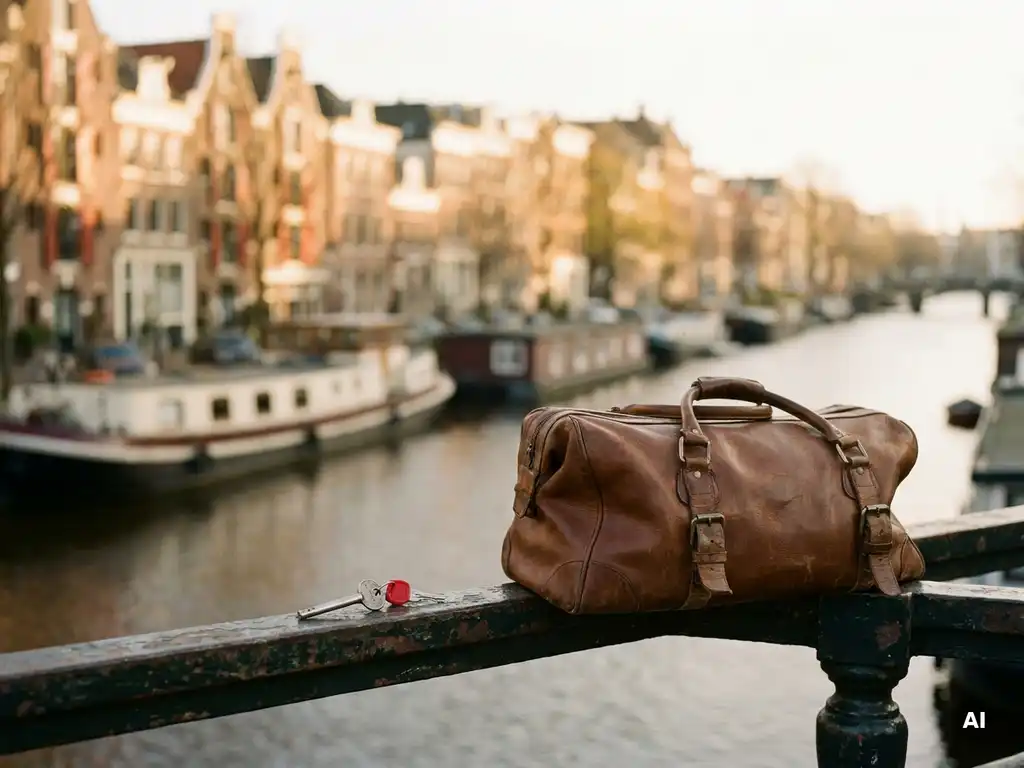
Expats in Amsterdam navigate the tourist-resident divide by gradually learning the city’s unwritten social codes, building local routines, and accepting that full belonging takes years, not months. The tension between tourists and residents is real and felt daily, especially in a city as compact and heavily visited as Amsterdam. The questions below unpack exactly how that divide works and where expats fit in.
Why do expats feel caught between tourists and locals?
Expats feel caught between tourists and locals because they share the city with both groups but fully belong to neither. They are not passing through like visitors, but many Dutch locals still read them as outsiders. This in-between position creates a specific kind of social friction: the tension between tourists and residents lands hardest on the people who live here permanently but are not yet woven into the fabric of Dutch daily life.
The practical reality is that expats often live in the same central neighbourhoods that tourists flood on weekends. They cycle the same routes, shop at the same markets, and eat at the same restaurants. When a tourist stops dead in the middle of the Prinsengracht to photograph a houseboat, the expat behind them on a bike feels exactly what every local feels: a flash of irritation followed by a slightly guilty recognition that they, too, were once that person.
Dutch locals can sometimes lump expats and tourists together, especially if the expat’s Dutch is limited or nonexistent. The assumption, not always unfair, is that someone speaking English in a shop is passing through. Building a visible local identity takes deliberate effort, and until that happens, expats occupy an ambiguous middle ground that can feel isolating. Learning more about that experience is part of what this blog is about.
What are the unwritten rules that separate residents from tourists in Amsterdam?
The unwritten rules that separate residents from tourists in Amsterdam are mostly about pace, awareness, and spatial respect. Locals move with purpose. They do not stop on bridges for photos, do not walk side by side on narrow pavements, and do not linger in bike lanes. Knowing these rules, and following them instinctively, is the clearest signal that someone actually lives here.
A few of the most important unwritten rules:
- Never stop your bike in the middle of the road. Pull over, signal, or get out of the flow entirely.
- Stand to the right on escalators and trams so others can pass.
- Do not make excessive noise in residential streets after 10 pm, the Dutch value quiet evenings deeply.
- Respect queue culture. Pushing in is considered genuinely rude, not just mildly impolite.
- When a local says “gezellig,” understand it is a compliment about atmosphere, not just cosiness, and do not ask them to explain it in detail.
For expats, absorbing these norms is a rite of passage. The moment you catch yourself sighing at a tourist blocking the tram door, you know you have crossed a threshold. That shift in perspective, from curious visitor to quietly exasperated resident, is one of the more honest markers of integration.
How does Amsterdam’s overtourism affect expat daily life?
Amsterdam’s overtourism affects expat daily life through higher costs, crowded public spaces, and a gradual erosion of the neighbourhood character that made the city worth moving to in the first place. The tension between tourists and residents intensifies every year, and expats absorb it in concrete, daily ways: longer queues, noisier streets, and a housing market that has been distorted by short-term rental platforms.
The effects are not evenly distributed. Expats who live in the canal ring or the Jordaan feel the pressure most acutely. Weekends can make these neighbourhoods feel like a theme park. Locals and long-term residents often retreat to less central areas, or simply stay home on Saturday afternoons. For expats who chose Amsterdam precisely for its vibrant street life and intimate scale, this displacement carries a real sense of loss.
There is also a more subtle psychological toll. When your neighbourhood is a destination for millions of annual visitors, it is easy to feel that the city does not quite belong to you either, that you are a resident of a postcard rather than a real place. This is a frustration that expats and Dutch locals share completely, and it is one of the few areas where the tourist-resident divide temporarily closes.
When does an expat stop feeling like a tourist in Amsterdam?
An expat stops feeling like a tourist in Amsterdam when the city stops surprising them and starts simply being their life. This shift rarely happens at a single identifiable moment, it accumulates through small milestones: knowing which Albert Heijn has the shortest queues on a Sunday, having a regular spot at a local café where the staff recognise you, or instinctively correcting a visitor’s directions without thinking twice.
The timeline varies enormously. Some expats reach this point within a year or two; others, particularly those who work primarily in English-speaking environments, can feel like permanent newcomers after a decade. The key variable is not time but depth of engagement: learning some Dutch, building friendships outside the expat bubble, and developing genuine opinions about city politics and neighbourhood life all accelerate the transition.
It is worth being honest about one thing: for many expats, the tourist feeling never fully disappears. Amsterdam is a city that keeps a slight distance, even from people who love it. That is not a failure of integration, it is part of the city’s character. Learning to be comfortable in that ambiguity is, in its own way, the most local thing you can do.
How Klagen Niet Klagen helps with the tourist-resident divide
Klagen Niet Klagen exists precisely for the expat who has moved past the tourist phase but still feels like an outsider looking in. Written by Andrew Moskos, co-founder of Boom Chicago and a three-decade Amsterdam resident, the blog offers honest, humorous, and genuinely informed commentary on what it means to live in this city rather than just visit it.
- Long-form essays that take the tourist-resident tension seriously, without pretending there are easy answers
- An insider perspective that is neither a tourism pitch nor a Dutch-only conversation
- Cultural commentary that helps expats decode the unwritten rules of Amsterdam life
- A consistent editorial voice that respects the reader’s intelligence and experience
If you recognise yourself in any of the questions above, there is more where this came from. Browse the full blog archive and find the commentary on Amsterdam that you have been looking for.
And if you want to experience Amsterdam’s sharpest comedy and cultural commentary in person, Boom Chicago has been doing exactly that since 1993. Shows rooted in improvisation, current events, and the particular absurdity of Dutch life, performed in English, in Amsterdam, for audiences who want to laugh and think at the same time. Check the Boom Chicago website for what is on and come see what three decades of loving and complaining about this city looks like on stage.
Frequently Asked Questions
How can I start building a local identity in Amsterdam as a new expat?
The most effective first steps are hyper-local ones: find a neighbourhood café or market stall you return to weekly, introduce yourself to your direct neighbours, and join a club or group that meets regularly in Dutch — even a beginner language class counts. Consistency matters more than fluency; being a recognisable face in a small radius signals residency far more convincingly than any official registration. Over time, these micro-routines compound into the kind of social fabric that separates a resident from someone who just happens to have a lease.
What are the most common mistakes expats make that keep them stuck in the 'tourist' category?
The biggest mistake is building an exclusively English-speaking social life — it is comfortable but insulating, and it keeps you permanently adjacent to Dutch daily life rather than inside it. A close second is treating Amsterdam’s most photographed spots as your default backdrop: if the Jordaan on a Saturday is your idea of a weekend, you are still experiencing the city as a visitor does. Deliberately seeking out the less curated, less central version of Amsterdam — neighbourhood sports clubs, local political meetings, unglamorous supermarkets — is what actually shifts your relationship with the city.
Is it worth learning Dutch as an expat if almost everyone in Amsterdam speaks English?
Yes, and the reason is social rather than practical. You are right that English will get you through almost every transaction in Amsterdam, but Dutch unlocks a register of interaction that English simply cannot reach: the overheard conversation on a tram, the dry joke from a shopkeeper, the neighbourhood WhatsApp group where local life actually happens. Even a modest level of Dutch signals to locals that you are making an effort to meet them on their terms, which changes how they treat you in ways that are subtle but cumulative and genuinely meaningful over time.