
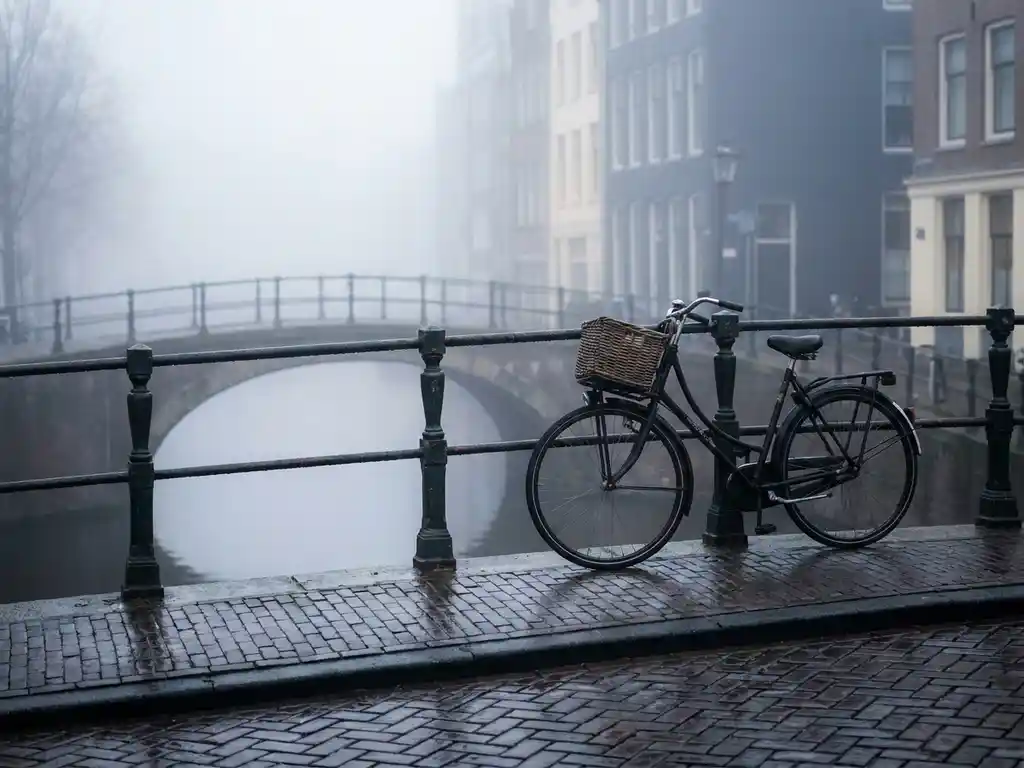
Cycling in Amsterdam is generally safe, but it demands your full attention. The city has an extensive, well-maintained cycling infrastructure built over decades, and the vast majority of riders complete their journeys without incident. That said, Amsterdam’s bike lanes are fast, busy, and operate by their own unwritten rules — which catch a lot of newcomers off guard. Here is what you actually need to know before you get on a bike in this city.
How dangerous is cycling in Amsterdam compared to other cities?
Amsterdam is one of the safest cities in the world for cyclists, largely because cycling infrastructure is central to how the city was designed — not an afterthought. Dedicated bike lanes are separated from car traffic on most major routes, and drivers are culturally conditioned to watch for cyclists. Compared to cities like London, New York, or Paris, the risk of a serious collision with a motor vehicle is significantly lower.
That does not mean accidents do not happen. The sheer volume of cyclists — Amsterdam has more bikes than residents — creates its own hazards. Collisions between cyclists, pedestrians wandering into bike lanes, and tram tracks catching wheels are all real risks. The danger in Amsterdam is less about cars and more about navigating a dense, high-speed cycling ecosystem where everyone seems to know the rules except you.
What are the biggest hazards cyclists actually face in Amsterdam?
The biggest hazards for cyclists in Amsterdam are tram tracks, other cyclists, and pedestrians who do not look before stepping into bike lanes. Tram tracks are the most physically dangerous — if your wheel catches one at an angle, you will go down fast. Busy tourist areas like Damrak and Leidseplein are particularly unforgiving in this regard.
Other hazards worth knowing about include:
- Pedestrians in bike lanes — tourists especially tend to wander into clearly marked cycling paths without looking
- Electric cargo bikes and speed pedelecs — these move fast and are increasingly common
- Wet cobblestones and bridge surfaces — slippery when it rains, which is often
- Distracted cyclists — locals cycling while on their phone is genuinely common and genuinely dangerous
- Narrow bridges and blind corners — Amsterdam’s canal ring was not designed with traffic flow in mind
What rules do cyclists need to follow in Amsterdam?
Cyclists in Amsterdam must follow standard Dutch traffic law: ride on the right, obey traffic lights, use hand signals when turning, and yield to trams. Cycling under the influence of alcohol is illegal and can result in a fine. Helmets are not legally required for regular cyclists, though they are recommended for children and e-bike riders.
Beyond the legal rules, there are strong unwritten norms. Cycling slowly or erratically will earn you audible irritation from other cyclists. Stopping in the middle of a bike lane to check your phone is considered deeply antisocial. Ringing your bell is not aggression — it is communication, and ignoring it will not end well for you. The fastest way to cycle safely in Amsterdam is to match the flow of traffic and commit to your direction clearly.
Is cycling in Amsterdam safe for tourists and first-time visitors?
Cycling in Amsterdam is safe for tourists and first-time visitors as long as they choose quieter routes, rent a reliable bike, and resist the urge to cycle in the busiest tourist corridors during peak hours. The Jordaan, the area around Vondelpark, and the quieter side streets east of the city centre are all manageable for beginners.
The honest advice: avoid the main tourist arteries like Damrak and the area immediately around Centraal Station until you have your bearings. These stretches combine high cyclist volume, pedestrian chaos, tram tracks, and delivery vehicles in a way that will overwhelm anyone unfamiliar with Amsterdam cycling culture. Give yourself thirty minutes in a quieter neighbourhood first, get comfortable with the pace, and then venture further.
How do you avoid bike theft in Amsterdam?
Bike theft in Amsterdam is extremely common — the city consistently ranks among the highest in Europe for bicycle theft per capita. To avoid losing your bike, always use two locks: one sturdy frame lock through the rear wheel and one heavy-duty chain or U-lock securing the frame to a fixed object. Locking only to yourself or using a single cheap lock is an open invitation.
A few practical rules locals follow:
- Lock to an official bike rack or a fixed metal post — never to a fence, tree, or anything that can be lifted
- Never leave a valuable or new-looking bike unattended for long periods in busy areas
- Rent a bike that looks like every other Amsterdam bike — battered, practical, and unremarkable
- Register your bike’s frame number if you own one long-term, so it can be traced if recovered
For tourists renting bikes, the rental company’s lock is usually sufficient — but always use it, even for short stops.
What should you know before cycling in Amsterdam at night?
Cycling in Amsterdam at night is common and generally safe, but Dutch law requires working front and rear lights on your bike after dark. Cycling without lights will earn you a fine from police, who do stop and ticket cyclists regularly. If you are renting, check the lights before you leave — many rental bikes have dynamo lights that only work when you are moving.
Visibility is the main practical concern. Stick to well-lit bike lanes, be extra alert at canal crossings where the edges are not always clearly marked, and be aware that drunk pedestrians spilling out of bars in areas like Leidseplein and Rembrandtplein have even less spatial awareness than usual. Night cycling in Amsterdam can be genuinely beautiful — quiet canals, lit bridges, almost no cars — but it rewards attention and decent lights.
How Klagen Niet Klagen helps you navigate Amsterdam on two wheels
If you are trying to figure out what Amsterdam is actually like to live in, cycle through, and make sense of, polished tourism content will only take you so far. Klagen Niet Klagen exists precisely for that gap — honest, long-form commentary on Amsterdam city life written by someone who has been cycling these streets since 1993.
- Insider perspective on Amsterdam culture, transport, and city life — without the tourism board spin
- Honest takes on what has changed, what has not, and what the city looks like from the inside
- English-language essays that speak to expats, curious visitors, and internationally minded locals equally
- A consistent editorial voice built on over three decades of lived Amsterdam experience
For more articles on things to do in Amsterdam and what the city is really like to navigate, explore the full blog archive.
And if you want to experience Amsterdam at its most alive and irreverent, come see a show at Boom Chicago. It is the comedy theatre Andrew Moskos co-founded here in 1993 — sharp, funny, and entirely Amsterdam in spirit. After a day navigating bike lanes and tram tracks, sitting down and laughing at it all with a room full of people feels exactly right. Get in touch if you have questions about what is on.
Frequently Asked Questions
What type of bike should I rent as a first-time cyclist in Amsterdam?
For first-time visitors, a standard Dutch city bike (omafiets or stadsfiets) is the best choice — upright, sturdy, and built for Amsterdam’s flat terrain and stop-start traffic. Avoid renting e-bikes or speed pedelecs until you are comfortable with the pace of the bike lanes, as the added speed makes navigating busy junctions and pedestrian-heavy areas significantly more demanding. Most reputable rental shops near Vondelpark or in the Jordaan will set you up with something reliable and appropriately unremarkable — which also helps with theft deterrence.
What should I do if I get into a cycling accident in Amsterdam?
If you are involved in a collision, move yourself and your bike out of the active bike lane immediately to avoid secondary incidents — Amsterdam lanes do not slow down for you. For accidents involving injury, call 112 (the Dutch emergency number); for minor incidents between cyclists, exchange contact details and, if relevant, photograph the scene. If you are renting a bike, contact your rental company as soon as possible, as most have specific procedures for accidents and may provide basic insurance coverage.
Are there any Amsterdam cycling routes that are particularly good for nervous or beginner cyclists?
The Amstelpark loop, the paths along the Amstel River heading south, and the cycling routes through Vondelpark are all excellent starting points for less confident riders — quieter, well-signed, and largely free of tram tracks. The eastern harbour area (NDSM and Java Island) also offers wide, modern cycling infrastructure with far less congestion than the historic centre. Spending your first hour on any of these routes will build the muscle memory and spatial awareness you need before tackling busier corridors like the canal ring.
Related Articles
- Are there areas in Amsterdam where locals avoid tourists?
- What are the best day trips from Amsterdam for culture lovers?
- What are the best free things to do in Amsterdam this weekend?
- How do you find the best cheap eats in Amsterdam as a newcomer?
- How do you find the best canal tour in Amsterdam for your budget?