
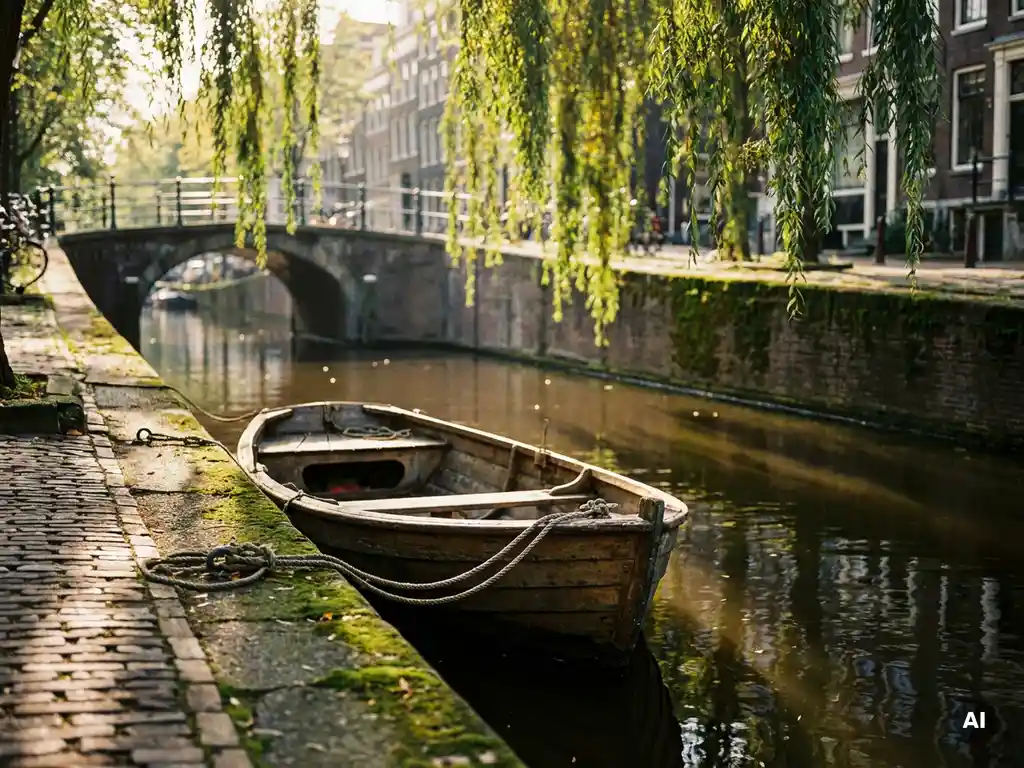
Amsterdam’s most underrated outdoor recreation spots are the ones tourists never find: neighbourhood parks like Rembrandtpark and Erasmuspark, quiet waterways along the Amstel, and pockets of genuine nature in the Amsterdamse Bos and the wetlands just beyond the ring road. The city has far more green space and water access than its reputation as a canal-and-crowd destination suggests. Read on for a local’s honest guide to where Amsterdammers actually go when they want fresh air.
Which Amsterdam parks do locals actually use?
Locals gravitate toward Rembrandtpark, Erasmuspark, and Westerpark far more than the famous Vondelpark. These west-side green spaces offer the same grass and trees without the tourist density, the Instagram posing, or the overpriced stroopwafels at the entrance. If you want to see Amsterdam at rest, these are the places to look.
Vondelpark is not bad. It is just saturated. On a warm Saturday it functions more as a theme park than a neighbourhood park. Rembrandtpark, by contrast, is genuinely local. It is large, has a decent pond, and on most weekdays you will share it mainly with dog walkers, parents with pushchairs, and the occasional group of teenagers doing nothing in particular. That is exactly what a good park should feel like.
Erasmuspark in De Baarsjes is smaller but has a loyal following among families and young professionals who have moved into the area over the past decade. Westerpark doubles as a cultural venue, with the old Westergasfabriek buildings hosting markets and events, which makes it a rare combination of nature and city life in one place. Worth the detour.
What outdoor water spots in Amsterdam are worth visiting?
The best outdoor water spots in Amsterdam for locals include the Amstel riverbanks south of the city centre, the swimming spots along the Nieuwe Meer, and the quieter stretches of canal in the Jordaan and De Pijp that most visitors cycle straight past. Amsterdam is defined by water, but the genuinely enjoyable water experiences are rarely the ones on a map.
The Nieuwe Meer is a genuine lake on the western edge of the city, and in summer it becomes a low-key outdoor swimming destination. It is not a managed beach resort. It is a grassy bank, some water, and people who just want to swim. That lack of infrastructure is precisely the appeal.
The Amstel south of Amstelpark is also worth knowing about. The river widens, the houseboats thin out, and you get a sense of what this landscape looked like before the city grew around it. Rowing clubs, kayakers, and weekend cyclists own this stretch. If you want to understand why people actually choose to live here long-term, spend an afternoon along the Amstel rather than another hour on the Prinsengracht.
Where can you find nature and wildlife just outside Amsterdam’s centre?
The Amsterdamse Bos, the Diemer Vijfhoek wetlands, and the polders south toward Amstelveen offer genuine nature within cycling distance of the city centre. These are not manicured gardens. They are working landscapes with birds, open water, and enough space to forget the ring road exists.
The Amsterdamse Bos is the obvious starting point. It covers roughly 1,000 hectares of forest, meadow, and open water, and was built in the 1930s as a public works project. Today it functions as the city’s lungs. You can row on the Bosbaan, watch herons along the ponds, or simply walk for an hour without hearing a tram. It is one of the most genuinely useful things Amsterdam has ever built, and it remains underappreciated by anyone who has not actually spent time in it.
For wildlife specifically, the wetlands east of the city around Diemer and the IJmeer shoreline are remarkable given how close they sit to a major European capital. Migratory birds use the IJmeer as a stopover, and the reed beds along the edge of the city hold species most visitors would not expect to find within sight of apartment blocks. The Amsterdam blog has covered this kind of overlooked local geography before, because it is exactly the kind of thing that makes long-term residents love the city in ways that are hard to explain to someone who just visited for a weekend.
How do Amsterdammers use outdoor space differently than tourists do?
Amsterdammers treat outdoor space as an extension of daily life rather than a destination. They cycle through parks on the way to somewhere else, eat lunch on canal steps, and swim in open water on ordinary weekday evenings. Outdoor recreation in Amsterdam is woven into routine, not scheduled as an activity.
The tourist version of Amsterdam outdoors is a boat tour, a picnic in Vondelpark, and a photo by the Magere Brug. All fine. None of it is particularly wrong. But it misses the texture of how the city actually operates outside.
Locals use the canals for swimming in summer, which still surprises many visitors. The water quality in Amsterdam’s canals has improved significantly over the decades, and designated swimming spots like Brouwersgracht and the Amstel attract regulars who treat an evening dip the way others treat a gym session. There is no fanfare. People lock their bikes, jump in, and cycle home.
The other distinctly local habit is using outdoor space for absolutely nothing. Dutch culture has a strong tradition of sitting still in public without feeling the need to perform leisure. A bench by the water, a coffee, no agenda. That is not laziness. That is a highly developed relationship with outdoor space that takes years of living here to fully appreciate.
How Klagen Niet Klagen helps you find the real Amsterdam outdoors
Finding the outdoor spots locals actually use is not something a tourism website will tell you. That is exactly what Klagen Niet Klagen exists for: honest, insider commentary on Amsterdam from someone who has lived and worked here for over thirty years. Here is what you get from this blog that you will not find elsewhere:
- Genuine local perspective on Amsterdam green spaces, water spots, and neighbourhood life, written without tourism-board influence
- Long-form essays that go beyond lists and actually explain why a place matters and how locals relate to it
- Commentary grounded in decades of Amsterdam experience, not a press trip or a sponsored post
- An honest Klagen / Niet Klagen lens: the good, the overcrowded, and the genuinely underrated
Explore more on the blog archive, or get in touch if you have a question about Amsterdam life that deserves a real answer.
And if you want to experience Amsterdam’s sharpest comedy in person, Boom Chicago has been making locals and internationals laugh since 1993. After a long walk through the Amsterdamse Bos or a swim in the Nieuwe Meer, an evening of live improvisational comedy is the perfect way to end the day. Check the shows and agenda and see what is on.
Frequently Asked Questions
How do I get to spots like the Nieuwe Meer or Amsterdamse Bos without a car?
Both are easily reachable by bike, which is exactly how most locals get there. The Amsterdamse Bos is roughly a 20-minute cycle from the city centre, and the Nieuwe Meer sits just beyond it on the western edge of the city. If you are not cycling, tram and bus connections get you close, but renting a bike for a half-day is genuinely the better option — it lets you move between spots the way Amsterdammers actually do.
Is it actually safe to swim in Amsterdam's canals and open water spots?
Open water spots like the Nieuwe Meer and designated Amstel swimming areas are generally considered safe for swimming in summer, and water quality across Amsterdam has improved dramatically over recent decades. The canals in the city centre are a different matter — while locals do swim in spots like Brouwersgracht, it is worth checking current water quality reports before going in, as conditions vary by season and rainfall. The Amsterdam municipality publishes water quality updates, and local news sources like Klagen Niet Klagen cover this kind of practical detail honestly.
What is the best time of year to visit Amsterdam's outdoor and nature spots?
Late spring through early autumn — roughly May to September — is when Amsterdam’s outdoor life is at its fullest, with open-air swimming, busy park benches, and active waterways. That said, the Amsterdamse Bos and the IJmeer wetlands are genuinely worth visiting year-round: winter light over the polders and migratory bird activity in autumn can be just as rewarding as a summer afternoon, and you will have these spaces almost entirely to yourself.