
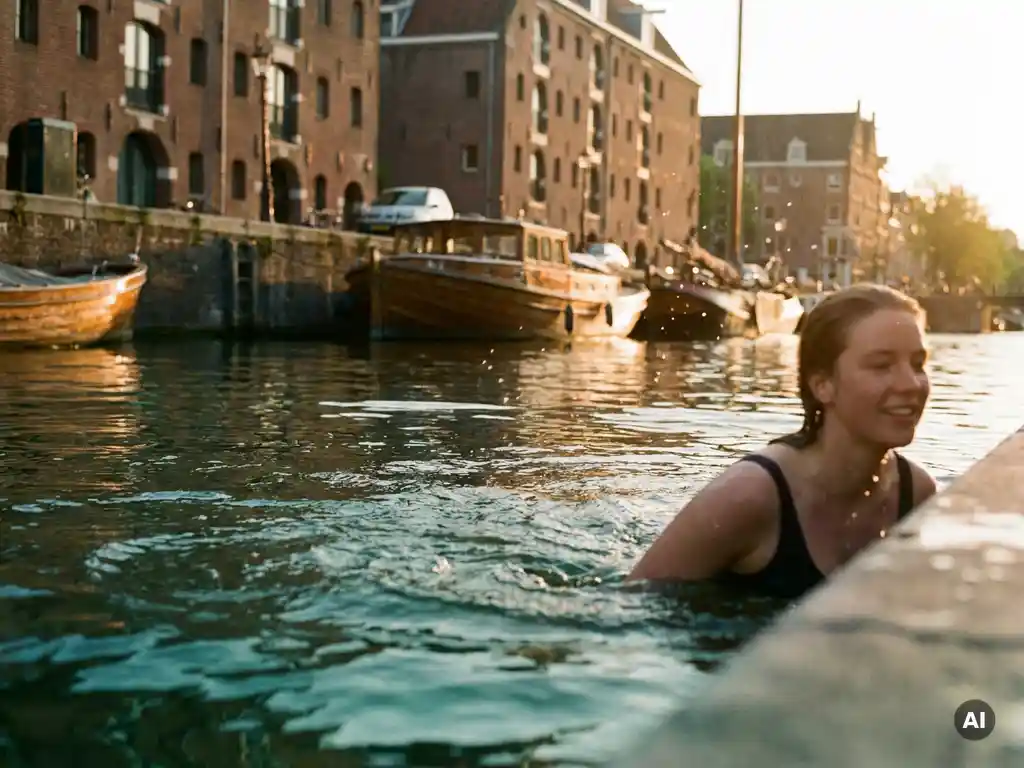
Marineterrein is one of Amsterdam’s most distinctive swimming spots, standing out from the city’s lakes and canals thanks to its sheltered harbour location, urban industrial character, and community-driven approach to public space. It offers a genuinely different experience from the open water of places like the Sloterplas or Bosbaan. Below, the key questions about Marineterrein as a swimming destination are answered directly.
What makes Marineterrein a unique place to swim in Amsterdam?
Marineterrein is unique because it is a former Dutch Navy compound that has been transformed into an open, experimental urban campus, and swimming is a central part of that identity. Unlike Amsterdam’s recreational lakes, which exist primarily as leisure infrastructure, Marineterrein treats the water as a living part of the city’s public fabric. The swim spot sits in a sheltered tidal inlet connected to the IJ, giving it a distinctly maritime atmosphere you simply do not find at a sandy lakeshore.
The setting itself is striking. You are surrounded by historic naval buildings, research institutions, and innovation hubs rather than beach bars and paddleboats. The water is tidal, which means it moves and refreshes naturally. There is a floating jetty, clean entry points, and a relaxed, community feel that attracts locals rather than tourists. It is the kind of place where you feel like you have discovered something real about Amsterdam rather than stumbled upon a curated experience.
What also sets Marineterrein apart is its role as a testing ground. The site has been used for water quality research and urban waterway innovation, which means the people running it are genuinely invested in keeping the water clean and the experience honest. It is not a commercial swim beach. It is a place where Amsterdam experiments with what a city can be.
How does Marineterrein’s water quality compare to other Amsterdam swim spots?
Marineterrein’s water quality is generally considered good for an urban swim location, benefiting from tidal flow that continuously refreshes the inlet. This gives it a natural advantage over stagnant or slow-moving urban water. That said, like all Amsterdam swim locations, water quality can vary depending on rainfall, season, and broader IJ water conditions. It is not a controlled lake environment, so swimmers should check current conditions before entering.
Amsterdam’s designated lakes, such as the Sloterplas and the Bosbaan, are monitored under formal EU bathing water regulations and typically receive official quality ratings each season. These ratings give swimmers a reliable benchmark. Marineterrein operates in a different category: it is an urban tidal location where the water quality conversation is more dynamic and less institutionalised than at the city’s official bathing lakes.
In practical terms, the Sloterplas and Bosbaan tend to offer more consistent and formally verified water quality data. Marineterrein offers a more adventurous, urban swim experience where you are swimming in the city rather than at a designated leisure facility. Both have genuine appeal, but they serve different kinds of swimmers.
Which Amsterdam swim spots are officially approved for swimming?
Amsterdam has several officially designated bathing water locations that are monitored and approved for swimming under EU standards. The main ones include the Sloterplas, the Bosbaan in the Amsterdamse Bos, and the Nieuwe Meer. These spots are tested regularly throughout the swimming season and receive official quality classifications ranging from poor to excellent.
The city’s official swim locations are managed with safety infrastructure in mind: marked swimming zones, lifeguard presence during peak season at some sites, and regular water quality updates published by the municipality. For families with children or swimmers who want certainty, these approved spots offer the most reliable experience.
Marineterrein does not appear on the official EU bathing water register in the same way, which means it sits in a different regulatory category. Swimming there is permitted and actively encouraged by the site’s operators, but it lacks the formal seasonal quality certification of the lakes. This is not necessarily a reason to avoid it, but it is worth understanding the difference before you jump in.
When is the best time to swim at Marineterrein versus the city’s lakes?
The best time to swim at Marineterrein is during warm, dry spells in summer, typically from late June through August, when water temperatures are most comfortable and the risk of runoff from heavy rainfall is lowest. Because Marineterrein is connected to the IJ, heavy rain can temporarily affect water quality more quickly than at enclosed lakes, so timing your visit after a dry stretch of weather is genuinely good advice.
Amsterdam’s lakes, by contrast, warm up more predictably during summer and hold their temperature better. The Sloterplas in particular becomes a reliable swim destination from mid-June onward and stays pleasant well into September. If you want a long, leisurely swim in consistently warm water with a sandy shore, a lake on a sunny weekday morning is hard to beat.
Marineterrein tends to suit those who want an early morning or after-work urban swim with a different kind of atmosphere. The site has a quieter, more contemplative character than the busy lakeshores on a hot weekend. If the lakes feel like Amsterdam’s version of a beach holiday, Marineterrein feels like swimming in the actual city, which is either exactly what you want or not at all what you are looking for.
How Klagen Niet Klagen helps you navigate Amsterdam’s swim spots
Finding honest, practical information about swimming in Amsterdam is harder than it should be. Tourist sites tell you where to go without telling you what it is actually like. Local Dutch media covers it in Dutch. Klagen Niet Klagen fills that gap with the kind of direct, experience-based commentary that only comes from someone who has lived in this city for over three decades.
- Honest takes on what Amsterdam’s swim spots are really like, beyond the official descriptions
- Practical context about when, where, and why to swim at specific locations
- Cultural commentary that helps you understand Amsterdam’s relationship with its own water
- Long-form essays and opinion pieces written for people who actually live here or want to understand the city properly
If you want more of this kind of writing, find out more about the blog or explore the full archive for more Amsterdam commentary written without a tourism board in sight. Got a question or a topic you want covered? Get in touch directly.
And while you are thinking about Amsterdam summers, water, and the city at its best: Boom Chicago has been making people laugh in this city since 1993. If an evening of sharp, Amsterdam-rooted comedy sounds like the right way to end a day that started with a swim, check out the current shows and agenda. It is a very good combination.
Frequently Asked Questions
Is there anything I need to bring or prepare before swimming at Marineterrein?
Marineterrein is a no-frills urban swim spot, so it is worth coming prepared. Bring your own towel, water shoes if you prefer a more comfortable entry, and something to change into, as changing facilities are basic compared to the city’s recreational lakes. It is also a good idea to check the current water quality status before heading out, particularly after heavy rainfall, since the tidal connection to the IJ means conditions can shift more quickly than at enclosed lakes.
Can beginners or non-confident swimmers use Marineterrein safely?
Marineterrein can be enjoyed by swimmers of varying abilities, but it is not a managed bathing beach with lifeguards on duty, so non-confident or inexperienced swimmers should exercise caution. The tidal nature of the water means currents can be present, which is quite different from the calm, enclosed conditions at the Sloterplas or Bosbaan. If you are new to open water swimming, starting at one of Amsterdam’s officially designated and supervised lakes is a sensible first step before trying a more urban, tidal location.
What is the easiest way to get to Marineterrein by public transport?
Marineterrein is located on the eastern waterfront of Amsterdam, close to the city centre, making it straightforward to reach without a car. From Amsterdam Centraal, it is a short bike ride or bus journey eastward along the IJ waterfront, and cycling is by far the most practical option given Amsterdam’s infrastructure. The site is well-signposted once you are in the area, and arriving by bike fits naturally with the relaxed, local character of the place.
Related Articles
- Is limiting tourist numbers actually working in Amsterdam?
- How has overtourism changed daily life for residents?
- What streets are affected by the new traffic policy?
- What are the best immersive art experiences in Amsterdam in 2026?
- How do you find a cheap hotel in Amsterdam without sacrificing location?