
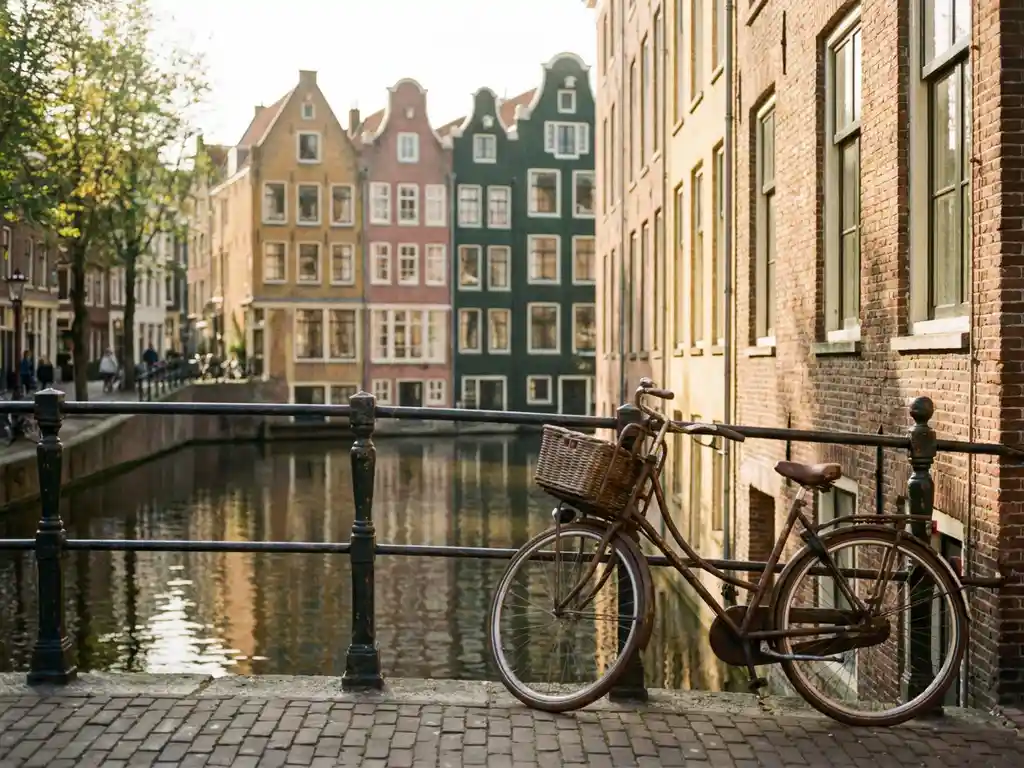
The best neighborhoods to stay in Amsterdam depend on what kind of trip you are planning, but for most visitors, the Jordaan, De Pijp, and the Canal Ring offer the strongest combination of atmosphere, accessibility, and authenticity. Each has a distinct character, a different price point, and a different relationship with the tourist crowds. The questions below break down exactly what sets each neighborhood apart and how to choose the right one for your stay.
Which Amsterdam neighborhood fits your travel style?
Your ideal Amsterdam neighborhood depends on whether you prioritize charm, nightlife, local culture, or value. The Jordaan suits visitors who want a picturesque, village-like atmosphere with independent shops and brown cafes. De Pijp works well for those who enjoy a lively, multicultural food scene. The Canal Ring is the classic choice for first-timers who want to be in the heart of historic Amsterdam.
Beyond those three, neighborhoods like Oud-West and Amsterdam-Noord are increasingly popular among visitors who want to experience the city more like a local. Oud-West is walkable, residential, and packed with excellent coffee bars and restaurants without the selfie-stick density of the center. Amsterdam-Noord, just a free ferry ride across the IJ from Centraal Station, has transformed into a creative hub with a genuinely different energy from the rest of the city.
If you are visiting primarily for Amsterdam’s cultural experiences, proximity to specific venues matters more than neighborhood prestige. Think about where you actually plan to spend your evenings before booking.
What is the difference between the Jordaan and De Pijp?
The Jordaan and De Pijp are both beloved residential neighborhoods, but they have very different personalities. The Jordaan is quieter, more expensive, and carries a romantic, old-Amsterdam aesthetic with narrow canals and 17th-century architecture. De Pijp is louder, more diverse, more affordable, and centers around the Albert Cuyp market and a dense concentration of bars and restaurants.
The Jordaan sits just west of the main canal ring and has long been one of the most sought-after addresses in the city. It is genuinely beautiful, but that beauty now comes with tourist-facing prices and a certain amount of self-conscious quaintness. The brown cafes are real, but so are the queues outside the stroopwafel shops.
De Pijp, south of the city center, has more of an everyday urban energy. The Albert Cuyp market runs through its spine on weekday mornings and Saturdays, and the side streets hold some of the best cheap restaurants in Amsterdam. It is also where a large part of the city’s younger, international population actually lives, which gives it a more lived-in feeling. For visitors who want to eat well without spending a fortune and still be within cycling distance of the main sights, De Pijp is often the smarter call.
Is the city centre actually the best place to stay?
The city centre, meaning the area immediately around Dam Square, Leidseplein, and Rembrandtplein, is convenient but not necessarily the best place to stay in Amsterdam. It offers easy access to major sights and public transport, but it also comes with higher prices, more noise, and a tourist-heavy atmosphere that feels disconnected from how Amsterdam actually functions as a city.
That said, for first-time visitors with only two or three days, the center makes practical sense. You can walk to most major museums, the canal ring is right there, and you will not waste time on logistics. But if you have been to Amsterdam before, or if you are staying for more than a few days, basing yourself slightly outside the center almost always produces a better experience.
The neighborhoods immediately adjacent to the center, including the Jordaan, Oud-West, and the Plantage area near Artis, give you the same transport access with far more character and, usually, more competitive accommodation pricing. The tram network in Amsterdam is excellent, so being ten minutes from Dam Square by tram is genuinely not a problem.
Which Amsterdam neighborhoods are safe for tourists?
Amsterdam is one of the safer major European cities, and virtually all neighborhoods commonly recommended to tourists are safe. The Jordaan, De Pijp, the Canal Ring, Oud-West, Plantage, and Amsterdam-Noord are all low-risk areas where the main concerns are bicycle theft and pickpocketing in crowded spots, not personal safety.
The Red Light District (De Wallen) is safe to walk through, but it attracts a specific kind of crowd at night and is not a comfortable base for most visitors. It is worth seeing, but staying there means accepting a lot of noise and street-level chaos that does not represent Amsterdam at its best.
The practical safety advice for Amsterdam is consistent regardless of neighborhood: lock your bike properly, keep your phone out of sight in busy areas like Centraal Station and the major market streets, and be aware that tourist-heavy zones attract opportunistic theft. None of this is unique to Amsterdam, and none of it should discourage you from exploring freely.
Where should you stay in Amsterdam on a budget?
For budget travelers, De Pijp, Oud-West, and Amsterdam-Noord offer the best combination of affordable accommodation and genuine neighborhood character. These areas have lower hotel and rental prices than the Canal Ring or Jordaan, good transport links, and access to cheap restaurants Amsterdam locals actually use rather than tourist-priced alternatives.
Amsterdam is not a cheap city, and it has become significantly more expensive over the past decade. Budget accommodation in the center is increasingly hard to find at reasonable prices, and the cheaper options that do exist tend to be cramped or poorly located. Shifting your base slightly outward often means you get a better room for less money and a more interesting street to walk out onto in the morning.
Hostels remain an option in the center for solo travelers, and Amsterdam has some well-run ones. But for anyone who values sleep and space, the outer residential neighborhoods are worth the extra five minutes on the tram. The Amsterdam locals guide perspective here is simple: the city is small enough that there is no such thing as being too far from the action.
How far in advance should you book accommodation in Amsterdam?
For peak season visits, meaning spring tulip season (late March through May), summer (June through August), and major events like King’s Day on April 27, you should book accommodation in Amsterdam at least three to six months in advance. For off-peak visits in autumn or winter, four to eight weeks ahead is usually sufficient to find good options at reasonable prices.
Amsterdam’s accommodation market has tightened considerably. Short-term rental regulations have reduced the supply of apartments available through platforms like Airbnb, which has pushed more visitors toward hotels and put upward pressure on prices across the board. Waiting until the last minute, especially for spring visits, is a reliable way to either overpay or end up somewhere you did not want to be.
If your travel dates are flexible, visiting in November, January, or February gives you the best combination of availability, pricing, and a city that feels more like itself and less like a theme park. The weather is grey and cold, but Amsterdam in winter has a mood that the summer crowds never get to experience.
How Klagen Niet Klagen helps you navigate Amsterdam’s best neighborhoods
Choosing where to stay is just the beginning. Understanding how Amsterdam actually works, what its neighborhoods feel like from the inside, and how to get the most out of the city beyond the obvious sights is exactly what this blog is built for. Klagen Niet Klagen offers a perspective you will not find in a tourism brochure:
- Honest, opinionated takes on Amsterdam neighborhoods from someone who has lived here for over three decades
- Long-form essays on Amsterdam city life that go beyond surface-level travel advice
- Insider context on the city’s culture, contradictions, and unwritten rules
- Practical recommendations grounded in real local knowledge, not sponsored content
- Regular commentary on what makes Amsterdam genuinely worth visiting and what the tourist trail misses
Browse the full blog archive for more Amsterdam guides, cultural commentary, and the kind of honest city writing that only comes from someone with real skin in the game.
And if you want to experience Amsterdam at its sharpest and most entertaining, Boom Chicago has been doing exactly that since 1993. The comedy shows blend sharp improv, cultural observation, and a very Amsterdam sense of humor into something genuinely unlike anything else in the city. Whether you are visiting for a weekend or have lived here for years, a night at Boom Chicago belongs on your Amsterdam list. Check the current shows and agenda to find out what is on during your stay.
Frequently Asked Questions
Is it better to stay in one Amsterdam neighborhood for the whole trip or move around?
For most visitors, picking one base and staying there for the entire trip is the smarter approach. Amsterdam is a compact city with an excellent tram and cycling network, so you can reach any neighborhood within 15–20 minutes from almost anywhere. Moving accommodation mid-trip adds logistical stress and often costs more without meaningfully improving your experience.
What are the biggest mistakes people make when choosing where to stay in Amsterdam?
The most common mistake is booking purely based on proximity to the major tourist sights, which usually means ending up in the noisy, overpriced city center. A close second is underestimating Amsterdam’s tram network — many visitors don’t realize that being a few stops from the center is genuinely no inconvenience at all. Booking too late in spring or summer is the third, and often most expensive, mistake.
Are there Amsterdam neighborhoods worth avoiding entirely as a tourist base?
The Red Light District (De Wallen) is the most commonly cited area to avoid as a base — not because it’s unsafe, but because the nighttime noise, crowds, and general atmosphere make it a poor place to sleep and unwind. The area directly around Centraal Station is similarly better visited than lived in. Neither is dangerous, but both are optimized for foot traffic rather than residential comfort.