
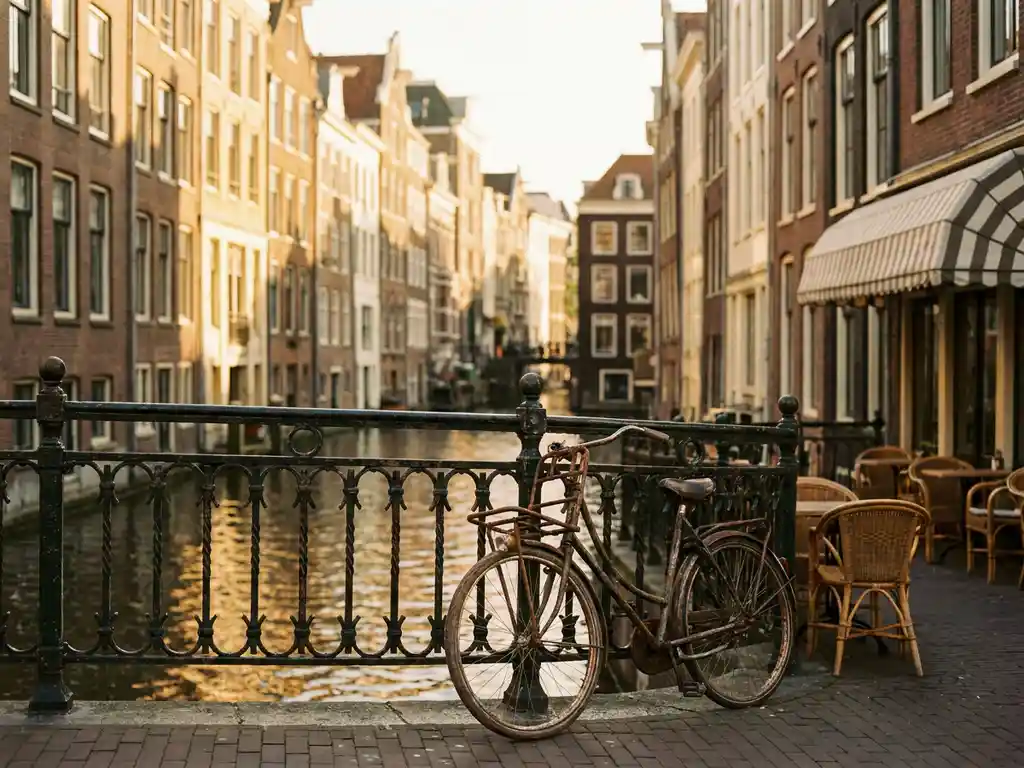
Which Amsterdam neighborhoods do most expats actually end up in?
Most expats in Amsterdam settle in De Pijp, Amsterdam-Zuid (particularly the Oud-Zuid area), the Jordaan, and increasingly the newer eastern neighborhoods like Oostelijk Havengebied and IJburg. These areas combine good English-language infrastructure, strong international communities, and enough local character to feel like you are actually living in Amsterdam rather than in a generic expat bubble.
De Pijp is probably the most internationally mixed neighborhood in the city. It has a long history of absorbing waves of newcomers, and that openness is baked into its street culture. The Albert Cuyp market, the dense grid of bars and restaurants, and the relatively (for Amsterdam) manageable rents have made it a default landing zone for expats in their twenties and thirties.
Amsterdam-Zuid, particularly the streets around Beethovenstraat and the Vondelpark, attracts a slightly different profile: expats working in finance, tech, or international organizations, often with families or higher budgets. The Jordaan draws people who want beauty and history and are willing to pay for it. Meanwhile, neighborhoods like Indische Buurt and Noord are increasingly popular among expats who want more space for less money and do not mind a slightly longer commute.
What’s the difference between living in De Pijp and Amsterdam-Zuid?
The key difference between De Pijp and Amsterdam-Zuid is energy versus comfort. De Pijp is lively, dense, and social, with a younger demographic and a neighborhood feel built around street life and casual dining. Amsterdam-Zuid is quieter, more spacious, and tends to attract expats who prioritize schools, green space, and proximity to international corporate offices.
In practical terms, De Pijp means smaller apartments, more noise, and better access to nightlife and the city center. Amsterdam-Zuid means larger homes, wider streets, and a neighborhood that genuinely quiets down after 10pm. The Vondelpark is right there, which matters enormously if you have a dog or small children.
There is also a social dynamic worth naming honestly. De Pijp has a more mixed, bohemian feel where locals and expats genuinely intermingle. Parts of Amsterdam-Zuid, particularly around the international schools, can feel like a self-contained expat ecosystem where you could theoretically go months without having a meaningful conversation with a Dutch person. Neither is wrong, but they are genuinely different experiences of living in Amsterdam.
How much does it cost to rent in Amsterdam’s most popular expat neighborhoods?
Renting in Amsterdam’s most popular expat neighborhoods is expensive by any European standard. In 2026, a two-bedroom apartment in De Pijp or Amsterdam-Zuid typically runs between €2,000 and €3,500 per month depending on size, condition, and whether the landlord has done a recent renovation and priced accordingly. The Jordaan sits at the higher end of that range, sometimes exceeding it for anything with canal views.
For expats on tighter budgets, neighborhoods like Bos en Lommer, Indische Buurt, and Amsterdam-Noord offer meaningfully lower rents while still being well connected. A two-bedroom in Noord can be €500 to €800 cheaper per month than an equivalent apartment in De Pijp, which over a year is a significant difference.
One important caveat: Amsterdam’s rental market is genuinely difficult to navigate. Demand consistently outstrips supply, and good apartments go fast. Many expats end up renting through corporate relocation services or paying a premium for furnished short-term lets while they search for something longer term. Budget for that transition period – it is rarely as quick as you hope.
Which Amsterdam neighborhood is best for families with children?
Amsterdam-Zuid is widely considered the best Amsterdam neighborhood for expat families with children, largely because of its concentration of international schools, green space, and quieter residential streets. The area around Apollolaan and Beethovenstraat puts families within easy reach of the British School of Amsterdam, the International School of Amsterdam (which is technically in Amstelveen but accessible), and several well-regarded Dutch primary schools with bilingual programs.
That said, Amsterdam-Zuid is not the only option. Oud-West, particularly around the Hoofddorpplein area, has become popular with young families who want more space than De Pijp offers but a slightly more relaxed atmosphere than the more polished streets of Oud-Zuid. IJburg, the artificial island neighborhood to the east, is a genuine alternative for families who want modern apartments, water views, and a strong local community – though it requires accepting that you are not in the historic center.
One thing long-term expat parents consistently mention: the Dutch school system is genuinely good, and integrating your children into a local Dutch school rather than an international school has real long-term benefits, both for language acquisition and for building actual roots in the city. It requires more from parents initially, but the payoff is a child who grows up genuinely bilingual and with Dutch friends rather than a rotating cast of expat kids who leave every two years.
Should expats live in the city centre or the outer neighborhoods?
Most expats who have lived in Amsterdam for more than a few years will tell you the same thing: the city centre looks great on Instagram but is a difficult place to actually build a life. The historic canal ring and the Jordaan are beautiful, but they are also expensive, loud in summer, and increasingly dominated by tourism infrastructure rather than the kind of local amenities that make a neighborhood livable long-term.
The outer neighborhoods, by contrast, offer more space, better value, and a more authentic experience of how Amsterdam residents actually live. Neighborhoods like De Baarsjes, Bos en Lommer, Indische Buurt, and Noord have genuine local character, good public transport connections, and a growing food and culture scene that does not cater primarily to tourists.
The honest answer is that the best neighborhood for an expat is usually not the one that looks most like a postcard. It is the one where you can afford a comfortable apartment, walk to a decent supermarket, and gradually build a social life that includes Dutch people. That is more likely to happen in a neighborhood where you are not competing with Airbnb guests for a table at the local cafe.
What do long-term expats wish they’d known before choosing a neighborhood?
Long-term expats in Amsterdam consistently identify a handful of things they wish someone had told them before signing a lease. The most common is this: do not choose a neighborhood based on how it feels on a sunny Saturday afternoon in May. Visit on a rainy Tuesday evening in November. That is the neighborhood you are actually choosing.
- Proximity to a good supermarket matters more than you think. Amsterdam cycling distances feel short until it is raining sideways and you need to carry groceries.
- Check the noise situation carefully. Many central apartments sit above bars or on tram routes, and Amsterdam’s old buildings offer very little sound insulation.
- The neighborhood social scene changes after you have children. A neighborhood that was perfect at 28 may feel isolating at 35 with a toddler if it is built around bars rather than parks.
- Dutch neighbors are not always welcoming to expats. This is not universal, but in some buildings and streets there is a real divide. Spending time in a neighborhood before committing gives you a feel for the social temperature.
- Transport to your actual workplace matters. Amsterdam is a small city, but a commute involving a tram, a bike, and a bus every day adds up. Map it realistically before choosing.
The deeper lesson most long-term expats share is that the best Amsterdam neighborhood is the one where you stop feeling like a visitor. That transition happens faster in some neighborhoods than others, and it has less to do with beauty or prestige than with whether the place has a genuine local life you can actually join.
How Klagen Niet Klagen helps you find your place in Amsterdam
Choosing where to live in Amsterdam is one of those decisions that benefits enormously from honest, insider perspective – the kind that no relocation agency brochure or tourism website will give you. That is exactly what Klagen Niet Klagen is built to provide.
- Long-form essays on Amsterdam neighborhoods written from over three decades of lived experience in the city
- Honest commentary on what Amsterdam life actually looks like, including the parts that expat guides quietly skip over
- Cultural context that helps you understand not just where to live, but how Amsterdam works and what makes it genuinely worth living in
- A perspective free from tourism-board influence or advertorial pressure – just a real point of view from someone who has built a life and a business here
If you are navigating Amsterdam as an expat, curious visitor, or long-term resident trying to make sense of the city, the blog archive is a good place to keep reading.
And while you are getting settled in Amsterdam, do yourself a favor and get to a Boom Chicago show. After more than thirty years, it remains one of the best nights out in the city – sharp, funny, and genuinely Amsterdam in a way that very few things still are. It is also one of the fastest ways to meet other internationals who have actually committed to life here, which, depending on your neighborhood choice, might be exactly what you need.
Frequently Asked Questions
How do I find a rental apartment in Amsterdam as an expat without getting scammed or priced out?
Start with reputable platforms like Funda, Pararius, and Kamernet, and be extremely cautious of listings on Facebook Marketplace or private WhatsApp groups that ask for deposits before a viewing. Many expats work with a certified rental agent (makelaar) for their first apartment — it costs a fee, typically one month’s rent, but significantly reduces the risk of fraud and speeds up the search in a market where good apartments are gone within hours. Budget for a transition period of one to three months in a furnished short-term let while you search, and have all your documents ready in advance: proof of income, employer letter, passport, and BSN if you already have one.
Is it possible to integrate into Dutch social life as an expat, or do most internationals end up in a separate bubble?
Integration is absolutely possible, but it requires deliberate effort and the right neighborhood choice helps enormously. Expats who join local sports clubs, take Dutch language classes, or send their children to Dutch schools consistently report much stronger connections with local residents than those who rely solely on expat networks. The honest reality is that Dutch social culture can feel closed to outsiders at first — friendships tend to form slowly and are taken seriously — but once you are in, those relationships tend to be genuine and long-lasting rather than the transactional connections common in expat social circuits.
What are the biggest mistakes expats make when choosing a neighborhood in Amsterdam?
The most common mistake is choosing a neighborhood based on a single visit during good weather or proximity to one landmark, rather than testing it across different times of day and week. A close second is underestimating the importance of the commute — Amsterdam feels compact on a map, but a poorly planned route involving multiple transfers in winter rain is a daily quality-of-life issue. Many expats also overweight prestige (the Jordaan, the canal ring) and underweight practical liveability factors like supermarket access, noise levels, and whether the neighborhood has the kind of social infrastructure — parks, community spaces, local cafes — that supports the life stage they are actually in.