
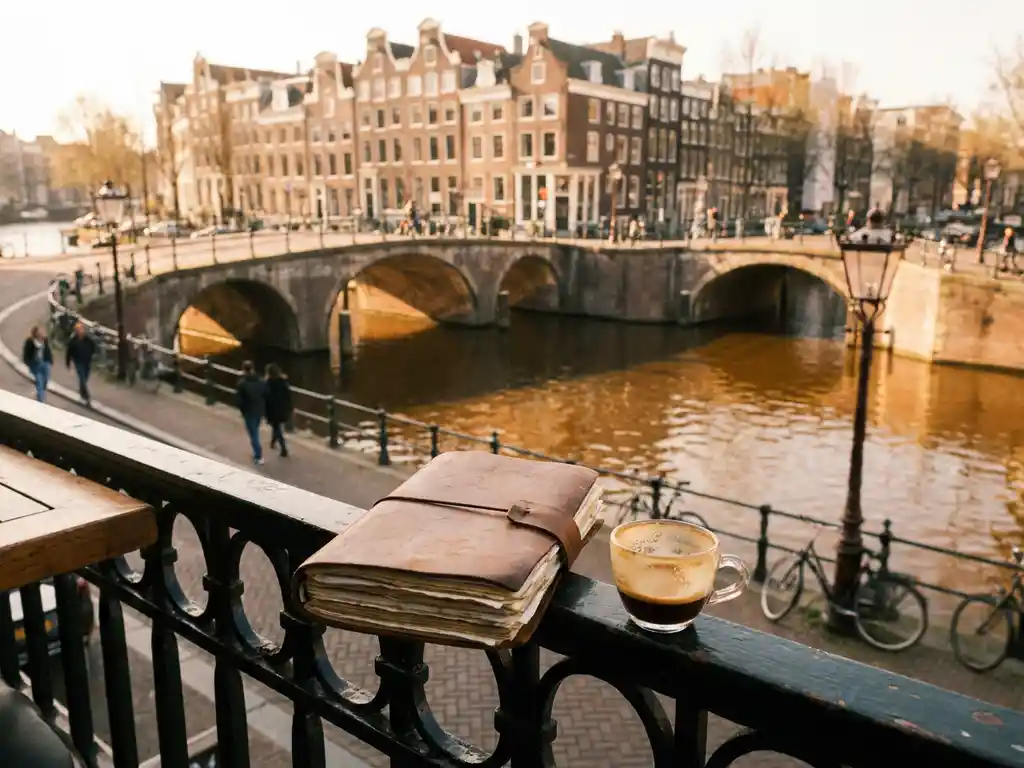
A long weekend in Amsterdam — three or four days — is genuinely enough time to get a real feel for the city, provided you stop trying to see everything and start being selective. Amsterdam rewards depth over breadth. The visitors who leave feeling like they actually understood the place are rarely the ones who sprinted through every museum on the tourist checklist. Below, I answer the questions that actually matter before you arrive.
How many days do you actually need to see Amsterdam properly?
Three full days is the honest minimum to experience Amsterdam beyond the postcard version. Four days is the sweet spot for a long weekend. With three days, you can explore two or three neighbourhoods properly, visit one or two major attractions without feeling rushed, eat well, and get a genuine sense of how the city moves. More than five days and you start running out of central city to discover.
The mistake most visitors make is treating Amsterdam like a capital city with an inexhaustible list of districts. It is not London or Paris. The historic centre is compact, and the neighbourhoods worth your time sit within cycling distance of each other. What takes time is not covering ground — it is slowing down enough to actually absorb what you are seeing.
If you only have two days, concentrate entirely on the Jordaan and the canal belt, eat at a neighbourhood brown café, and skip the Rijksmuseum queue entirely unless you have booked well in advance. Two days of depth beats two days of frantic ticking.
What are the most overrated things to do in Amsterdam?
The most overrated Amsterdam experiences are the Heineken Experience, the Anne Frank House queue without a pre-booked ticket, and any canal tour that boards near Centraal Station. None of these are bad in themselves — the Anne Frank House is genuinely moving — but the way most visitors approach them turns them into expensive, exhausting exercises in crowd management rather than meaningful experiences.
The Heineken Experience is essentially a theme park built around a beer brand. If you want a brewery tour, there are smaller, more interesting options in the city. If you want a beer, sit down at a canal-side terrace and order one for a fraction of the price.
The Red Light District walking tour is another one. Thousands of people shuffle through De Wallen every evening on guided tours that reduce a genuinely complex neighbourhood to a set of talking points about legal prostitution and drugs. The area is worth seeing, but it is best experienced early in the morning when it is quiet, not as part of a group of thirty people blocking the narrow streets.
The canal cruise boats that depart from the main tourist piers near Centraal Station are also worth skipping in favour of smaller, independent operators who run routes through the quieter western canals. The difference in experience is significant.
Which Amsterdam neighbourhoods are actually worth your time?
The Jordaan, De Pijp, and Oud-West are the three Amsterdam neighbourhoods most worth your time on a long weekend. The Jordaan is the historic heart of residential Amsterdam — narrow streets, independent shops, and brown cafés that have barely changed in decades. De Pijp is livelier, younger, and more international, with the Albert Cuyp market and some of the best affordable restaurants in the city. Oud-West sits between them in character and is less visited, which is precisely its appeal.
The canal belt itself — the UNESCO-listed ring of seventeenth-century canals — is obviously worth your time, but it functions more as connective tissue between neighbourhoods than as a destination in its own right. Walk or cycle along the Prinsengracht or Keizersgracht in the early morning before the tourist groups arrive and you will understand why people fall in love with this city.
Noord, across the IJ behind Centraal Station, is worth a half-day if you are curious about where Amsterdam’s creative scene has been migrating. The free ferry takes five minutes, and the contrast with the historic centre is striking. It is not essential, but it adds genuine texture to your understanding of the city.
Avoid spending significant time in the immediate vicinity of Centraal Station, Leidseplein, or Rembrandtplein unless you have a specific reason. These areas are fine, but they represent the most tourist-saturated version of Amsterdam and the least representative of how the city actually lives.
What’s the best way to get around Amsterdam on a long weekend?
The best way to get around Amsterdam on a long weekend is by bicycle. Full stop. Amsterdam is one of the most cycle-friendly cities in the world, the distances between neighbourhoods are short, and cycling puts you at street level in a way that trams and taxis simply do not. Rental bikes are widely available and inexpensive, and within twenty minutes of picking one up you will understand why locals consider the bike the only serious mode of transport.
If cycling is not an option, the tram network is excellent and covers most of the central city effectively. A multi-day OV-chipkaart or a tourist travel card loaded with credit will get you onto trams, buses, and the metro without the friction of buying individual tickets each time.
Taxis and ride-share apps exist and work, but they are expensive relative to other options and largely unnecessary for central Amsterdam. Walking is underrated for the canal belt specifically — the distances look larger on a map than they feel on foot, and you will notice far more at walking pace than from a tram window.
One practical note: if you rent a bike, lock it properly with both the frame lock and a separate chain lock attached to a fixed object. Bike theft in Amsterdam is not a myth.
Where should you actually eat in Amsterdam without getting ripped off?
The best cheap restaurants in Amsterdam are concentrated in De Pijp, the Jordaan, and along the streets immediately surrounding the Albert Cuyp market. As a general rule, the closer a restaurant is to a major tourist attraction or a canal-side terrace with laminated menus and photographs of the food, the worse the value. Walk two streets back from the main tourist corridors and the quality goes up and the prices come down.
Indonesian food is the single best value category in Amsterdam. The Netherlands has a deep historical connection with Indonesia, and the city has some genuinely excellent Indonesian restaurants that offer rijsttafel — a spread of small dishes — at prices that represent extraordinary value compared to what you would pay for equivalent quality in most European cities.
For a quick lunch, the Albert Cuyp market in De Pijp is hard to beat. Fresh stroopwafels, raw herring, Dutch cheese, and a range of international street food from vendors who have been trading there for years. It is not a tourist market performing Dutchness — it is a working neighbourhood market that happens to be excellent.
Avoid the tourist trap of eating in the immediate canal-side restaurants on the Prinsengracht or Keizersgracht. The views are lovely, but you are paying a significant premium for the location and the food rarely justifies it. Eat well somewhere cheaper, then take your coffee to the canal.
Should you book Amsterdam attractions in advance or just show up?
For the Anne Frank House and the Rijksmuseum, you must book in advance — showing up without a reservation will almost certainly mean you cannot get in, particularly during peak season. Both attractions operate on timed-entry systems and sell out days or weeks ahead. The Van Gogh Museum also requires advance booking. For everything else in Amsterdam, booking ahead is helpful but rarely essential.
The Anne Frank House is the most important of the three to pre-book. It operates with very limited capacity relative to demand, and the experience of visiting it is significantly better with a morning time slot before the crowds build. If you cannot get a ticket, the Anne Frank House website occasionally releases a small number of same-day tickets at 9am — worth checking, but do not rely on it.
For smaller museums, neighbourhood galleries, and most restaurants, Amsterdam operates with a more relaxed walk-in culture than many European capitals. Brown cafés never require booking. Most neighbourhood restaurants are fine with same-day reservations or even walk-ins, especially for lunch. The exception is popular dinner spots in De Pijp or the Jordaan on a Friday or Saturday evening, where booking a day or two ahead is sensible.
Comedy and live performance venues, including shows and events at Boom Chicago, are worth booking ahead for weekend performances — they sell out more often than visitors expect.
How Klagen Niet Klagen helps you plan your Amsterdam weekend
Planning a long weekend in Amsterdam is easier when you have a guide that tells you the honest version rather than the polished tourist board version. That is exactly what this blog exists to do. At Klagen Niet Klagen, every article is written from thirty-plus years of living, working, and building something real in Amsterdam — not from a press trip or a sponsored itinerary.
- Honest neighbourhood guides that tell you what is worth your time and what is not
- Restaurant and café recommendations from someone who actually eats there regularly
- Cultural commentary that helps you understand the city beneath the surface, not just the surface itself
- An independent, English-language perspective free from tourism board influence or advertorial pressure
If you want more of this kind of insider perspective before your trip, the full blog archive covers Amsterdam life in depth — from the things that make the city genuinely great to the things that drive even its biggest fans quietly mad.
And while you are planning your Amsterdam weekend, do yourself a favour and put Boom Chicago on the list. It has been running comedy and improvisation in Amsterdam since 1993, and a live show there is one of the best evenings you can have in this city — sharp, funny, and entirely unlike anything else on offer. Check the current shows and agenda and book ahead. You will not regret it.
Frequently Asked Questions
What's the best time of year to visit Amsterdam for a long weekend?
Late spring (April to early June) is widely considered the sweet spot — the tulip season is in full swing, the days are long, and the summer crowds have not yet peaked. That said, Amsterdam is a genuinely year-round city. Winter weekends have a quieter, more local atmosphere, canal-side terraces give way to cosy brown cafés, and you will share the Rijksmuseum with a fraction of the August crowd. Avoid late July and August if you are sensitive to crowds and inflated accommodation prices.
Is Amsterdam actually safe for solo travellers or first-time visitors?
Amsterdam is one of the safer major European cities for solo travellers, including solo women travellers. The main risks are practical rather than personal: bike theft, pickpocketing around Centraal Station and the main tourist corridors, and the occasional aggressive tout near the Red Light District. Stay aware in the busiest tourist areas, use the same common sense you would in any European city, and you will almost certainly have no issues whatsoever.
How much should I budget per day for a long weekend in Amsterdam?
A realistic daily budget for Amsterdam, excluding accommodation, sits somewhere between €80 and €150 per person depending on how you eat and what you visit. Accommodation is the biggest variable — central hotels are expensive, and the city’s tourist tax adds a few euros per night on top. You can significantly reduce daily spend by eating at market stalls and neighbourhood restaurants rather than canal-side tourist spots, cycling instead of taking taxis, and being selective about paid attractions rather than trying to visit everything.