
Where do Amsterdam locals actually drink?
Amsterdam locals drink in bruine kroegen (brown cafes), neighbourhood bars in De Pijp, Oud-West, and De Baarsjes, and in small canal-side spots that have no social media presence and no English menu. The defining characteristic is consistency: the same bartender, the same regulars, the same beer taps, year after year.
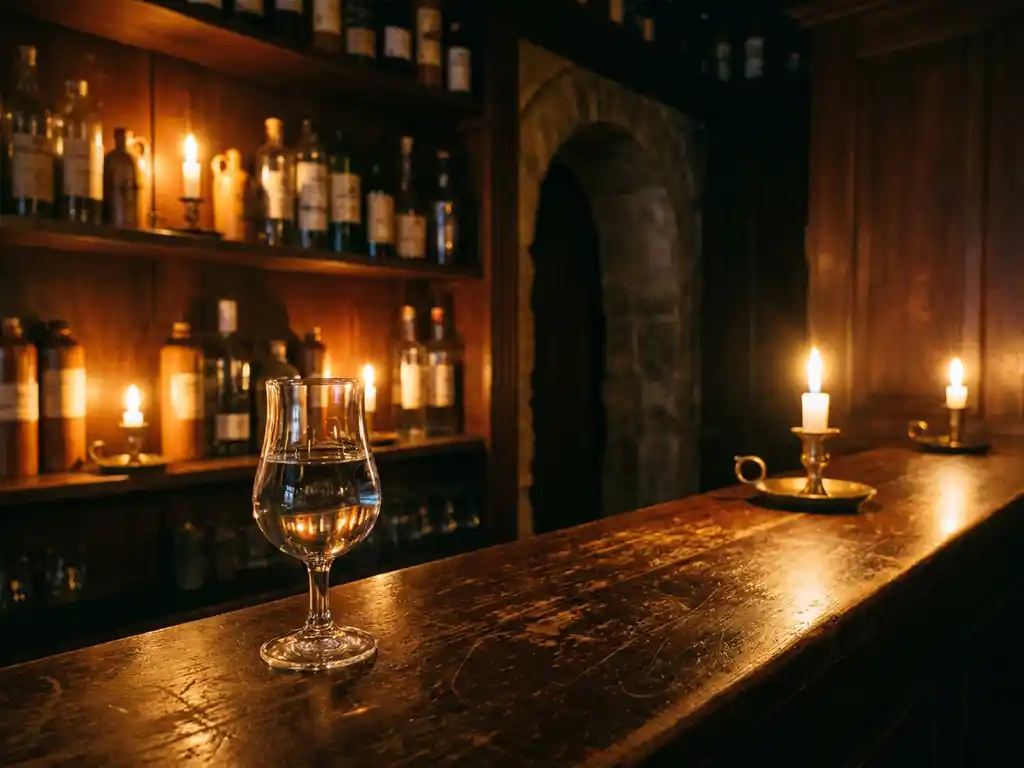
The brown cafe is the spiritual home of Dutch drinking culture. The name comes from the nicotine-stained walls and dark wooden interiors that accumulated over decades of use. These places feel lived-in because they are. You will find a newspaper on the bar, a few older men nursing jenever, and absolutely no cocktail menu. The atmosphere is the product, not an aesthetic choice made by a designer.
Beyond brown cafes, locals gravitate toward bars attached to cultural venues, neighbourhood sports clubs, and the occasional converted warehouse in Noord or Oost. These spaces serve their community first and visitors second, which is exactly what makes them worth finding. The further you walk from Leidseplein and Rembrandtplein, the more likely you are to stumble into something real.
What makes a bar ‘local’ versus a tourist trap in Amsterdam?
A local bar in Amsterdam has regulars who know the staff by name, prices that have not been inflated to match tourist expectations, and a clientele that is overwhelmingly Dutch. A tourist trap, by contrast, has laminated menus in six languages, branded cocktails named after Dutch painters, and staff trained to turn tables quickly.
The clearest signal is the beer price. A standard draft beer in a genuinely local Amsterdam bar costs noticeably less than in the tourist corridor. If a bar is charging significantly above that benchmark, it is not operating for locals. Another reliable signal is the music volume: local bars tend to keep it low enough to hold a conversation, because the conversation is the point.
Watch the clientele, too. A bar where every other table is occupied by people consulting Google Maps is a bar that has already been discovered. The best local spots have a social gravity of their own: people walk in without hesitation, greet someone they know, and settle in without looking around to see if they are in the right place. That unselfconsciousness is the real marker of an authentic local bar.
What are the best hidden bars Amsterdam locals keep secret?
The best hidden bars Amsterdam locals keep secret include small brown cafes in the Jordaan that predate the neighbourhood’s gentrification, unmarked basement bars near the Spui, neighbourhood locals in De Pijp that have resisted Instagram fame, and a handful of spots in Amsterdam-Noord that only became accessible once the free ferry made the crossing easy.
Rather than naming specific bars (which defeats the purpose and tends to destroy the very thing you are looking for), it is more useful to describe the types of places worth hunting for:
- Old Jordaan brown cafes that opened before the neighbourhood became fashionable and have simply refused to change. Look for hand-painted signs, no outdoor heaters, and a menu that stops at bitterballen.
- Spui-area literary bars with a bookish, older clientele and a tradition of quiet conversation. These places have been serving the same crowd for thirty years.
- De Pijp neighbourhood locals on the smaller streets running parallel to Ferdinand Bolstraat. These serve the people who actually live in the neighbourhood, not the weekend visitors flooding the Albert Cuyp market.
- Amsterdam-Noord hidden spots in repurposed industrial buildings near the NDSM wharf, where the crowd skews younger and more creative but is still overwhelmingly local.
- Oud-West street-corner cafes that anchor their block socially the way corner bars once did in every European city before chain hospitality swallowed the concept.
The common thread is that none of these places are trying to be discovered. They exist for their regulars. Treat them accordingly and you will be welcomed. Walk in expecting the experience to perform for you and you will feel the temperature drop immediately.
Why are the best Amsterdam bars so hard to find online?
The best hidden bars in Amsterdam are hard to find online because they do not want to be found online. Many have no website, no Instagram account, and actively ignore review platforms. Their business model depends on a stable base of regulars, not on a rotating audience of first-time visitors who discovered them through an algorithm.
There is also a structural problem with how online discovery works. Review platforms reward volume and recency, which means the bars that attract the most visitors get the most visibility. This creates a feedback loop that systematically buries quiet, consistent, low-traffic establishments in favour of high-turnover tourist destinations. The best local bars are not losing an SEO competition because they entered it and failed. They never entered it at all.
Word of mouth remains the dominant discovery mechanism for genuinely local Amsterdam drinking spots. You find them through a Dutch colleague, a neighbour, or by simply walking a neighbourhood you do not know and trusting your instincts when a place looks right. That friction is not a bug. It is the filter that keeps them local.
When is the best time to visit Amsterdam bars like a local?
The best time to visit Amsterdam bars like a local is on weekday evenings, particularly Tuesday through Thursday, when the tourist crowd is thinner and the regular clientele fills the seats. Sunday afternoons also have a particular local character in Amsterdam: the city slows down, people linger over a beer, and the atmosphere is unhurried in a way that weekend nights never quite manage.
Avoid Friday and Saturday nights in any bar that has become even slightly well-known. By that point, the tourist-to-local ratio has tipped in the wrong direction. The regulars either arrive early or skip those nights entirely. If you want to experience a bar the way its regulars do, come on a Tuesday at seven in the evening, order without consulting your phone, and stay for two hours.
Seasonally, autumn and winter are when Amsterdam’s bar culture is at its most authentic. The summer months bring a surge of visitors and push locals toward terraces and parks. From October onward, the city contracts back into itself. The brown cafes fill up with people who are genuinely there for the warmth, the conversation, and the beer, not for the experience of being in Amsterdam.
What should you order to fit in at an Amsterdam local bar?
To fit in at an Amsterdam local bar, order a pils (a small draft lager, typically Heineken or Amstel), a jenever (Dutch gin, served neat in a small tulip glass), or a kopstoot (a beer paired with a jenever, drunk together). These are the three foundational orders of Dutch bar culture and signal immediately that you know what you are doing.
Avoid ordering craft cocktails, wine by the glass, or anything that requires a lengthy explanation. Local Amsterdam bars are not cocktail bars. They are places built around simple, consistent drinks served quickly and without ceremony. Ordering something complicated in a brown cafe is the social equivalent of asking for a vegan menu at a traditional Dutch butcher. It is not offensive, but it marks you as someone who does not understand where they are.
A few additional notes on bar etiquette that locals follow instinctively:
- Pay as you go or keep a tab, but settle promptly when you are ready to leave. Lingering over the bill is not the local style.
- Do not rearrange furniture or drag chairs from other tables without checking. Space is communal and managed by unspoken rules.
- Keep your voice at a level that does not dominate the room. Dutch bar culture values conversation, not performance.
- If the bartender is busy, wait. Signalling impatiently is noticed and remembered.
The bitterballen are almost always worth ordering. These deep-fried Dutch snacks are the universal bar food of Amsterdam, and a shared plate of them is one of the most reliable social lubricants in the city.
How Klagen Niet Klagen helps you find the real Amsterdam
Finding the genuinely local side of Amsterdam requires exactly the kind of insider knowledge that tourism guides and review platforms cannot provide. That is precisely what Klagen Niet Klagen exists to offer: honest, experienced, opinionated commentary on Amsterdam city life written from the inside. Here is what you get from this blog that you will not find anywhere else:
- Long-form essays on Amsterdam culture, neighbourhoods, and social dynamics written by someone who has lived and worked here for over three decades
- A perspective free from tourism board influence, advertorial pressure, or the need to keep anyone happy
- The kind of specific, earned knowledge that comes from actually building something in Amsterdam, not just visiting it
- Regular new pieces covering the city’s contradictions, its hidden corners, and the gap between how Amsterdam presents itself and how it actually works
If this piece gave you a more useful angle on Amsterdam bar culture than you expected, there is more where it came from. Browse the full blog archive for more pieces on Amsterdam life written with the same honesty and without the polish.
And if you want the full Amsterdam experience in one evening, the most direct route is still a night at Boom Chicago. The comedy institution Andrew Moskos co-founded in 1993 has been making locals and visitors laugh together for over thirty years, in a way that no bar crawl quite replicates. Check the show’s agenda and see what is on, because a Boom Chicago night has a way of turning into exactly the kind of Amsterdam evening that people talk about for years afterward. If you have questions, the team is easy to reach via the contact page.
Frequently Asked Questions
How do I start a conversation with locals at an Amsterdam brown cafe without seeming intrusive?
The key is to let the bar do the work for you. Sit at or near the bar rather than claiming a table, order simply, and be patient — Dutch bar culture is not unfriendly, it is just unhurried. A comment about the football on the TV or a nod to the bartender goes further than a direct introduction, and regulars will often open a conversation themselves once they have clocked that you are not behaving like a tourist.
What are the most common mistakes visitors make when trying to blend in at a local Amsterdam bar?
The biggest mistakes are arriving in a large group, photographing the interior, and over-explaining yourself — telling the bartender you found the place on a blog, for instance, is precisely the wrong thing to say. Coming in quietly, ordering without fuss, and not treating the bar as a backdrop for content creation are the three things that will earn you a neutral reception that can warm into a genuine one.
Is it worth learning any Dutch phrases before visiting local Amsterdam bars?
Even a handful of basic Dutch phrases makes a measurable difference in how you are received. ‘Een pils, alsjeblieft’ (a beer, please), ‘Proost’ (cheers), and ‘Mag ik afrekenen?’ (can I pay?) cover most of what you need and signal immediately that you have made some effort. Dutch people are perfectly comfortable switching to English, but the fact that you tried in Dutch is noticed and appreciated in a way that simply opening in English is not.