
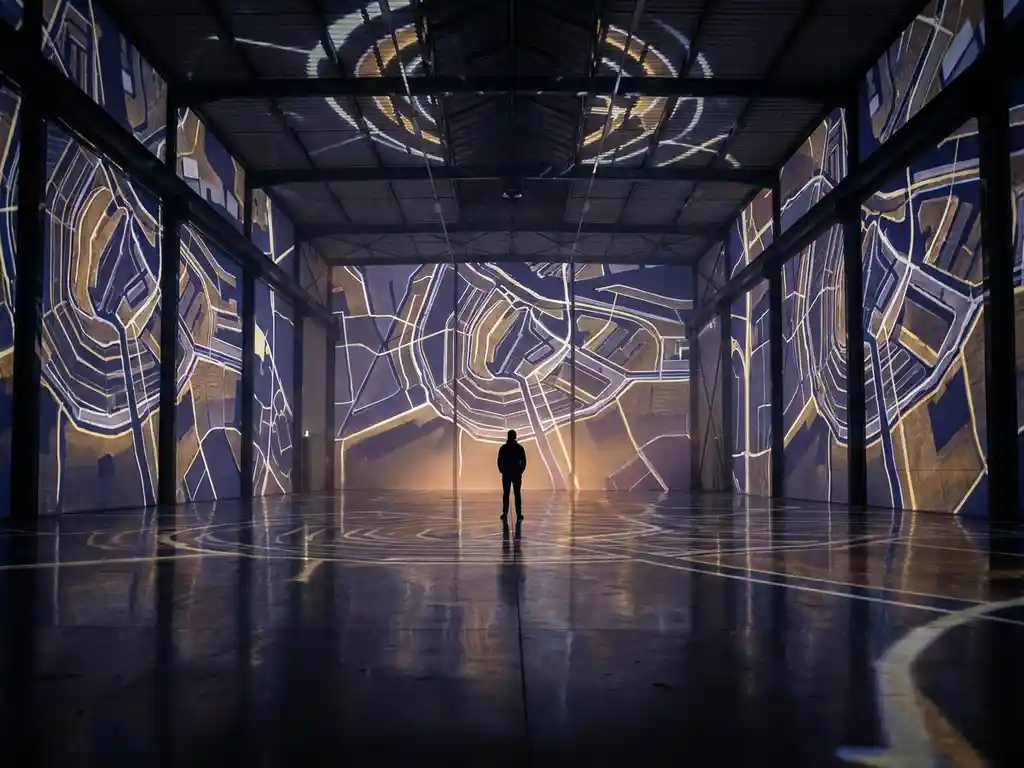
Amsterdam’s best immersive experiences include the Moco Museum’s Van Gogh digital installations, NEMO Science Museum’s hands-on exhibits, and the city’s growing roster of immersive theatre productions. The strongest options combine genuine artistic ambition with production quality that justifies the ticket price. What separates the worth-it experiences from the tourist traps is knowing what you are actually walking into.
Which immersive experiences in Amsterdam are actually worth it?
The immersive experiences in Amsterdam genuinely worth your time and money are those built around a specific artistic vision rather than a generic “wow factor.” The Moco Museum consistently delivers with its digital Van Gogh and Basquiat installations. For immersive theatre, Boom Chicago has been pushing boundaries in Amsterdam since 1993, and several smaller companies now offer site-specific productions across the city’s historic buildings and canal houses.
The honest filter to apply before booking anything is simple: does the experience have a creative director with a point of view, or is it a franchise concept that could be dropped into any city in the world? Amsterdam has both, and the difference is immediately obvious once you are inside.
- Moco Museum — consistently strong digital art installations with genuine curatorial intent
- Boom Chicago — live immersive comedy and improvisation theatre rooted in Amsterdam’s culture
- Site-specific theatre productions — smaller companies using Amsterdam’s historic spaces in genuinely creative ways
- NEMO Science Museum — participatory and hands-on, particularly strong for mixed adult-and-child groups
Skip the generic “experience” concepts that arrived in Amsterdam after proving profitable elsewhere. They are technically immersive in the sense that you stand inside them, but they offer nothing that connects to this city specifically.
What’s the difference between immersive art and immersive theatre in Amsterdam?
Immersive art in Amsterdam refers to large-scale visual installations where the audience moves through projected or constructed environments — you are a spectator inside a visual space. Immersive theatre places you inside a live narrative where performers interact with the audience directly, and your presence shapes the experience. The key distinction is passive versus active participation.
Immersive art experiences like digital museum installations are generally lower stakes and easier to navigate. You move at your own pace, there is no social pressure, and the experience is consistent across visits. They work well for a wide range of visitors, including those who prefer observation over interaction.
Immersive theatre is a fundamentally different proposition. The best productions in Amsterdam put you in rooms where something unexpected happens, where performers break the fourth wall and the script adapts around the audience. This format has a longer tradition in the city than most visitors realise. Boom Chicago, for example, has been building audience-performer relationships in Amsterdam for over three decades, and that history shows in how naturally the form sits here.
How do Amsterdam’s immersive experiences compare to other cities?
Amsterdam punches above its weight in immersive theatre relative to its size, largely because of a strong local tradition of experimental performance and a culturally adventurous audience. In immersive art installations, Amsterdam follows rather than leads global trends, with most major concepts arriving here after successful runs in London, New York, or Tokyo.
What Amsterdam does better than almost any city is the integration of historic space into immersive work. A 17th-century canal house or a repurposed industrial building in Noord creates an atmospheric backdrop that cities built in the 20th century simply cannot replicate. When Amsterdam producers use the city’s architecture intelligently, the results are hard to match anywhere.
London and New York have more volume and more experimental edge at the top end of immersive theatre. But Amsterdam’s scale means you are more likely to end up in an intimate, genuinely surprising experience rather than a polished but slightly corporate production designed for maximum throughput.
Are immersive experiences in Amsterdam suitable for non-Dutch speakers?
Most immersive art experiences in Amsterdam require no language at all — they are visual and sensory, making them fully accessible to non-Dutch speakers. For immersive theatre, the picture is more varied, but a significant portion of Amsterdam’s live performance scene operates in English, reflecting the city’s large international community and its long history as a hub for English-language theatre.
Boom Chicago performs entirely in English and has done so since its founding. Several other companies producing immersive or site-specific work in Amsterdam also use English as their primary language, particularly those targeting international audiences. It is always worth checking the language of a specific production before booking, but the assumption that you need Dutch to access Amsterdam’s theatre scene is simply wrong.
For non-English speakers beyond Dutch, the visual and sensory immersive art installations remain the safest choice, as they communicate entirely through image, sound, and space.
When is the best time to visit immersive venues in Amsterdam?
The best time to visit immersive venues in Amsterdam is during the week, outside school holidays, and ideally in the quieter months between November and March. Crowds are the single biggest enemy of an immersive experience — the more people packed into a space, the less the environment can work on you. Amsterdam’s peak tourist season runs from April through August, and popular venues feel the pressure.
Evening slots at immersive theatre productions tend to outperform daytime ones simply because the audience is more relaxed and socially primed for participation. A Tuesday evening in January at a well-produced immersive show in Amsterdam is a genuinely different experience from a Saturday afternoon in July at the same venue.
The Amsterdam Light Festival, which runs through the winter months, is worth flagging as a seasonal immersive experience that uses the city’s canals as its stage. It is one of the few large-scale immersive events that actually benefits from Amsterdam’s specific geography and is better here than it would be anywhere else.
How Klagen Niet Klagen helps you find the best things to do in Amsterdam
Knowing which things to do in Amsterdam are genuinely worth your time is harder than it looks. The city has more than enough polished tourism content telling you what to do. What it lacks is honest, experienced commentary from someone who has actually built something here and watched the scene evolve over decades.
- Unfiltered opinions on what is worth the ticket price and what is not
- Context on Amsterdam’s cultural scene that goes beyond the standard tourist narrative
- Long-form essays on city life written from inside the creative and entrepreneurial community
- A consistent editorial voice you can trust, free from advertorial pressure or tourism-board influence
If you want commentary on Amsterdam that treats you as an intelligent adult, explore the full blog archive or head to the Klagen Niet Klagen homepage to get a sense of what the blog is about.
And if you want to experience what immersive, audience-driven performance actually feels like when it is done by people who have been perfecting it since 1993, come and see a show at Boom Chicago. It is the kind of evening that reminds you why Amsterdam’s live scene is worth paying attention to. Check the current shows and agenda or get in touch if you want to know more.
Frequently Asked Questions
How far in advance should I book immersive theatre tickets in Amsterdam?
For well-regarded productions like Boom Chicago, booking at least a week ahead is advisable during peak tourist months (April through August), and even further in advance for weekend slots. Smaller site-specific productions often have limited capacity by design, meaning they can sell out weeks before the date. Booking early also gives you the pick of the better seats or time slots, which can meaningfully affect the quality of your experience.
What should I wear or bring to an immersive experience in Amsterdam?
For immersive art installations, comfortable shoes are the main practical consideration — you will be on your feet and moving through large spaces for an extended period. Immersive theatre productions occasionally involve physical movement, unexpected environments, or intimate spaces, so avoid restrictive clothing and check the venue’s guidance when booking. Some site-specific productions take place in historic buildings that can be cool or uneven underfoot, so layers and flat shoes are a sensible default.
Are Amsterdam's immersive experiences worth it for solo visitors, or are they better with a group?
Immersive art installations work just as well solo — the experience is self-directed and your pace is your own, making them an ideal option for independent travellers. Immersive theatre, on the other hand, tends to be more rewarding with at least one companion, partly because audience participation dynamics shift when you are not alone, and partly because the shared experience is a large part of what makes it memorable. That said, Boom Chicago regularly draws solo visitors and the format is welcoming enough that arriving alone is never awkward.