
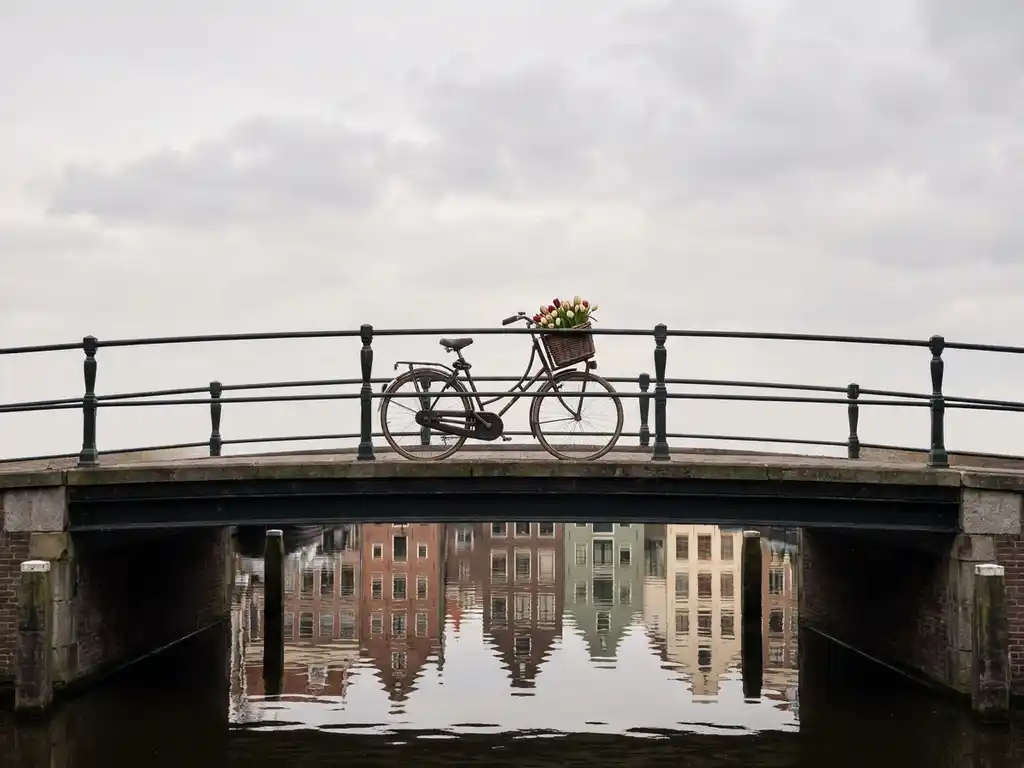
Amsterdam has an enormous amount to offer — far more than the famous museums and coffee shops that dominate most travel lists. The city rewards curiosity: live comedy, neighbourhood markets, canal-side cycling, world-class food, and a genuinely vibrant local culture that most visitors never experience. Whether you are visiting for a weekend or have lived here for years, the real things to do in Amsterdam are found by looking slightly off the beaten path.
What do locals actually do in Amsterdam that tourists miss?
Locals in Amsterdam spend their time in neighbourhood spots that rarely appear in travel guides: the Albert Cuyp Market in De Pijp, the Hallen food hall in Oud-West, the quiet brown cafes of the Jordaan, and the parks — especially Vondelpark and Westerpark — where the city genuinely exhales. The gap between tourist Amsterdam and local Amsterdam is wide, and crossing it is mostly a matter of direction.
A few things that locals genuinely do and tourists typically miss:
- Cycling everywhere, not just on rental bikes along the canal ring but through residential neighbourhoods like De Baarsjes and Noord
- Eating Indonesian food — Amsterdam’s rijsttafel tradition is one of the best culinary legacies of Dutch colonial history and still thrives here
- Visiting Amsterdam Noord, which has transformed into one of the most creatively interesting parts of the city, reachable by free ferry from Central Station in minutes
- Attending neighbourhood events, open studios during Amsterdam Art Weekend, or smaller music venues like Paradiso and Melkweg rather than stadium concerts
- Sitting in a brown cafe for two hours with a beer and a newspaper, which is not laziness — it is a cultural practice
Is Amsterdam worth visiting beyond the Rijksmuseum and Anne Frank House?
Yes, emphatically. The Rijksmuseum and the Anne Frank House are genuinely important, but they represent a narrow slice of what Amsterdam actually is. The city’s real character lives in its architecture, its water, its neighbourhoods, and its people — none of which require a timed entry ticket.
The canal ring alone is a UNESCO World Heritage Site, and walking or cycling it without a destination is one of the best free things to do in Amsterdam. Beyond that, the Stedelijk Museum for modern art, the Eye Film Institute in Noord, and the FOAM photography museum all offer world-class cultural experiences without the queues. The city’s food scene has become genuinely excellent, and its live performance culture — comedy, theatre, music — punches well above its weight.
What’s the best way to experience Amsterdam’s comedy and live performance scene?
The best way to experience Amsterdam’s live performance scene is to book ahead and go on a weeknight, when venues are more intimate and the energy is less tourist-heavy. Amsterdam has a strong tradition of English-language performance, which makes it unusually accessible for international visitors and expats alike.
Boom Chicago, the comedy and improvisation theatre founded on the Leidseplein, has been a cornerstone of Amsterdam’s English-language performance scene since 1993. It introduced improvisation theatre to the Netherlands and has grown into an internationally recognised company — while remaining rooted in the city. For visitors who want to understand Amsterdam’s humour and creative culture from the inside, a Boom Chicago show is one of the most genuinely local things to do in Amsterdam that also happens to be brilliant entertainment. Check the shows and agenda to see what is on.
When is the best time of year to visit Amsterdam?
The best time to visit Amsterdam depends on what you want from the city. Late spring — April through early June — offers tulip season, King’s Day on 27 April, and long days without the peak summer crowds. September is arguably the most liveable month: warm enough, quieter than August, and full of cultural events as the city’s autumn season kicks off.
Summer (July and August) is the most popular time, which means it is also the most crowded. The city is genuinely beautiful in summer, but the canal ring can feel overwhelmed. Winter has its own appeal — the Christmas markets, quieter museums, and a more authentic feel as the tourist layer thins. If you want to see Amsterdam as its residents experience it, avoid the school holiday peaks and come in shoulder season.
What are the most overrated things to do in Amsterdam?
The most overrated things to do in Amsterdam are the ones that exist primarily because tourists expect them to. The Red Light District walking tour, the cannabis coffee shop experience, and the cheese and clogs shops near Dam Square are all real parts of Amsterdam’s landscape — but they are not representative of the city, and spending significant time on them means missing what actually makes Amsterdam interesting.
The Anne Frank House is not overrated — it is genuinely important — but the queue and the booking process can consume more of a short trip than they should. The canal boat tours are scenic but passive; you see more and understand more on a bicycle. And the so-called “hidden gems” that every travel blog lists are, by definition, no longer hidden. The most overrated thing to do in Amsterdam is to follow someone else’s list without questioning it.
How do you find things to do in Amsterdam like a resident, not a tourist?
Finding things to do in Amsterdam like a resident means shifting your information sources away from tourism platforms and toward the city’s own cultural infrastructure. Residents use local event listings, follow neighbourhood organisations, and rely on word of mouth from people who actually live here — not TripAdvisor rankings or sponsored travel content.
A few practical approaches:
- Follow Amsterdam’s cultural institutions directly — the Stedelijk, EYE, Paradiso, and Melkweg all have their own calendars and mailing lists
- Walk neighbourhoods without a map — De Pijp, the Jordaan, and Oud-West reward aimless exploration far more than the tourist centre does
- Eat where there is no English menu outside — a reliable if imperfect proxy for a place that exists for residents rather than visitors
- Read commentary written by people who actually live here — not travel journalists on a press trip, but long-term residents with a genuine point of view
- Ask locals — Dutch directness, which can feel abrasive in other contexts, is genuinely useful when you want an honest recommendation
The underlying principle is simple: treat Amsterdam as a city to understand rather than a set of attractions to complete.
How Klagen Niet Klagen helps you find the real Amsterdam
Most English-language content about things to do in Amsterdam is written for people who will spend three days here and leave. Klagen Niet Klagen is written for people who want to understand the city — whether they are visiting, newly arrived, or have lived here for decades and still find it surprising.
- Long-form essays on Amsterdam city life written from over thirty years of lived experience
- Honest cultural commentary that names the contradictions and tensions that travel guides smooth over
- An insider perspective on what the city actually is, not what the tourism board wants you to think it is
- Regular new pieces covering everything from Dutch social norms to neighbourhood change to what is actually worth your time
If you want Amsterdam commentary that respects your intelligence, browse the full blog archive or start at the Klagen Niet Klagen homepage.
And if you want to experience Amsterdam’s live performance culture firsthand, Boom Chicago on the Leidseplein is the place to go. It has been making audiences laugh — and think — since 1993, in a way that is entirely, unmistakably Amsterdam. See what is coming up at Boom Chicago and book a show while you are in the city. It is one of the best things to do in Amsterdam, and that is not a tourist tip — it is a local one.
Frequently Asked Questions
How much time do I actually need in Amsterdam to get beyond the tourist highlights?
Three days is the minimum to scratch beneath the surface — one day for the unmissable (the Rijksmuseum, a canal walk), and two days to explore neighbourhoods like De Pijp, Oud-West, and Amsterdam Noord at a genuinely unhurried pace. A long weekend of four or five days gives you enough time to stumble into the kind of unplanned experiences — a neighbourhood market, a brown cafe, a last-minute show at Boom Chicago or Paradiso — that actually make Amsterdam memorable. If you only have 48 hours, pick one neighbourhood and go deep rather than trying to cover the whole city.
What's the best way to get around Amsterdam without feeling like a tourist?
Rent a proper city bike from a local shop rather than one of the brightly coloured tourist rental fleets, and cycle the way residents do — with purpose and confidence, following the flow of traffic. The GVB tram network is excellent for longer distances and is used daily by locals, making it a far more authentic experience than hop-on hop-off buses. Avoid the canal pedalo boats and tourist shuttles entirely; they signal to the city (and to yourself) that you are there to observe rather than participate.
Are there common mistakes first-time visitors to Amsterdam make that are easy to avoid?
The most common mistake is over-scheduling — Amsterdam’s best experiences tend to be unplanned, and a tightly packed itinerary leaves no room for the city to surprise you. Second is clustering entirely around the canal ring and Museumplein, which means missing the neighbourhoods where Amsterdam’s actual character lives. Third is booking everything through aggregator platforms rather than going directly to venues and institutions, which often means paying more, getting worse seats, and missing events that simply aren’t listed outside the city’s own cultural channels.