
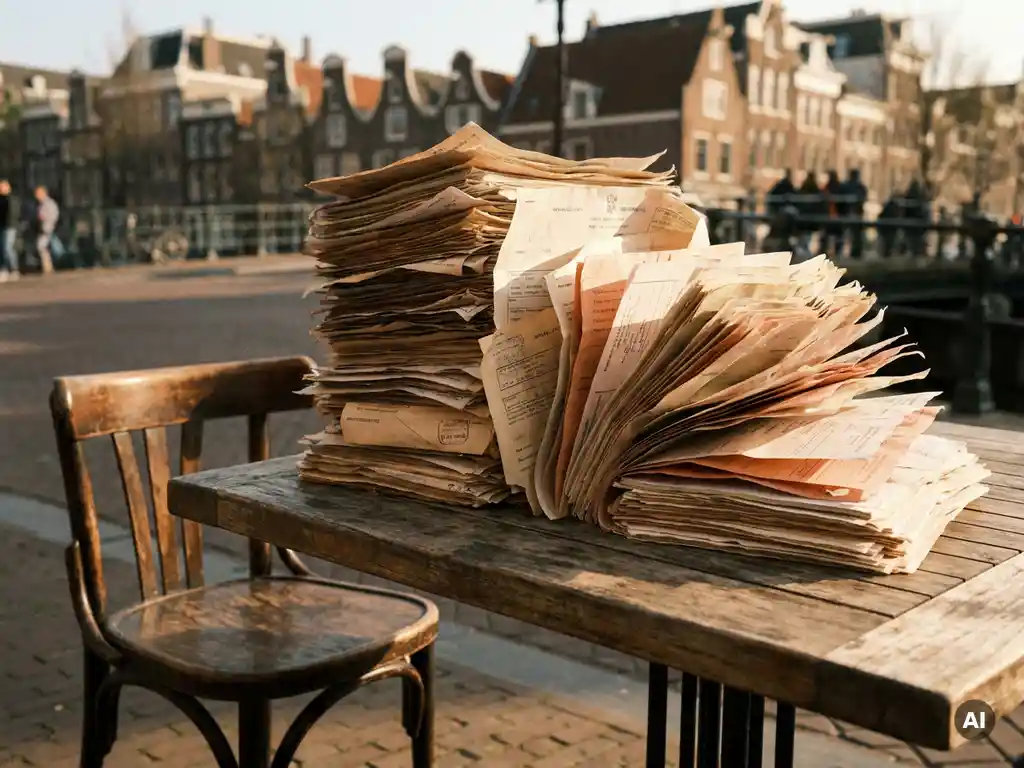
Amsterdam makes terrace permit applications so bureaucratic because the city is managing an exceptionally complex set of competing interests in a very small amount of space. Canals, cycling infrastructure, pedestrian flow, heritage protections, and neighbourhood liveability all have to coexist on streets that were never designed for mass outdoor hospitality. The rules are not arbitrary; they reflect real tensions. But that does not make them any less maddening to navigate.
Below, the most common questions about terrace permits in Amsterdam get direct answers, from who makes the decisions to how long the whole process actually takes.
Who actually decides whether a café gets a terrace?
The Municipality of Amsterdam decides whether a café or restaurant receives a terrace permit, specifically through the district offices (stadsdelen). Amsterdam is divided into several administrative districts, and each one handles permit applications for its own area. This means the rules are applied locally, and the person reviewing your application works at district level, not city hall.
In practice, multiple departments often weigh in. Traffic and public space departments assess whether a terrace obstructs pedestrian or cycling routes. Heritage bodies get involved if the location falls within a protected cityscape. Neighbourhood consultation processes can also influence outcomes, particularly in residential areas where residents have formal channels to raise objections. It is a genuinely collective decision, which is part of why it takes so long.
What rules do Amsterdam terrace permits actually cover?
A terrace permit application in Amsterdam covers a wide range of physical and operational requirements. These include the exact dimensions and placement of the terrace, the type of furniture allowed, permitted hours of operation, rules around heating and lighting, and whether any form of enclosure or canopy is acceptable. Each element is regulated separately.
The city distinguishes between different terrace types: a terrace on a public pavement is treated differently from one on a private forecourt or a floating terrace on a canal. Key requirements typically include:
- A minimum clearance for pedestrian passage (usually at least 1.5 metres on the pavement)
- Furniture that meets city aesthetic guidelines, particularly in heritage zones
- No permanent structures without additional building permits
- Seasonal restrictions in some locations, limiting terraces to warmer months
- Noise and closing time rules tied to the broader horecavergunning (hospitality licence)
The terrace permit does not exist in isolation; it sits alongside the main hospitality licence, any alcohol licence, and sometimes a separate environmental permit. Getting all of these aligned is where things get genuinely complicated.
Why is Amsterdam’s terrace permit process so much stricter than other European cities?
Amsterdam’s terrace permit process is stricter than most European cities because the city combines an unusually dense historic urban fabric with some of the highest pedestrian and cycling volumes on the continent. Streets that look wide on a map are actually shared between cyclists, pedestrians, parked bikes, delivery vehicles, and tourists, all at the same time. Adding a terrace into that equation requires real scrutiny.
There are also several layers of protection that other cities simply do not have to the same degree. The historic canal ring is a UNESCO World Heritage Site, which means that anything visible from the street, including terrace furniture and signage, is subject to aesthetic review. Amsterdam’s welstandscommissie (beauty commission) can reject designs that clash with the character of a protected area.
Beyond heritage, Amsterdam has faced significant pressure from overtourism for years. City policy has become increasingly cautious about anything that expands the hospitality footprint in already saturated neighbourhoods. A terrace is not just a business decision; it is a land-use decision in one of Europe’s most contested urban environments. That context shapes every step of the application process.
How long does it take to get a terrace permit in Amsterdam?
Getting a terrace permit in Amsterdam typically takes between eight and sixteen weeks from the point of submitting a complete application, though complex cases or applications in heritage zones can take significantly longer. If the application triggers a public consultation or objection period, the timeline extends further. Incomplete applications restart the clock.
The most common reasons for delays include:
- Missing documentation, floor plans, dimensions, or furniture specifications not submitted upfront
- Location-specific complications, such as proximity to a canal, a monument, or a busy cycling route
- Objections from neighbours or local resident associations
- Coordination required between multiple city departments
- Seasonal application peaks, particularly in late winter when operators apply ahead of summer
The practical advice from anyone who has been through the process is to apply earlier than feels necessary and to get the paperwork right the first time. Amsterdam’s district offices are not known for speed, and there is no fast-track option for most applicants. If you are planning to open a terrace for the summer season, submitting in January is not overcautious; it is realistic.
How Klagen Niet Klagen helps you make sense of Amsterdam’s rules
Amsterdam’s bureaucracy is not going to simplify itself anytime soon. But understanding why the rules exist, and how they actually work, makes the whole thing a little less infuriating. That is exactly what Klagen Niet Klagen is here for: honest, insider commentary on Amsterdam life written by someone who has been navigating this city’s systems for over thirty years.
- Long-form essays and opinion pieces on Amsterdam policy, city life, and the contradictions that make this city endlessly interesting
- A perspective rooted in real experience, not tourism boards, not press releases, not anonymous bloggers
- Content written for expats, international visitors, and curious locals who want more than surface-level takes
- Regular new pieces covering the cultural, political, and bureaucratic realities of living in Amsterdam
If this kind of commentary is what you have been looking for, find out more about the blog and explore what else is in the archive. There is plenty more where this came from.
And if you want to experience Amsterdam’s creative energy in a completely different way, come and see what Boom Chicago has been doing since 1993. The same sharp, honest, Amsterdam-rooted perspective that runs through this blog has been fuelling some of the best live comedy in the Netherlands for decades. Check the shows and agenda; it is a very good night out.
Frequently Asked Questions
What is the single most common mistake operators make when applying for a terrace permit in Amsterdam?
The most common mistake is submitting an incomplete application — particularly missing accurate floor plans, precise terrace dimensions, or furniture specifications. Amsterdam’s district offices will not process incomplete files, and any missing document effectively restarts the timeline. Before submitting, cross-check your application against the specific checklist published by your stadsdeel, as requirements can vary slightly between districts.
Can I operate my terrace while my permit application is still being reviewed?
No — operating a terrace without a valid permit in Amsterdam is a violation of municipal rules and can result in fines or complications for your broader hospitality licence (horecavergunning). Even if your application is pending, you must wait for formal approval before placing furniture on public space. Some operators mistakenly assume a submitted application grants temporary permission; it does not.
If my terrace permit application is rejected, can I appeal the decision?
Yes, you can submit a formal objection (bezwaar) against a rejected terrace permit decision within six weeks of receiving the ruling. If that objection is also rejected, you have the option to escalate to the administrative court (bestuursrechter). In practice, appeals are most successful when the original rejection was based on procedural grounds or incomplete information rather than a fundamental policy conflict, so addressing the specific reasons for refusal is critical before resubmitting or appealing.