
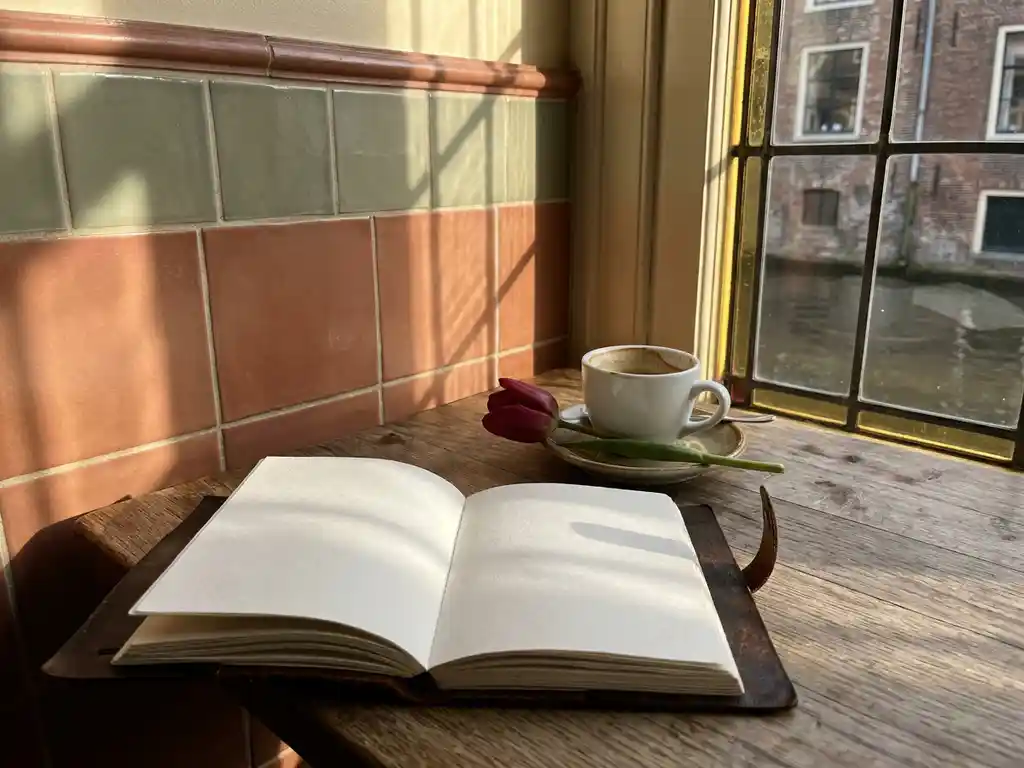
Which neighbourhoods do Amsterdam locals actually live in?
Amsterdam locals are concentrated in De Pijp, Oud-West, the Jordaan, Noord, and the eastern neighbourhoods like Indische Buurt and Watergraafsmeer. These are the areas where Dutch families, long-term expats, and working creatives have put down roots — not because they are undiscovered, but because they still function as genuine residential communities rather than open-air museums.
The Jordaan is the obvious answer, but it deserves a caveat: the western Jordaan closest to the canals has been thoroughly colonised by tourism and short-stay apartments. The parts that still feel lived-in are further north and west, where the streets get quieter and the coffee shops are the kind where people actually live nearby. De Pijp remains one of the most densely populated and culturally mixed neighbourhoods in the city, and despite its reputation for being trendy, it still has enough friction and everyday life to feel real.
Noord has become the go-to answer for anyone priced out of the south or west. Since the North-South metro line opened, it is no longer the isolated outpost it once was. Neighbourhoods like Buiksloterham and the streets around the NDSM wharf have attracted a younger, creative crowd who actually want to live there rather than rent it out on a platform.
Where do Amsterdam locals go for coffee and lunch?
Amsterdam locals go to neighbourhood cafés and lunch spots that are not on any influencer map — places in De Pijp, Oud-West, and Noord where the staff recognise the regulars and the menu does not include a QR code. The local coffee scene is genuinely excellent, but the best spots are neighbourhood institutions, not tourist destinations.
The key distinction is between coffee bars that exist to serve the neighbourhood and those that exist to be photographed. Locals gravitate toward the former. A good rule of thumb: if the queue outside is mostly people with luggage or people holding up their phones to photograph their latte art, keep walking. If the queue is locals on their way to work, you have found the right place.
For lunch, the Albert Cuyp market in De Pijp is a genuine local institution that also happens to attract tourists, which means it is worth navigating the crowds. The Dappermarkt in the east is less famous and more authentically local. For sit-down lunch, the side streets of Oud-West and the quieter end of the Jordaan consistently deliver quality without the premium that comes with a canal view.
What bars and cafés do Amsterdam locals prefer?
Amsterdam locals prefer the traditional brown café, or bruine kroeg, over the cocktail bars and craft beer temples that have multiplied across the city centre. A good bruine kroeg is dark, slightly worn around the edges, serves jenever and Dutch beer, and has been in the same family for decades. These are the places where locals actually spend their evenings.
The bruine kroeg is not just an aesthetic preference — it represents a different relationship with drinking and socialising. You go to sit, talk, and stay for hours. The bar at Café Hoppe on the Spui has been doing this since 1670. Café ‘t Smalle in the Jordaan is another genuine institution. Neither is a secret, but both remain fundamentally local in character because the format itself resists the kind of turnover that tourist bars depend on.
In Noord, the bar scene around the NDSM wharf and Tolhuistuin has developed its own identity — less traditional, more industrial in aesthetic, but equally serious about being a place for locals rather than a backdrop for a night out that could happen in any European city. The things to do in Amsterdam that matter to locals almost always involve sitting still somewhere good rather than moving between destinations on a list.
Where do locals in Amsterdam go on weekends?
On weekends, Amsterdam locals head to the Vondelpark, the Amsterdamse Bos, the markets, and the city’s smaller neighbourhood squares — places that function as communal living rooms. They also leave the city entirely, cycling to the surrounding polders, taking the train to Haarlem or Utrecht, or spending time on the water in summer.
The Vondelpark is unavoidable and genuinely beloved, but locals use it differently than tourists. They bring their own food, find a spot they consider theirs, and stay for most of the day. The Amsterdamse Bos, the large forested park in the south, is where locals go when they want the Vondelpark experience without the density. It is enormous, genuinely wild in places, and almost entirely free of the tourist infrastructure that has colonised so much of the city.
Weekend markets are a serious local ritual. The Noordermarkt on Saturday morning is as much a social event as a shopping trip. The IJ-hallen flea market in Noord, held monthly, is one of the largest in Europe and draws a genuinely mixed crowd of locals, collectors, and the occasional tourist who has done their research.
Are there parts of Amsterdam tourists rarely visit?
Yes — the eastern neighbourhoods, most of Noord, the western garden cities, and the outer ring of Amsterdam-West are all areas that tourists rarely visit. These are not hidden gems in the romantic sense; they are simply the parts of the city where ordinary Amsterdam life happens without being curated for an outside audience.
The Indische Buurt and Dapperbuurt in the east are genuinely multicultural, working-class neighbourhoods with excellent street food, local markets, and a density of everyday life that the canal belt has largely lost. They are not picturesque in the way that Amsterdam is sold internationally, which is precisely why they still function as real neighbourhoods.
Noord is the most obvious answer for visitors who have already done the standard circuit. Beyond the NDSM and the Eye Film Museum, which now attract plenty of day-trippers, there are residential streets and community spaces that have no tourism infrastructure at all. The ferry across the IJ is free, takes four minutes, and drops you in a part of the city that still looks like a city rather than a theme park version of one.
How do you experience Amsterdam like a local rather than a tourist?
To experience Amsterdam like a local, slow down, pick a neighbourhood and stay in it, use a bicycle, shop at a market, and eat where the menu is written on a chalkboard rather than a laminated card. The single biggest difference between a tourist experience and a local one is pace — locals are not trying to see everything, because they are not leaving.
The practical steps matter more than the philosophical ones. Renting a bicycle rather than using one of the shared schemes changes your relationship with the city immediately. Staying in a residential neighbourhood rather than the canal belt or the area around Centraal Station means waking up to real Amsterdam morning life. Eating a rijsttafel at a neighbourhood Indonesian restaurant rather than a tourist-facing one is a different experience entirely.
The deeper shift is about accepting that the most interesting things to do in Amsterdam are often not things at all — they are the quality of a particular afternoon in a particular café, or the specific pleasure of cycling a route you know well. Amsterdam rewards familiarity. The more you return to the same places, the more the city reveals itself. That is not a romantic abstraction; it is how the city actually works, and it is something no itinerary can manufacture.
How Klagen Niet Klagen helps you find the real Amsterdam
If you are looking for honest, insider commentary on Amsterdam that goes beyond the standard tourist playbook, Klagen Niet Klagen is the platform built exactly for that. Written by someone who has lived and worked in Amsterdam for over three decades, it offers the kind of perspective that no tourism board would commission and no travel guide would publish.
- Long-form essays on Amsterdam neighbourhoods, culture, and city life written from genuine lived experience
- Opinion pieces that name the tensions and contradictions of the city honestly, without diplomatic softening
- Commentary on what Amsterdam is actually like to live in, not just to visit
- A consistent editorial voice you can trust — not anonymous, not sponsored, not optimised for clicks
If this article gave you a more useful picture of Amsterdam than the usual sources, the blog archive has more where that came from. Read it before your next visit, or read it because you already live here and want someone to say out loud what you have been thinking.
And if you want to experience Amsterdam the way locals actually enjoy it — with sharp humour, genuine warmth, and absolutely no pretension — Boom Chicago has been doing exactly that since 1993. It is the comedy theatre that Andrew Moskos co-founded in Amsterdam, and it remains one of the best things happening in the city on any given evening. Check the shows and agenda and see what is on. It is the kind of night out that locals actually recommend to each other.
Frequently Asked Questions
What's the best way to find a place to stay in Amsterdam that puts you in a real neighbourhood rather than the tourist centre?
Avoid the canal belt between Centraal Station and Leidseplein — that corridor is almost entirely given over to short-stay tourism. Instead, look for accommodation in De Pijp, Oud-West, or Noord, where you will wake up to bakeries, local supermarkets, and morning commuters rather than other tourists. Booking through platforms that list longer-stay apartments or small guesthouses run by residents tends to yield better results than the major short-term rental aggregators, which skew heavily toward investor-owned properties in the most central locations.
Are there any common mistakes visitors make when trying to experience Amsterdam like a local?
The most common mistake is over-scheduling — building an itinerary that treats Amsterdam like a checklist of attractions rather than a city to inhabit for a few days. A second mistake is staying in the centre and then travelling out to ‘local’ neighbourhoods as day trips, which recreates the tourist dynamic even in areas that would otherwise feel genuine. The third, and perhaps most avoidable, is eating near major landmarks out of convenience; even a five-minute walk off the main drag in almost any Amsterdam neighbourhood will find you a better meal at a lower price.
Is Amsterdam genuinely cycle-friendly for visitors, or is that reputation overstated?
The cycle infrastructure is real and extensive, but the learning curve for visitors is steeper than the tourist brochures suggest — Amsterdam cycling has its own unwritten rules, rhythms, and right-of-way conventions that locals follow instinctively. The biggest practical tip is to rent from a local bike shop rather than one of the tourist-facing rental chains near Centraal Station; the bikes are better maintained, the staff will give you honest advice about routes, and you will pay less. Stick to the designated cycle lanes, do not use your phone while riding, and give way to trams — master those three things and the city opens up immediately.