
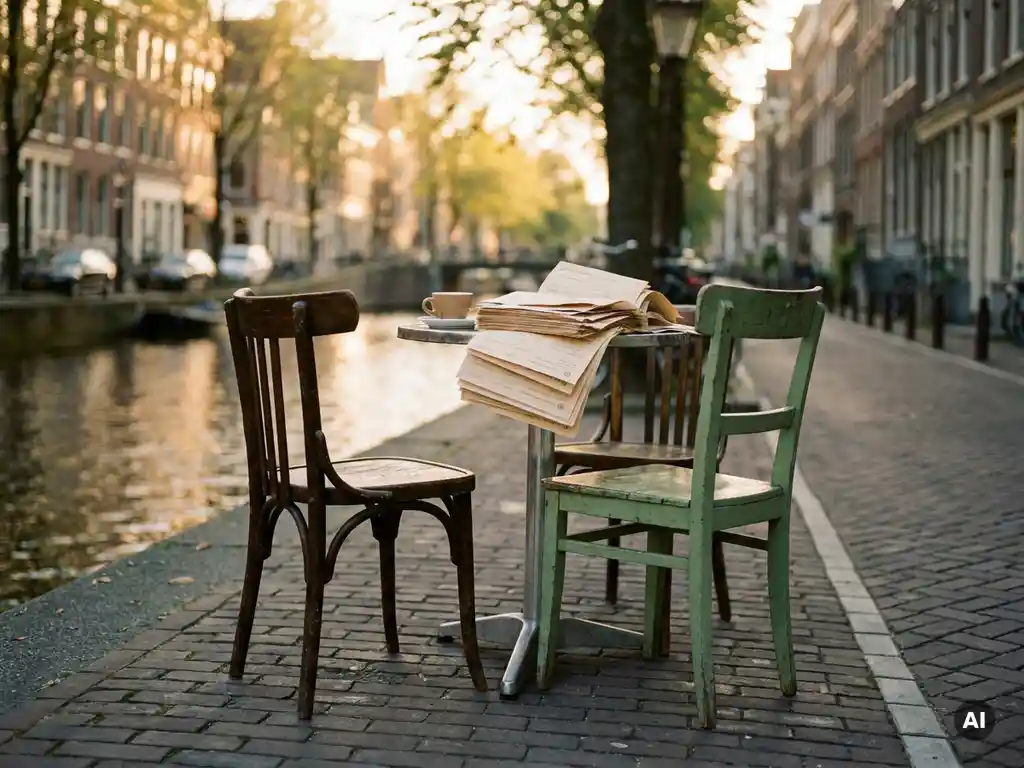
Amsterdam’s terrace permit process is not fair to small business owners, at least not in practice. The system is technically open to all, but in reality it rewards those with the resources, connections, and stamina to navigate a slow, opaque, and often inconsistent municipal bureaucracy. Smaller operators frequently lose out to larger hospitality chains that can absorb delays, hire specialists, and lobby effectively. The sections below break down exactly how the system works, where it fails, and what a fairer version might look like.
Who actually decides which businesses get a terrace permit in Amsterdam?
In Amsterdam, terrace permits are issued by the municipality, specifically through the city’s district offices (stadsdelen) in coordination with the central licensing authority. The decision-making process involves multiple departments, including urban planning, traffic management, and in some cases the local police. No single desk makes the call, which is part of the problem.
A business applying for a terrace permit in Amsterdam must submit plans that comply with the city’s Terrassenbeleid, the official terrace policy, which sets rules on dimensions, furniture types, placement relative to the street, and opening hours. District coordinators then assess whether the proposed terrace fits within the physical and social context of the street. That sounds reasonable on paper. In practice, it means different districts apply the rules differently, and outcomes can vary significantly depending on which civil servant reviews your file and how busy the queue is at the time.
Neighbours and local residents’ committees can also submit objections, which adds another layer of unpredictability for applicants who have done everything right but happen to have a vocal neighbour with a grudge.
What are the biggest complaints small business owners have about the permit process?
The most consistent complaints from small business owners about Amsterdam’s terrace permit process centre on three things: the length of time it takes, the lack of clear communication from the municipality, and the inconsistency in how rules are applied from one street to the next.
A permit application can take several months to process, and during that time a business owner may receive little to no proactive updates. For a small café or restaurant operating on tight margins, a delayed terrace permit is not a bureaucratic inconvenience, it is lost revenue during the spring and summer months when outdoor seating is most profitable.
Other recurring frustrations include:
- Unclear rejection reasons – businesses are sometimes turned down without a detailed explanation, making it difficult to know what to fix and reapply.
- Inconsistent enforcement – some operators see competitors running terraces that appear to violate the same rules they were rejected for, with no apparent consequences.
- High administrative burden – the paperwork and technical requirements are the same whether you are running a 10-seat neighbourhood café or a 200-seat restaurant, which disproportionately affects smaller operators who lack administrative staff.
- Cost of compliance – approved terrace furniture must often meet specific aesthetic standards, which can mean replacing perfectly functional equipment at significant expense.
The cumulative effect is a process that feels designed for those who already have the infrastructure to handle it, not for the independent owner-operator trying to put four tables on the pavement outside their coffee shop.
How does Amsterdam’s system compare to other major European cities?
Compared to other major European cities, Amsterdam’s terrace permit system sits somewhere in the middle, more structured than some southern European cities, but considerably more cumbersome than cities like Copenhagen or Vienna, where streamlined digital application processes and faster turnaround times have become the norm.
In Barcelona, terrace permits are also regulated at the district level and can be similarly slow, but the city has invested in clearer public guidelines and digital tracking tools that give applicants more visibility into where their application stands. In Paris, the terrasse culture is so central to city identity that the municipality has historically been motivated to make the process work, and post-pandemic reforms accelerated permitting significantly to support hospitality recovery.
Amsterdam, by contrast, has been slower to modernise its administrative infrastructure. The city has made digital improvements in some areas of municipal services, but the terrace permit application process in Amsterdam still involves a significant amount of back-and-forth that could be eliminated with better systems. What other cities have learned is that a well-designed permit process does not reduce standards, it just removes unnecessary friction for businesses that are trying to comply.
Should Amsterdam reform its terrace permit rules to level the playing field?
Yes, Amsterdam should reform its terrace permit rules, and the case for doing so is strong. The current system does not intentionally favour large operators over small ones, but that is the practical outcome. Reform does not mean deregulation; it means making the process faster, more transparent, and proportionate to the scale of what is being applied for.
A few reforms that would make a meaningful difference:
- Standardised processing timelines with legally binding response deadlines, so applicants are not left waiting indefinitely.
- A tiered application system that distinguishes between small, straightforward terrace additions and larger, more complex proposals, reducing the administrative burden for smaller operators.
- Plain-language rejection notices that explain exactly what needs to change, giving businesses a real path to reapplication rather than a dead end.
- A single point of contact per application so that business owners are not bouncing between departments with no one taking ownership of the file.
- Consistent cross-district enforcement so that the rules mean the same thing on Haarlemmerdijk as they do on Utrechtsestraat.
Amsterdam’s identity as a city built on trade, creativity, and independent enterprise is not well served by a bureaucratic process that quietly squeezes out the small operators who give neighbourhoods their character. The terraces that make Amsterdam streets feel alive in summer are not owned by chains, they belong to the independent cafés, the family-run restaurants, and the neighbourhood bars that have been here for decades. A permit system that works against them works against the city itself.
How Klagen Niet Klagen covers Amsterdam’s city policies
This is exactly the kind of topic that Klagen Niet Klagen was built for. Not the tourist-friendly version of Amsterdam, but the real one, where policies that sound reasonable in a council meeting create genuine problems for the people actually running businesses and living in the city. Here is what the blog offers on topics like this:
- Honest, independent commentary on Amsterdam city policy written from over three decades of lived experience in the city
- An English-language perspective that expats, international visitors, and globally minded Dutch readers can actually engage with
- A clear editorial framework – Klagen when something is broken, Niet Klagen when the city gets it right
- No tourism board influence, no advertorial pressure, no diplomatic hedging
If you want more of this kind of commentary, browse the full blog archive or find out more about the voice behind it. And if you have a topic you think deserves the Klagen Niet Klagen treatment, get in touch, the inbox is open.
If you enjoy sharp, honest takes on Amsterdam delivered with a comedic edge, then Boom Chicago is the live version of everything this blog stands for. For over thirty years, Boom Chicago has been doing exactly what this blog does, calling Amsterdam out and celebrating it in equal measure, but with better lighting and a drinks menu. Check the shows and agenda and come see what happens when comedy meets the city that never stops giving material. And if you are looking for something more tailored for a professional context, Boom for Business brings that same energy into corporate settings.
Frequently Asked Questions
Can a small business owner appeal a rejected terrace permit in Amsterdam, and is it worth the effort?
Yes, rejections can be formally appealed through the municipality’s objection procedure (bezwaarprocedure), and in some cases escalated to an independent administrative court. Whether it is worth it depends on the reason for rejection — if the denial was vague or inconsistent with how similar applications were handled nearby, an appeal has genuine merit. The process adds more time and cost, which is itself a barrier for small operators, but documented cases of inconsistent enforcement can strengthen your position significantly.
What practical steps can a small café or restaurant owner take right now to improve their chances of getting a terrace permit approved?
The most effective things you can do before submitting are: request a pre-application meeting with your district’s terrace coordinator to flag potential issues early, consult the specific Terrassenbeleid guidelines for your district rather than the general citywide version, and get your technical drawings done by someone familiar with Amsterdam’s formatting requirements. Proactively notifying immediate neighbours before submitting — rather than letting them discover the application through official channels — can also reduce the likelihood of objections derailing an otherwise solid application.
Are there any advocacy groups or organisations in Amsterdam that support small hospitality businesses dealing with permit issues?
Koninklijke Horeca Nederland (KHN) is the main industry association for hospitality businesses in the Netherlands and actively lobbies on permit and regulatory issues at both the municipal and national level — membership gives smaller operators access to legal advice and a collective voice they would not have alone. Amsterdam’s own ondernemersverenigingen (business associations), which are often neighbourhood-specific, can also be useful for sharing information about how local district offices are operating and where the pressure points are. These networks will not fast-track your permit, but they give you information and solidarity that independent applicants often lack.