
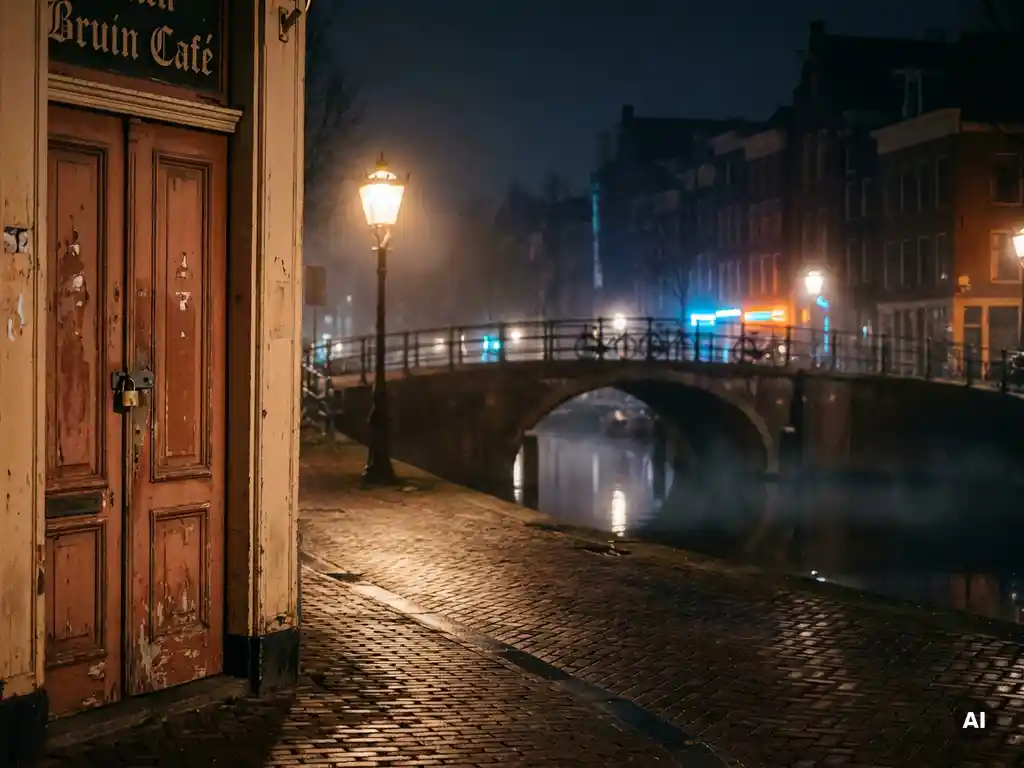
Amsterdam’s hospitality policy directly shapes what venues can do, when they can do it, and whether they survive at all. The municipality sets rules on opening hours, noise levels, licensing, and zoning that determine the character of the city’s nightlife. Those rules have tightened considerably over the past decade, and the effects are visible to anyone who pays attention to which venues are thriving and which have quietly disappeared.
Below, we break down the key questions around Amsterdam’s hospitality regulations and what they mean for the city’s nightlife scene in practice.
What rules do Amsterdam hospitality venues actually have to follow?
Amsterdam hospitality venues must comply with a layered set of rules covering licensing, opening hours, noise limits, and capacity. Every venue needs an exploitatievergunning (operating licence) from the municipality, and most also require a separate alcohol licence under the Dutch Drank- en Horecawet. Opening hours, permitted activities, and sound levels are all conditions attached to those licences.
The practical details depend heavily on the type of venue and its location. A café in the Jordaan operates under different conditions than a club on the Rembrandtplein or a cultural venue in Noord. Key obligations typically include:
- Closing times set by the local zoning category, usually between midnight and 03:00 for standard venues
- Noise ceilings measured at the property boundary, enforced by the municipality’s inspection service (Omgevingsdienst)
- Crowd management requirements, including security staffing above certain capacities
- Compliance with fire safety and building codes as conditions of the operating licence
- Regular renewal and review of licences, which gives the municipality leverage to add or tighten conditions over time
Violations can result in temporary closure, fines, or permanent licence revocation. The municipality has shown it is willing to use those tools, particularly in neighbourhoods where residents have organised around noise and nuisance complaints.
How does Amsterdam’s hospitality policy shape the nightlife scene?
Amsterdam’s hospitality policy shapes the nightlife scene by determining which venues can exist, where they can operate, and how late they can stay open. Policy decisions around zoning, licensing density, and enforcement priorities directly influence whether Amsterdam functions as a genuine nighttime city or one that closes early and plays it safe.
The municipality’s approach has historically been reactive rather than strategic. When complaints rise in a neighbourhood, enforcement tightens. When tourism pressure builds, new restrictions follow. This means the nightlife scene adapts not to a coherent vision but to a shifting set of pressures, which creates uncertainty for venue operators and investors.
One concrete effect is concentration. As central neighbourhoods become harder to operate in, venues cluster in areas with more permissive conditions. This can hollow out the organic, neighbourhood-level nightlife that made Amsterdam interesting in the first place, replacing it with designated entertainment zones that feel more managed than alive.
Why are Amsterdam nightlife venues closing or moving out of the city centre?
Amsterdam nightlife venues are closing or relocating primarily because operating costs, licensing restrictions, and neighbourhood pressure in the city centre have made it economically and practically unsustainable to run late-night venues there. The combination of rising rents, tighter noise enforcement, and resident complaints has pushed many operators to look elsewhere.
Several factors compound each other:
- Residential encroachment: As former industrial or commercial areas near the centre were converted to housing, new residents moved next to existing venues and then complained about noise. The municipality has generally sided with residents, tightening conditions on venues that had operated without issue for years.
- Licence freezes: In some areas, the municipality has capped the number of hospitality licences, meaning new venues cannot open even if a space becomes available.
- Rising property costs: Even where licences are available, rents in the centre have made the margins unworkable for anything other than high-volume, tourist-facing operations.
- Enforcement intensity: Venues in high-tourism areas face more scrutiny, more complaints, and more frequent inspection visits, which increases operational risk.
The result is a gradual migration of serious nightlife venues to Amsterdam Noord, Sloterdijk, and other peripheral areas where space is cheaper and enforcement pressure is lower. Whether this is a loss or a natural evolution depends on who you ask, but it undeniably changes the texture of the city.
What is Amsterdam’s 24-hour nightlife licence and does it work?
Amsterdam’s 24-hour nightlife licence is a special permit that allows a small number of designated venues to operate continuously through the night without a fixed closing time. The licence was introduced to bring Amsterdam in line with cities like Berlin and Barcelona and to reduce the dangerous bottleneck that occurs when thousands of people are forced onto the streets at the same time.
In practice, the scheme is limited in scope. Only a handful of venues hold the permit at any given time, and obtaining one requires meeting strict criteria around sound insulation, security, crowd management, and neighbourhood impact. The application process is demanding, and the municipality retains the right to revoke the licence if conditions are not maintained.
Does it work? Partially. For the venues that hold it, the 24-hour licence has been genuinely transformative, allowing them to build a different kind of night and attract an audience that values depth over volume. But as a city-wide solution to the question of how Amsterdam’s hospitality policy should support nightlife, it remains more symbolic than structural. The number of permitted venues is too small to shift the overall character of the city’s night, and the barriers to entry mean the licence tends to go to already established operators rather than opening space for new voices.
The broader question the licence raises is whether Amsterdam actually wants a serious nighttime economy or whether it wants to manage nightlife down to a controllable minimum. The answer, so far, looks like the latter.
How Klagen Niet Klagen covers Amsterdam hospitality and city policy
If you find yourself frustrated by the gap between what Amsterdam could be at night and what its policies actually allow, you are in good company. Klagen Niet Klagen exists precisely to name that frustration honestly and explore it with the depth it deserves. This is not a tourism blog and it is not a press release. It is long-form commentary on Amsterdam city life written by someone who has been building things here since 1993 and has strong opinions about what the city gets right and what it consistently gets wrong.
- Honest, insider analysis of Amsterdam municipality decisions and their real-world effects
- Commentary on nightlife, culture, and urban policy written without tourism-board influence
- A consistent editorial voice grounded in over three decades of lived Amsterdam experience
- Content for expats, international visitors, and opinionated locals who want more than a listicle
Read more on the about page to understand where the blog is coming from, or browse the archive for more takes on what makes Amsterdam tick and what makes it occasionally maddening.
And if you want to experience Amsterdam’s creative energy in person rather than just read about it, Boom Chicago has been doing exactly that since 1993. The same instinct that drives this blog, sharp observation, honest humour, and genuine love for this city, is what fills the stage every night. Come and see what three decades of Amsterdam-rooted comedy actually looks like.
Frequently Asked Questions
How can a new venue operator realistically get started with the Amsterdam licensing process?
Start by identifying the zoning category of your intended location, as this determines which licences are available and what operating conditions apply before you sign any lease. Submit your exploitatievergunning application to the municipality early, as processing times can run several months, and engage a local legal advisor familiar with the Drank- en Horecawet to avoid common application errors. It is also worth attending neighbourhood consultations proactively, since demonstrating goodwill with residents from the outset can influence how the municipality treats your application and future licence reviews.
What are the most common mistakes venue operators make when dealing with Amsterdam's hospitality regulations?
The single most common mistake is underestimating how much licence conditions can change at renewal, particularly in neighbourhoods where resident complaints have increased since the original permit was granted. Many operators also fail to document their own noise measurements and crowd management logs, leaving them without evidence to contest enforcement decisions. A third frequent error is treating the exploitatievergunning as a one-time hurdle rather than an ongoing relationship with the municipality, which means missing the opportunity to negotiate conditions before they are imposed.
Is relocating to Amsterdam Noord or Sloterdijk actually a viable long-term strategy for nightlife venues, or will the same pressures follow?
In the short to medium term, peripheral areas like Noord and Sloterdijk offer genuine advantages: lower rents, more industrial-zoned space, and less entrenched resident opposition. However, the pattern seen in the city centre, where residential development follows cultural venues and then conflicts with them, is already beginning to repeat itself in Noord as housing projects expand. Operators who relocate there should factor in the likelihood that enforcement conditions will tighten as the area densifies, and should advocate for protective zoning designations now rather than waiting for the pressure to build.