
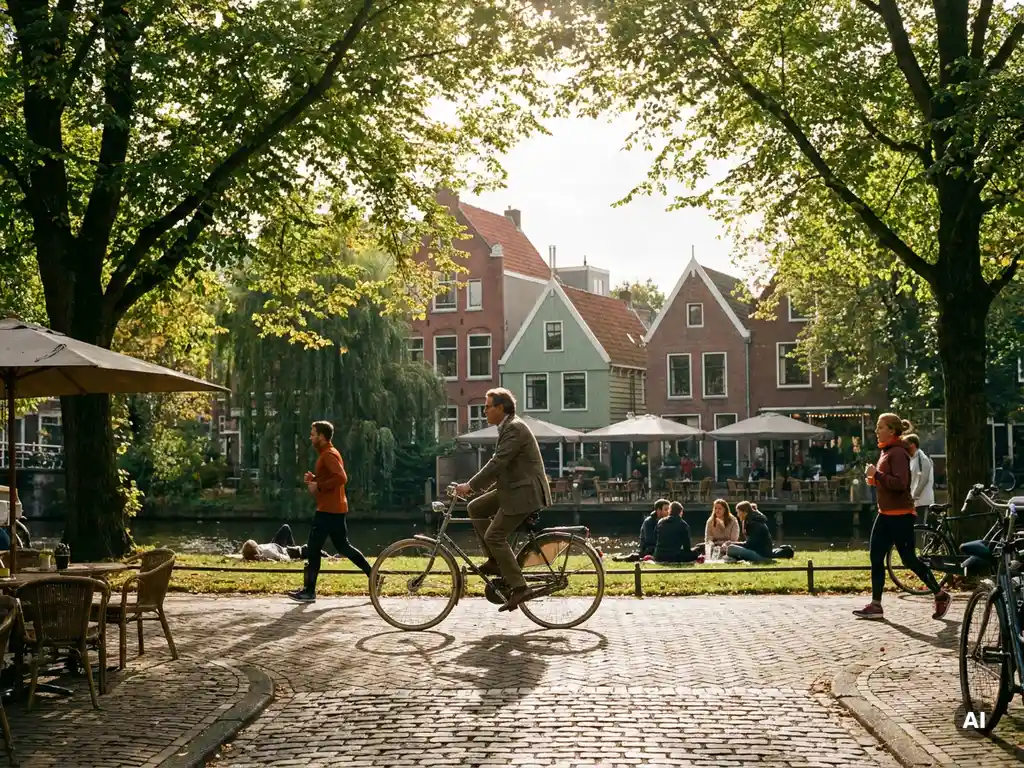
Outdoor recreation in Amsterdam changed significantly after Covid, and many of those changes have stuck. The pandemic pushed residents out of gyms, cafes, and indoor spaces, and into parks, waterways, and streets, fundamentally reshaping how the city relates to its open-air environment. What follows unpacks the most important shifts, from which spaces got busier to which habits became permanent.
What outdoor spaces in Amsterdam became more popular after Covid?
Parks, canal banks, and waterfront areas saw a dramatic surge in use after Covid, and that increased footfall has largely remained. Vondelpark, Westerpark, and the Amstelpark all became genuine neighbourhood living rooms during lockdowns, and residents discovered what they had been walking past for years without really using. The city’s relationship with its green and blue spaces shifted from occasional to habitual.
Beyond the obvious parks, some less celebrated spaces came into their own. The Houtrakpolder on the western edge of the city, the banks along the Amstel River, and the various pocket parks tucked between residential streets attracted people who simply needed somewhere to go. Amsterdam’s canal infrastructure, long appreciated aesthetically, became a destination in itself, with canal banks filling up for picnics, informal gatherings, and morning coffees in a way that felt new. The city has a lot of outdoor space that many residents had simply never prioritised before.
How did cycling habits in Amsterdam change after Covid?
Cycling in Amsterdam, already the dominant mode of transport, became even more embedded in daily life after Covid. With public transport feeling riskier and gyms closed, the bike shifted from a commuting tool to an all-purpose outdoor activity. Recreational cycling routes outside the city centre saw noticeably more traffic, particularly on weekends, as residents explored further than their usual radius.
What changed most was the distance and purpose of rides. Pre-Covid, most Amsterdam cycling was functional, getting from A to B efficiently. Post-Covid, longer leisure rides into the Waterland region north of the city, through the Amsterdamse Bos, or along the coastal paths toward IJmuiden became genuinely popular weekend routines. Families who had rarely cycled together started doing so regularly, and that pattern has largely continued. The Amsterdamse Bos in particular became a go-to destination, with its combination of forests, meadows, and waterways offering a genuine sense of escape without leaving the city.
Did Covid permanently change how Amsterdam residents use public space?
Yes, the shift in how Amsterdam residents use public outdoor space appears to be lasting rather than temporary. The pandemic essentially forced a behavioural reset, and many residents found they preferred the habits they developed during lockdown. Outdoor dining, outdoor socialising, and outdoor exercise all became normalised in ways they had not been before, even in a city that already had a healthy outdoor culture.
The city government also responded to this shift, expanding outdoor terrace permissions and experimenting with car-free streets in ways that reflected changed resident expectations. Some of these changes became permanent fixtures. There is a broader cultural shift at work too: Amsterdam residents now have a stronger sense of entitlement to outdoor space as a public good, not just a backdrop. Whether that translates into sustained political pressure for better park maintenance and less car traffic remains to be seen, but the expectation has clearly risen.
What new outdoor activities have taken off in Amsterdam since Covid?
Open-water swimming, outdoor fitness, and paddleboarding are among the outdoor recreation options in Amsterdam that genuinely took off after Covid and have since become established parts of city life. These were all possible before, but they moved from niche to mainstream in a relatively short time. The combination of necessity and discovery proved powerful.
Open-water swimming deserves particular mention. Amsterdam’s canals and surrounding lakes, including the Sloterplas and the IJ waterfront areas, attracted swimmers who had previously stuck to pools. The Zwemwater app, which tracks water quality, became a genuinely useful tool for a growing community of outdoor swimmers. Paddleboarding on the canals went from a tourist novelty to something residents actually do on weekday evenings. Outdoor bootcamp groups and yoga classes in parks, which sprang up during lockdowns as workarounds, have since become established businesses with loyal followings. The outdoor recreation options available in Amsterdam expanded not because new infrastructure appeared, but because residents started using what was already there.
How Klagen Niet Klagen helps you navigate Amsterdam’s outdoor scene
If you want honest, insider commentary on what Amsterdam’s outdoor life actually looks like beyond the tourist brochure version, Klagen Niet Klagen is written exactly for that. The blog is built on over three decades of lived Amsterdam experience, and it does not shy away from the contradictions: the city’s outdoor spaces are genuinely wonderful, and also frequently overcrowded, politically contested, and full of unspoken rules that nobody explains to you.
- Long-form essays on Amsterdam city life written from the inside, not from a press trip
- Honest takes on how the city is changing, including its parks, public spaces, and cycling culture
- A perspective shaped by real entrepreneurial and cultural roots in Amsterdam, not a content calendar
- Content written in English for people who actually live here or want to understand the city properly
If this kind of commentary appeals to you, find out more about the blog or get in touch directly.
And if you want to experience Amsterdam’s creative energy in person, there is no better place to spend an evening than Boom Chicago. The comedy institution that helped put Amsterdam on the international cultural map has been making locals and visitors laugh since 1993, and the shows are the perfect complement to a day spent rediscovering the city outdoors. Check the current shows and agenda and see what is on.
Frequently Asked Questions
What is the best time of year to explore Amsterdam's outdoor spaces?
Spring and early summer (April through June) are widely considered the sweet spot for outdoor recreation in Amsterdam. The weather is mild, the parks are lush, and the canal banks come alive without the peak-summer crowds that can make popular spots like Vondelpark feel overwhelming. That said, Amsterdam’s outdoor culture has become genuinely year-round post-Covid, and you will find committed cyclists, open-water swimmers, and park regulars out in every season.
Are Amsterdam's canals actually safe to swim in, and how do I check water quality before going?
Canal swimming in Amsterdam is a nuanced topic: some waterways are designated safe for swimming while others are not, and quality can shift after heavy rainfall due to overflow from the drainage system. The Zwemwater app (zwemwater.nl), run by Dutch authorities, is the most reliable tool for checking real-time water quality data at specific locations around the city, including popular spots like the Sloterplas and IJ waterfront areas. Always check before you go, and stick to officially designated swimming zones to stay on the right side of both safety and local bylaws.
I'm new to Amsterdam — what is the single best first step to getting into the city's outdoor recreation scene?
Rent or borrow a bike and ride through the Amsterdamse Bos on a weekend morning. It sounds simple, but this one trip covers an enormous amount of ground: you will experience Amsterdam’s cycling culture firsthand, discover a genuinely expansive green space that most tourists never reach, and get a feel for how residents actually use the city’s outdoor infrastructure. From there, the next steps — finding a canal swimming spot, joining an outdoor fitness group, or exploring the Waterland region — will feel much more accessible.