
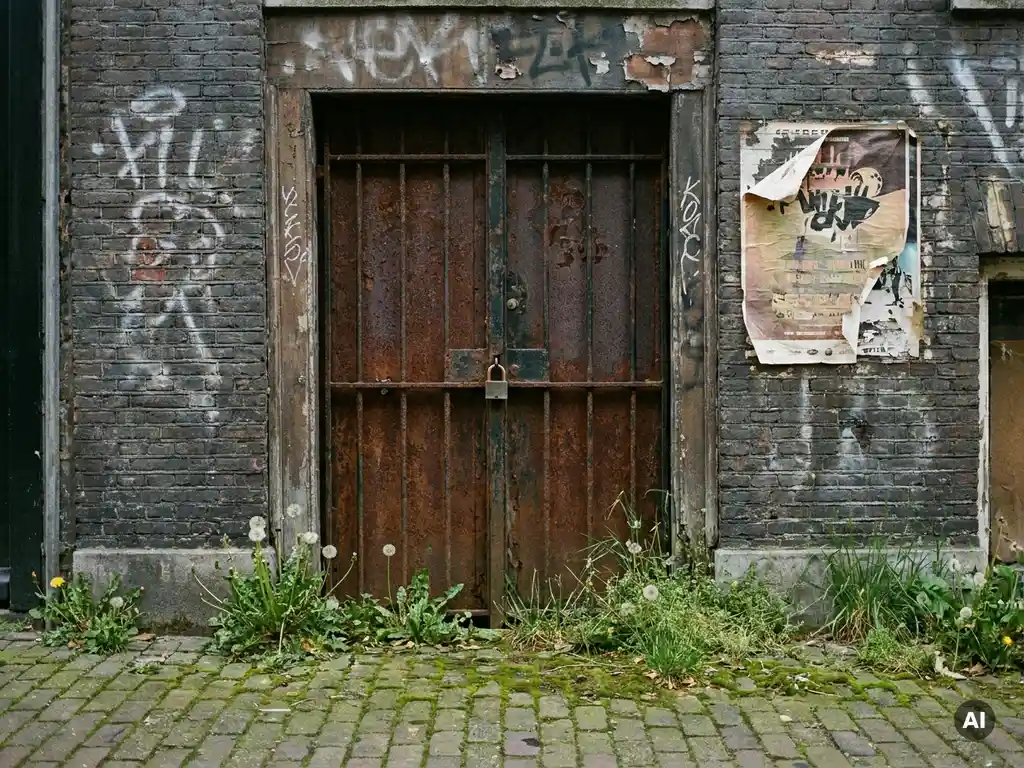
Amsterdam lost a significant number of its clubs and venues to permanent closure during and after the COVID pandemic. The forced shutdowns, combined with rising costs and a shifting cultural landscape, proved fatal for many spaces that had defined the city’s nightlife for decades. Below, the most important questions about nightlife in Amsterdam after COVID get clear, honest answers.
Which types of Amsterdam venues were hit hardest by COVID?
Nightclubs, live music venues, and small independent cultural spaces were hit hardest by COVID in Amsterdam. These venues depend entirely on large gatherings, high footfall, and late-night revenue, three things that disappeared overnight in March 2020 and stayed gone for nearly two years. Without ticket sales, bar revenue, or any meaningful government lifeline scaled to their specific needs, many simply ran out of road.
Large clubs with high fixed costs, rent, staff, security, licensing fees, burned through reserves quickly during the lockdowns. Smaller venues, often operating on thin margins even in good times, had no buffer at all. Live music spaces faced a particularly brutal combination: they needed to pay artists, maintain equipment, and hold onto their premises while earning nothing. The cultural sector in the Netherlands received some support, but the aid was often too slow, too complex to access, or simply insufficient for venues that operated in the grey zone between nightlife and culture.
What are the most notable Amsterdam clubs and venues that closed permanently?
Among the most notable permanent closures, Amsterdam lost Studio/K in its original form, Shelter Amsterdam, and several beloved smaller venues that had anchored specific neighbourhoods and subcultures. The closures were not limited to underground or niche spaces, even venues with established reputations and loyal audiences could not survive the combination of prolonged shutdown and the economic pressure that followed.
Paradiso and Melkweg, the two most iconic live music venues in the city, managed to survive, but they are the exceptions, not the rule. Their institutional status, strong donor networks, and public funding made them more resilient than most. For every Paradiso that made it through, there were smaller rooms, independent clubs, and experimental spaces that did not. The nightlife in Amsterdam after COVID was noticeably thinner than the one that existed before 2020.
Why did some Amsterdam venues survive while others closed?
The venues that survived generally shared one or more of three advantages: institutional status and access to cultural funding, ownership of their own building rather than dependency on a landlord, or a business model flexible enough to pivot during the pandemic. Those without any of these advantages faced an almost impossible situation.
Landlords were a decisive factor. Venues renting commercial space in Amsterdam faced some of the highest property costs in the Netherlands, and many landlords refused to reduce or defer rent during the shutdowns. Venues that owned their premises could absorb the losses over time. Those paying market rent in a city where property values had been climbing for years had no such cushion.
Community support also played a role. Several venues launched crowdfunding campaigns and found their audiences willing to contribute. This worked best for spaces with strong cultural identities and loyal regulars, places people felt genuinely attached to, not just venues they visited occasionally. Anonymous or interchangeable spaces had no emotional capital to draw on when they needed it most.
What has replaced the closed Amsterdam clubs and venues?
The spaces left behind by closed Amsterdam venues have been replaced by a mix of new cultural projects, residential development, and commercial repurposing. Some former club spaces have become offices, restaurants, or short-stay accommodation. A handful have been taken over by new operators with different programming models. Very few have reopened as functioning nightlife venues in any recognisable sense.
New venues have emerged since the pandemic, but the overall landscape is smaller and more cautious than before. Operators are more reluctant to commit to large spaces with high fixed costs. There is also a generational shift in how Amsterdam’s younger residents socialise, patterns changed during the lockdowns and have not fully reversed. The result is a nightlife scene that is more fragmented, more event-driven, and less anchored by the kind of permanent, iconic spaces that defined Amsterdam’s club culture in the decades before 2020.
Pop-up events, temporary cultural spaces, and outdoor festivals have filled some of the gap. NDSM Wharf and similar industrial locations on the edges of the city continue to host temporary and semi-permanent cultural programming. But these are not replacements in any direct sense. They serve a different function and attract a different crowd than the clubs and venues that closed.
How Klagen Niet Klagen keeps you honest about Amsterdam
If you want to understand what Amsterdam’s cultural scene actually looks like right now, not what the tourism board wants you to think, Klagen Niet Klagen is the place to start. Written by Andrew Moskos, co-founder of Boom Chicago, the blog offers the kind of insider perspective that comes from over thirty years of building something real in this city. No PR gloss, no sponsored content, no diplomatic hedging.
- Honest, long-form commentary on Amsterdam’s cultural and social landscape
- A perspective shaped by decades of experience in the city’s creative and nightlife scene
- Content written for people who actually live here or know Amsterdam well enough to want the truth
- Regular essays on the changes reshaping the city, including what has been lost and what is worth finding
If this piece resonated, there is plenty more where it came from. Visit the about page to understand the voice behind the blog, or browse the full archive for more Amsterdam commentary that does not pull its punches.
And if you want to experience Amsterdam’s live comedy scene for yourself, Boom Chicago is still very much here and still very much worth your evening. The shows are sharp, the crowd is international, and the energy is exactly what a city that has been through a lot needs right now. Check the Boom Chicago website for what is on and come see what thirty years of Amsterdam-rooted comedy actually looks like on stage.
Frequently Asked Questions
Is Amsterdam's nightlife scene worth visiting now, or has too much been lost since COVID?
Amsterdam’s nightlife is still worth experiencing, but it requires more research and realistic expectations than it did before 2020. The iconic, walk-in club culture has thinned considerably, so checking current listings, following local cultural blogs like Klagen Niet Klagen, and booking in advance will serve you far better than relying on pre-pandemic reputation alone. What remains is often high quality, just more scattered and event-driven than the dense, permanent scene that existed before COVID.
What can venue owners and operators do differently to avoid the vulnerabilities that COVID exposed?
The clearest lesson from the closures is that venues with diversified revenue streams, property ownership or strong lease protections, and deep community ties were the most likely to survive. New and existing operators should prioritise building genuine audience loyalty over chasing footfall, explore co-ownership or community share models to reduce landlord dependency, and maintain accessible emergency reserves rather than operating perpetually on thin margins. The venues that made it through did not just get lucky — most had made structural decisions years earlier that gave them options when everything shut down.
Are there any grassroots efforts or initiatives working to protect Amsterdam's remaining cultural venues from future closures?
Yes, though the landscape is fragmented. Organisations like Amsterdam’s Bureau Broedplaatsen have long worked to protect affordable creative spaces in the city, and there are ongoing policy conversations at the municipal level about the role of nightlife and culture in urban planning. The challenge is that these initiatives often move slowly relative to the speed of commercial property pressure and rising costs. Staying informed through local cultural media and supporting venues directly — through memberships, crowdfunding, and simply showing up — remains one of the most effective forms of grassroots protection available.