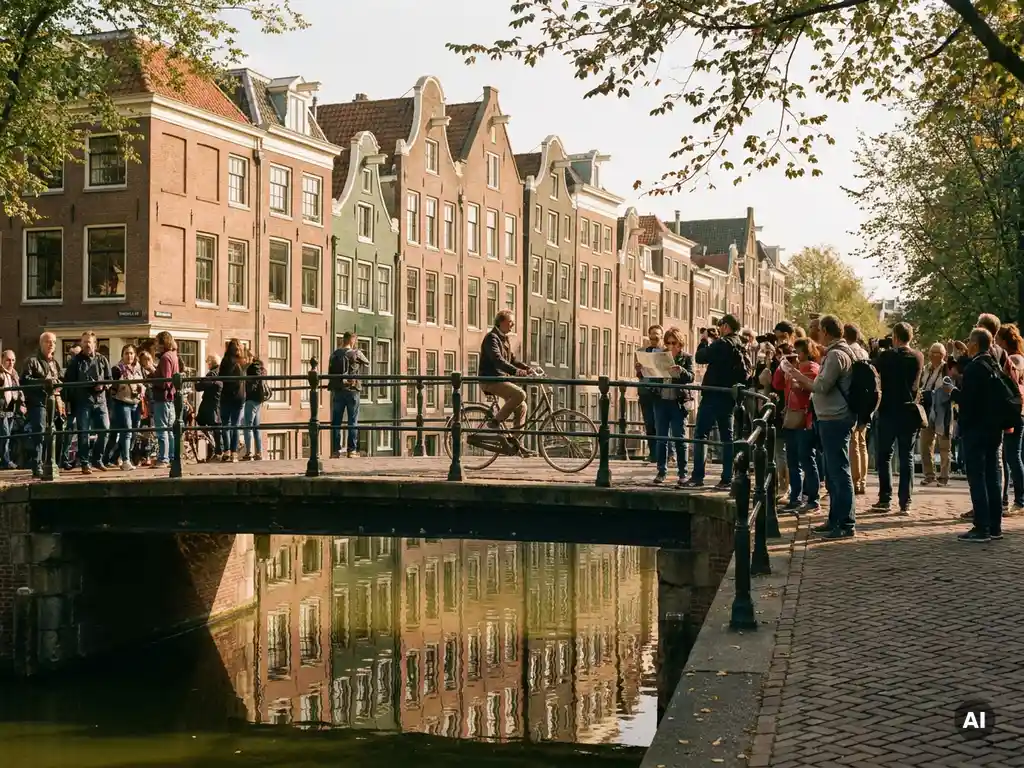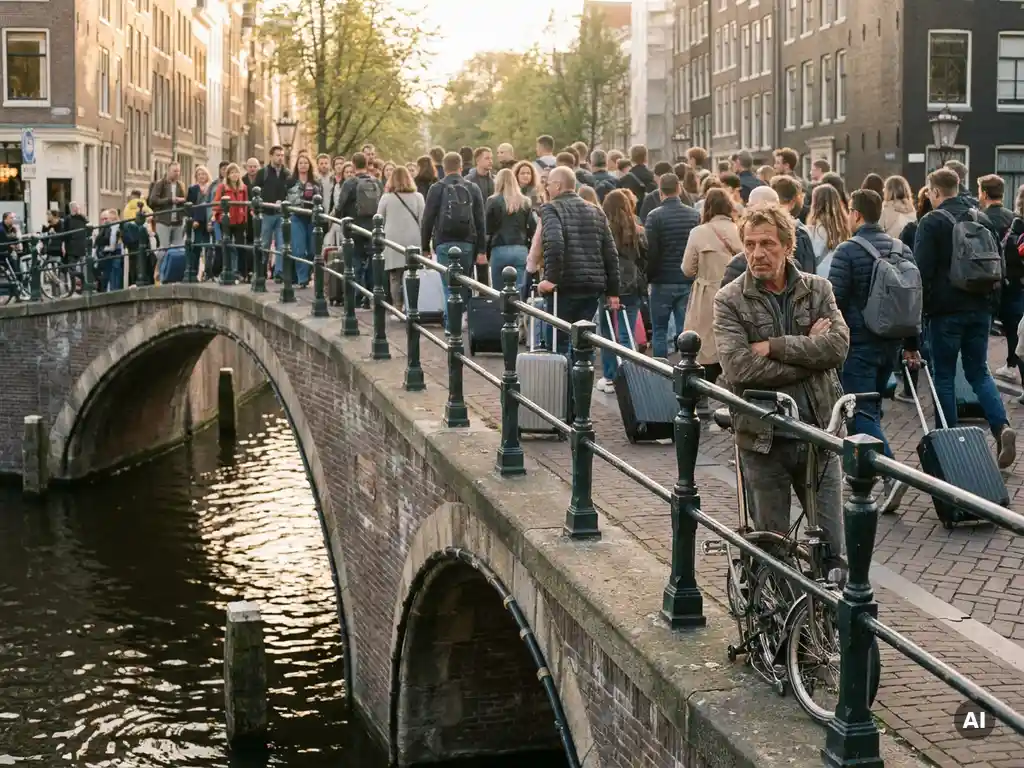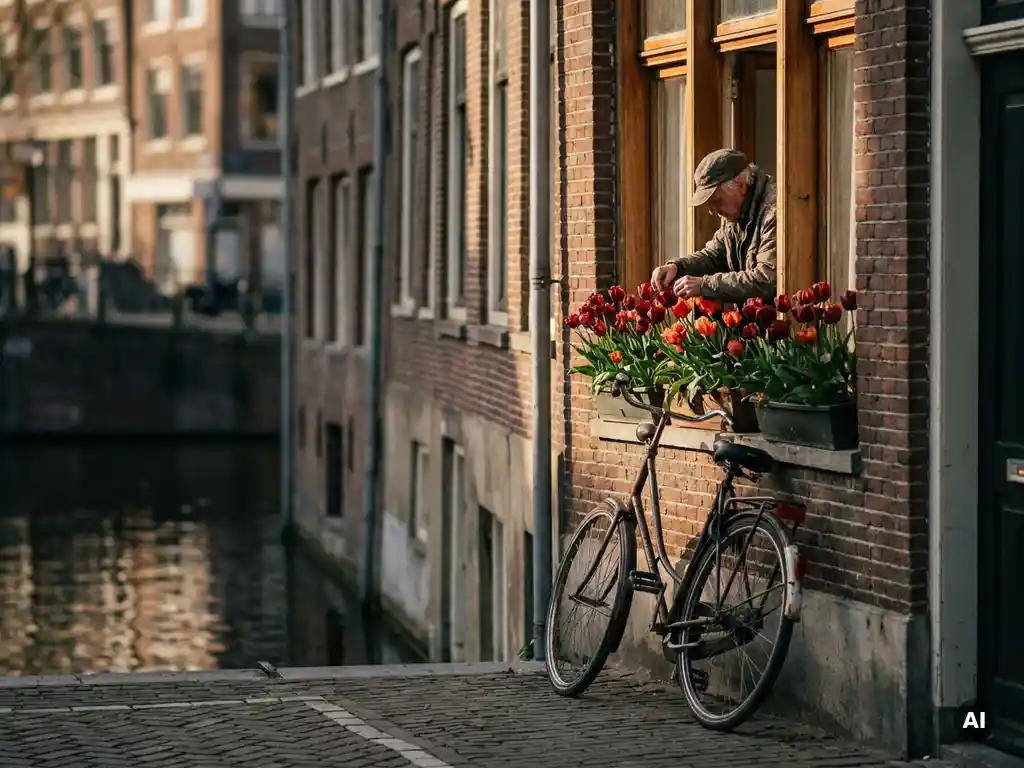
Amsterdam is actively trying to reclaim neighborhoods for locals through a combination of tourist restrictions, housing protections, and targeted policy enforcement. The city has invested heavily in measures that limit short-term rentals, redirect visitor flows away from residential streets, and prioritize the needs of permanent residents over the demands of mass tourism. The results are mixed but real, and the debate is far from settled.
Which Amsterdam neighborhoods are most affected by tourism pressure?
The neighborhoods carrying the heaviest tourism burden are the historic canal ring (Grachtengordel), De Wallen (the red-light district), Jordaan, and the area around Leidseplein and Rembrandtplein. These central districts absorb the vast majority of Amsterdam’s annual visitors, creating a situation where residents are effectively outnumbered on their own streets during peak season.
In De Wallen especially, the density of tourists, short-term rental properties, and commercial activity oriented entirely around visitors has hollowed out the sense of a living neighborhood. Long-term residents have steadily moved out as rents climbed and the character of the area shifted. The Jordaan tells a slightly different story: it remains relatively livable, but rising property values driven partly by its popularity with visitors and expats have made it increasingly inaccessible to the kind of working-class community that historically defined it.
Beyond the center, neighborhoods like De Pijp and Oud-West have felt secondary waves of pressure as tourists spill out from the historic core in search of “authentic” local experiences. The irony, of course, is that the search for authenticity tends to erode it.
What policies is Amsterdam using to push back against overtourism?
Amsterdam has deployed a broad toolkit of policies aimed at making the city more livable for residents. The most significant include a near-total ban on new short-term rentals in the city center, strict enforcement of existing Airbnb regulations, the closure of cannabis shops to tourists, and a ban on cruise ships docking in the historic harbor. The city has also invested in redirecting tourist flows toward less-visited neighborhoods and off-peak seasons.
The short-term rental restrictions deserve particular attention. Amsterdam has progressively tightened the rules around platforms like Airbnb, reducing the number of nights per year a property can be rented and eventually banning short-term rentals entirely in several central districts. The logic is straightforward: every apartment turned into a holiday let is one fewer home for a resident.
On the street level, the city has experimented with closing certain alleyways in De Wallen to through-traffic, limiting the hours of some venues, and restricting the opening of new hotels in the center. The tourist tax has also been raised repeatedly, making Amsterdam one of the more expensive cities to visit in Europe, a deliberate signal as much as a revenue measure.
Are Amsterdam’s neighborhood reclamation policies actually working?
Partially, and unevenly. Some policies have produced measurable results: the reduction in short-term rental listings in the city center is real, and the cruise ship ban has meaningfully reduced certain categories of day-trippers. But the overall volume of tourism to Amsterdam remains enormous, and the structural pressures on housing and public space have not reversed in any dramatic way.
The challenge is that Amsterdam is caught between competing forces. The city’s economy is deeply intertwined with tourism: hospitality, retail, and cultural institutions all depend on visitor spending. Policies that genuinely reclaim neighborhoods for residents also risk damaging livelihoods and reducing the cultural vitality that made the city attractive in the first place.
What the policies have done is slow certain trends and signal a political shift in priorities. Whether that shift translates into neighborhoods that feel genuinely reclaimed for residents rather than merely less overwhelmed by tourists is a harder question to answer. As of 2026, the honest verdict is: progress, but not transformation.
What do Amsterdam locals actually think about these measures?
Opinion among Amsterdam residents is genuinely divided, and that division tends to follow economic and geographic lines. Residents who live in the most affected central neighborhoods are broadly supportive of tougher restrictions and often feel the measures do not go far enough. Those whose livelihoods depend on tourism, or who work in industries that benefit from a vibrant visitor economy, tend to view the policies with more ambivalence.
There is also a generational dimension. Older Amsterdammers who remember the city before mass tourism became the defining feature of daily life often feel a deep sense of loss and welcome any measure that pushes back. Younger residents, many of whom moved to Amsterdam precisely because of its cosmopolitan energy, are sometimes more conflicted: they want a livable city, but they also value the openness and international character that tourism partly sustains.
What almost everyone agrees on is that the housing crisis is the most urgent problem, and that short-term rentals have made it worse. On that specific point, support for strong regulation tends to cut across the usual divides. The disagreement is less about whether to act and more about how far to go, and who should bear the cost.
How Klagen Niet Klagen cuts through the noise on Amsterdam city life
The debate around Amsterdam being reclaimed for residents is exactly the kind of topic that mainstream media handles badly, either too sympathetic to tourism interests, too alarmist, or too shallow to capture the genuine complexity of what it feels like to actually live here. Klagen Niet Klagen exists to fill that gap.
- Long-form essays on Amsterdam city life written from over three decades of lived experience in the city
- Honest, opinionated commentary that names tensions rather than smoothing them over
- An English-language perspective that takes both expats and internationally minded Dutch readers seriously
- A Klagen / Niet Klagen framework that holds the city’s contradictions together without pretending they are easily resolved
- No tourism board influence, no advertorial pressure, just a genuine point of view
If you want commentary on Amsterdam that respects your intelligence and your familiarity with the city, the blog archive is the place to start. And if you want to know more about the person behind it, the about page tells the full story.
Speaking of things worth experiencing in Amsterdam: if you have not been to Boom Chicago yet, fix that. The comedy institution that Andrew Moskos co-founded in 1993 is still going strong, still sharp, and still the best live show in the city. Check the Boom Chicago website for what is on, an evening there is the kind of Amsterdam experience that no tourist guide will ever adequately describe, which is precisely why it keeps selling out.
Frequently Asked Questions
If Amsterdam's policies are only partially working, which specific measures should other overtouristed cities prioritize first?
The short-term rental ban is widely considered the highest-impact starting point, because it directly addresses both the housing shortage and the hollowing-out of residential neighborhoods in a single policy move. Amsterdam’s experience suggests that enforcement matters as much as legislation: rules that exist on paper but are poorly monitored have limited effect. Cities looking to replicate Amsterdam’s approach should pair rental restrictions with a dedicated enforcement unit and a clear appeals process to give the policy real teeth from day one.
What are the most common mistakes cities make when trying to reclaim neighborhoods from overtourism?
The most frequent mistake is treating tourism pressure as a zoning problem rather than a housing problem, which leads to cosmetic fixes like pedestrian barriers and signage campaigns while the underlying displacement of residents continues unchecked. A second common error is rolling out restrictions without any plan to offset the economic impact on workers in the hospitality and service sectors, which generates political backlash that eventually weakens or reverses the measures. Amsterdam’s own stumbles on both fronts offer a useful cautionary example for cities earlier in the process.
As a visitor who wants to experience Amsterdam responsibly, what practical steps can I actually take?
The most meaningful thing you can do is stay in a licensed hotel rather than a short-term rental in the city center, and deliberately plan your time around neighborhoods and venues that are not already saturated with visitors. Spending money at locally owned businesses in areas like Noord, Oost, or Bos en Lommer rather than defaulting to the Jordaan or the canal ring puts visitor spending where it does more good and less harm. Avoiding the peak summer months and booking experiences like Boom Chicago that are genuinely embedded in the city’s cultural life rather than designed for tourist consumption is also a more honest way to engage with Amsterdam.