Category: Niet Klagen

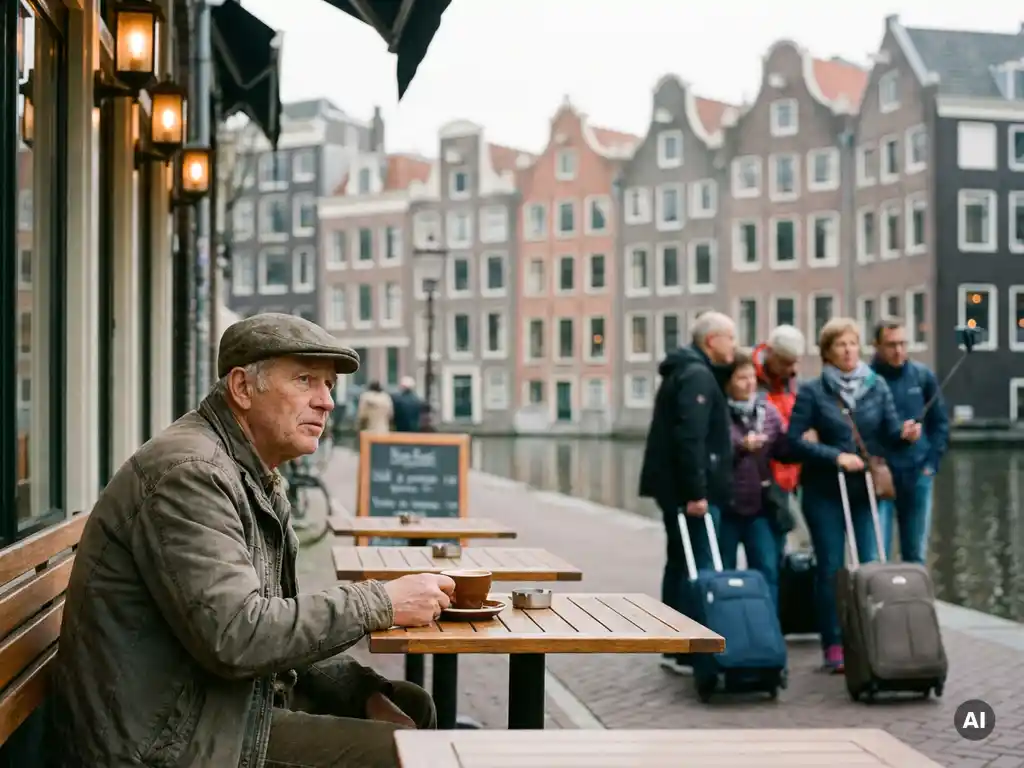
  • What do Amsterdammers really think about tourists?

    What do Amsterdammers really think about tourists?

    Amsterdammers have a complicated relationship with tourists. Most residents do not hate visitors outright, but years of rapid tourism growth have created genuine friction, especially in the city center. The tension between tourists and residents in Amsterdam is real, layered, and worth understanding honestly. Below, we unpack the most common questions locals get asked about how they actually feel.

    Do Amsterdam locals actually hate tourists?

    No, most Amsterdam locals do not hate tourists. What they increasingly resent is the volume and behavior that mass tourism brings, not the individual visitor. The distinction matters. A curious traveler who respects the neighborhood is rarely the problem. The problem is scale: millions of visitors concentrated in a small historic city center, year after year, reshaping daily life in ways that are hard to ignore.

    Amsterdam is not a large city. Its historic canal ring is compact, and the neighborhoods that tourists flood are also the neighborhoods where people live, raise children, and run small businesses. When every third shop on a street becomes a souvenir store or a cannabis dispensary, and when the noise on a Friday night makes sleep impossible, frustration is not irrational. It is the natural result of a city that became a product.

    That said, many Amsterdammers genuinely enjoy the cosmopolitan energy that visitors bring. The city has always been international. Trade, migration, and cultural exchange are woven into Amsterdam’s DNA. Locals are not, by nature, hostile to outsiders. The hostility that does exist is largely situational and earned.

    What tourist behaviors annoy Amsterdam residents the most?

    The behaviors that irritate Amsterdam residents most are specific and consistent. They are not about tourists being foreign or unfamiliar with Dutch culture. They are about a small but highly visible group of visitors who treat Amsterdam as a consequence-free playground rather than a functioning city where people live.

    • Stag and bachelorette parties that treat the city center as a theme park for drinking and drug use, often loudly and publicly.
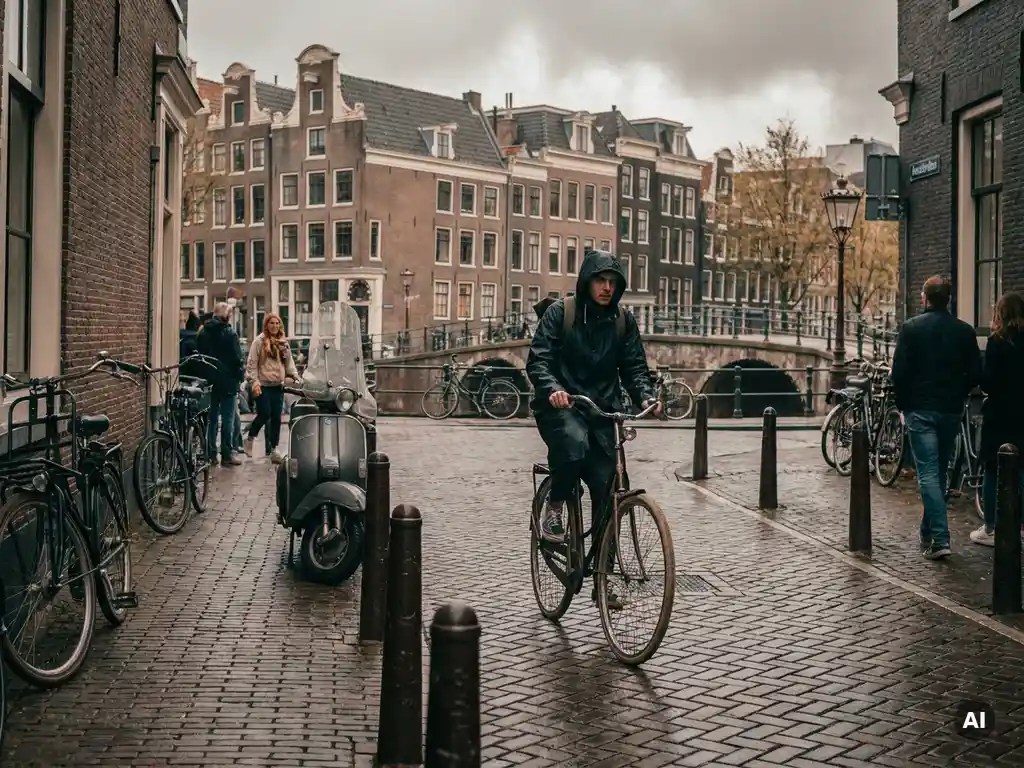
    • Blocking cycle paths with rental bikes, e-scooters, or simply by walking in groups across lanes meant for cyclists. In Amsterdam, this is genuinely dangerous and deeply annoying.
    • Treating the Red Light District as a zoo rather than a working neighborhood with residents, businesses, and real people.
    • Leaving trash in canals, on bridges, or in residential streets after a night out.
    • Photographing locals without asking, particularly in the Red Light District, which the city has actually tried to ban.
    • Ignoring basic cycling etiquette, which in Amsterdam is essentially a social contract with safety implications.

    What unites these behaviors is a lack of awareness that Amsterdam is a real city, not a film set. Locals can absorb a lot. What they struggle to absorb is being made to feel like extras in someone else’s holiday.

    Why do Amsterdam residents feel differently about tourists than they used to?

    The shift in how Amsterdam residents feel about tourists is largely a story about volume and speed. Tourism in Amsterdam grew dramatically over the past two decades, and the city’s infrastructure, housing market, and social fabric changed in ways that residents did not choose and often could not afford to resist.

    When tourism numbers were lower, the economic benefits were more visible and the disruption more manageable. Locals could see tourists as welcome guests who contributed to the city’s vitality. As numbers surged, the calculus changed. Rents rose sharply as short-term rental platforms converted residential housing into tourist accommodations. Neighborhood shops that served locals closed and were replaced by businesses catering exclusively to visitors. Entire streets lost their residential character.

    The pandemic offered a brief, strange moment of clarity. With tourists gone, many Amsterdammers rediscovered their own city. They cycled through quiet streets, sat on empty terraces, and experienced a version of Amsterdam that had become inaccessible to them in normal times. When tourism returned, so did the frustration, but now with a sharper sense of what had been lost.

    City policy has also shifted in response. Amsterdam has actively tried to discourage certain types of tourism, particularly the party tourism concentrated in the center. The fact that the city itself now runs campaigns telling some visitors to stay away reflects how far the tension between tourists and residents has moved from background noise to a genuine political priority.

    What kind of tourists do Amsterdammers actually welcome?

    Amsterdammers genuinely welcome tourists who come with curiosity, respect, and a willingness to engage with the city as it actually is. The ideal visitor, from a local’s perspective, is someone who wants to understand Amsterdam rather than consume it. That distinction sounds abstract but plays out in very practical ways.

    Visitors who explore neighborhoods beyond the center, who eat at places where locals actually eat, who cycle carefully and follow the unspoken rules of the road, and who treat the city’s residents as people rather than backdrop are almost universally well received. Amsterdam has a long tradition of welcoming international visitors. The city was built on trade and exchange. That openness is still there.

    What locals respond to positively is effort. A tourist who tries to understand Dutch directness, who does not expect everyone to perform friendliness on demand, and who engages with the city’s actual culture rather than its tourist-facing surface will find Amsterdammers surprisingly warm and generous with their time and knowledge.

    The tourists Amsterdammers struggle with are not those who come from far away or speak no Dutch. They are the ones who come specifically for behaviors the city is trying to move away from and who treat local residents as inconveniences in their own city.

    How Klagen Niet Klagen navigates the tourist-resident divide

    Understanding what Amsterdammers really think, about tourists and everything else, requires a voice that is inside the city rather than reporting on it from a distance. That is exactly what Klagen Niet Klagen offers. Written by Andrew Moskos, co-founder of Boom Chicago and a resident of Amsterdam for over three decades, the blog cuts through the polished tourism narrative and delivers honest, intelligent commentary on city life.

    • Long-form essays and opinion pieces on Amsterdam culture, politics, and daily life, written from genuine insider experience.
    • A perspective shaped by more than thirty years of building something real in the city, not just visiting or observing it.
    • Content that takes the tension between tourists and residents seriously, without pretending it does not exist or reducing it to easy villains.
    • An English-language platform that speaks to expats, international visitors, and globally minded Dutch readers who want more than a listicle.

    If you want to understand Amsterdam the way people who actually live here understand it, explore the blog archive and find the kind of commentary that no tourism board would ever commission. And if you have questions or want to get in touch, the contact page is always open.

    Of course, the best way to experience Amsterdam honestly is not just to read about it. It is to sit in a room full of Amsterdammers and laugh together. Boom Chicago has been doing exactly that since 1993, with sharp, improvisational comedy that reflects the real city, its contradictions, its humor, and its soul. Check the shows and agenda and see what is on. It is, without question, the most fun way to understand what makes Amsterdam tick.

    Frequently Asked Questions

    Is it worth visiting Amsterdam neighborhoods outside the city center, and which ones do locals recommend?

    Absolutely — locals will almost universally point you away from the canal ring and toward neighborhoods like De Pijp, Oud-West, Noord, and Oost, where the city still feels like it belongs to the people who live in it. These areas have independent cafés, local markets like the Albert Cuyp, and a pace of life that gives you a far more honest picture of Amsterdam than the Damrak ever will. Exploring beyond the center is also one of the most effective ways to signal to residents that you are genuinely curious about the city rather than just ticking off landmarks.

    What are the most common mistakes tourists make that they don't even realize are causing friction?

    The biggest unintentional offense is misusing Amsterdam’s cycling infrastructure — walking on bike lanes, stopping suddenly in cycling traffic, or renting a bike without understanding that Amsterdam’s cycling culture has its own strict, unspoken rules that locals learn over years. A close second is assuming that Dutch directness is rudeness; Amsterdammers are not being unfriendly when they give you a blunt answer, they are being honest, and responding warmly to that honesty goes a long way. Simply being aware of your spatial footprint in a dense, compact city — not blocking narrow pavements, not gathering in large groups on bridges — removes most of the friction before it starts.

    Has Amsterdam's city government actually managed to reduce overtourism, or are the campaigns mostly symbolic?

    The results are mixed. Amsterdam has taken some genuinely bold steps — banning new hotels in the center, cracking down on short-term rentals, restricting cannabis sales to residents only, and running the blunt “Stay Away” campaign targeting party tourists — and some of these measures have had measurable effects on the composition of visitors. However, overall tourist numbers remain very high, and the structural pressures on housing and neighborhood character have not reversed. The policy shift is real and politically serious, but transforming a city that spent decades marketing itself as a party destination takes considerably longer than a single election cycle.
  • Can a city ever fully balance tourism and residential life?

    Can a city ever fully balance tourism and residential life?

    No city has ever fully balanced tourism and residential life, and the honest answer is that none probably ever will. The tension is structural: tourists and residents want fundamentally different things from the same streets, the same neighbourhoods, and the same city. That said, some cities manage the balance far better than others, and the gap between good management and bad management is enormous. Below, we dig into the real questions behind that tension.

    What does it actually mean for a city to be ‘overrun’ by tourism?

    A city is overrun by tourism when the needs and behaviours of visitors begin to consistently override the daily quality of life of the people who actually live there. It is not simply about crowd size. It is about who the city is designed for, who benefits from its economy, and who bears the costs.

    The signs are familiar to anyone who has lived in a heavily visited city. Supermarkets in central neighbourhoods get replaced by souvenir shops. Rents climb because short-term rental platforms make it more profitable to house tourists than residents. Streets that were once genuinely local become stages for a performance of local life rather than the thing itself. Noise, litter, and antisocial behaviour spike in areas with high visitor concentrations, and residents absorb those externalities without compensation.

    What makes this particularly frustrating is that the people causing the disruption are not malicious. Most tourists are perfectly decent. The problem is systemic, not personal. When millions of individuals each make reasonable individual choices, the collective result can be genuinely damaging to a community. That is the core of what overtourism actually means, and why the phrase “overrun” captures something real.

    Why is balancing tourism and residential life so hard to get right?

    Balancing tourism and residential life is so hard because the economic incentives almost always favour more tourism, while the social costs are distributed unevenly and are difficult to measure. Governments collect tax revenue from visitors; residents absorb the noise, congestion, and rising costs. The people who benefit most from tourism are rarely the same people who pay the price for it.

    There is also a timing problem. The damage from overtourism accumulates slowly, and by the time a city recognises it has a serious problem, the infrastructure, the economy, and the political expectations around tourism are already deeply entrenched. Pulling back becomes economically painful and politically difficult.

    Regulation adds another layer of complexity. Short-term rental platforms, for example, operate across jurisdictions and respond to local rules with creative workarounds. A city can introduce limits on tourist apartments, and the platforms will find ways to reclassify listings. Meanwhile, the hospitality industry, which employs a significant portion of the local workforce, lobbies hard against restrictions. The result is policy that is always slightly behind the problem it is trying to solve.

    Finally, there is a cultural dimension that is easy to underestimate. In cities with a strong identity around openness and welcome, restricting tourism can feel like a betrayal of values. Amsterdam is a perfect example. A city that built its entire historical identity on trade, tolerance, and welcoming outsiders finds it genuinely uncomfortable to tell people they are not welcome. That psychological tension makes decisive action harder than it would otherwise be.

    Which cities have come closest to getting the balance right?

    No city has fully solved the balance between tourism and living, but several have made meaningful progress by treating residents as the primary constituency rather than an afterthought. The cities that do best tend to share a few common traits: they distribute visitors across a wider geography, they use pricing and access controls to manage peak demand, and they invest tourism revenue directly back into neighbourhood infrastructure.

    Bhutan is the most cited example of a country that deliberately limits visitor numbers through a high daily fee, though its model depends on being a destination with near-mythical status rather than a city with a functioning residential economy. For urban environments, the more instructive examples are closer to home.

    Ghent in Belgium has managed to grow its visitor numbers while maintaining a genuinely liveable city centre, partly because it never allowed short-term rentals to hollow out its housing stock in the way Amsterdam or Barcelona did. Ljubljana in Slovenia has built a strong tourism economy around a relatively small, walkable centre while keeping residential neighbourhoods intact and accessible. Neither city is perfect, but both made deliberate choices early enough to avoid the worst outcomes.

    The common thread is timing and political will. Cities that got ahead of the problem, rather than reacting to it after the damage was done, consistently fared better. That is a lesson that is easy to state and very hard to act on when tourism revenues are still climbing and no crisis is yet visible.

    Should cities ever say no to more tourists?

    Yes, cities should be willing to say no to more tourists when the evidence shows that additional visitor numbers are degrading residential quality of life faster than they are generating community benefit. The balance between tourism and living is not served by treating growth as an inherently positive goal. At some point, more is simply more, not better.

    This is still a genuinely controversial position, and it should be. Tourism employs real people, funds real infrastructure, and connects cities to the wider world in ways that have genuine cultural and economic value. Saying no is not costless. But the argument that tourism must always grow because it generates revenue is the same logic that has hollowed out the centres of Venice, Barcelona, and Amsterdam over the past two decades.

    The more useful framing is not whether to say no, but how. Absolute visitor caps are blunt instruments that tend to push demand to adjacent areas rather than reduce it. Smarter tools include seasonal pricing, zoning restrictions that protect residential neighbourhoods from commercial tourist infrastructure, and hard limits on short-term rental density per street or district. These approaches allow a city to manage the composition and distribution of tourism rather than simply its volume.

    What is clear is that doing nothing while waiting for the market to self-correct is itself a choice, and a costly one. Cities that have watched their residential populations shrink, their rents become unaffordable, and their neighbourhoods lose the authenticity that made them attractive in the first place have all, at some point, decided that the discomfort of saying no was worse than the discomfort of losing what made the city worth visiting in the first place.

    How Klagen Niet Klagen covers the tension between tourism and city life

    If you have read this far, you probably already sense that this is not a topic that resolves neatly. The Klagen Niet Klagen blog exists precisely for that kind of honest, unresolved conversation about Amsterdam city life. Here is what the blog offers that you will not find in a tourism guide or a city council press release:

    • Long-form essays on Amsterdam’s real contradictions, written by someone who has lived and built here for over thirty years
    • An English-language perspective that speaks to expats, international visitors, and globally minded Dutch readers alike
    • Opinion that is free from tourism board influence, advertorial pressure, or the need to be diplomatic about uncomfortable truths
    • A consistent editorial voice grounded in the klagen / niet klagen framework: honest about what is wrong, fair about what is right

    If the questions in this article are the kind you keep coming back to, read more about the blog and what drives it. And if you want to get in touch directly, the contact page is right there.

    The same instinct that drives this kind of commentary, the refusal to smooth over the rough edges of Amsterdam in favour of a prettier story, is what has powered Boom Chicago since 1993. Comedy that actually says something, performed live in Amsterdam, is a surprisingly effective way to process the contradictions of city life. If you have never been to a show, it is worth knowing that Boom Chicago has been making locals and visitors laugh at the same absurdities for over three decades. Check the current shows and agenda and see what is on. It might be the most honest version of Amsterdam you encounter all trip.

    Frequently Asked Questions

    What's the single most effective policy tool cities have used to protect residential neighbourhoods from overtourism?

    Short-term rental density caps at the street or district level have proven to be one of the most targeted and effective tools, because they address the housing displacement problem directly rather than trying to reduce visitor numbers overall. Cities like Ghent that implemented these restrictions early managed to keep residential housing stock intact while still growing their tourism economies. The key is enforcement: the policy only works if platforms are legally required to verify and display licence numbers, and if violations carry meaningful penalties.

    Is overtourism only a problem in iconic, world-famous cities, or can smaller cities face the same issues?

    Smaller cities can face overtourism just as severely as iconic destinations, and in some ways are more vulnerable because they have less political and economic leverage to push back. A modest medieval town centre can be overwhelmed by visitor numbers that would barely register in a major capital. Ljubljana and Ghent are instructive here: both acted early precisely because they recognised that their smaller scale made them more fragile, not less, and that waiting for a crisis to become undeniable would leave them with far fewer options.

    How can individual tourists make more responsible choices without feeling like they are being blamed for a systemic problem?

    The most impactful individual choices tend to be about distribution rather than abstention: visiting in the shoulder season instead of peak summer, staying in residential neighbourhoods rather than the historic centre, and spending money in locally owned businesses rather than international chains. None of these choices require self-denial, and collectively they help spread the economic benefit of tourism more evenly while reducing pressure on the most congested areas. The systemic problem is real and cannot be solved by individual behaviour alone, but small shifts in where and how you visit do add up at scale.

  • How has overtourism changed daily life for residents?

    How has overtourism changed daily life for residents?

    Overtourism has fundamentally disrupted daily life for Amsterdam residents by turning ordinary routines into obstacle courses. Streets that locals once used for grocery runs are now clogged with selfie sticks and stag parties. Neighbourhoods built for living have been hollowed out by short-term rentals. The tension between tourists and residents has moved from background noise to a defining feature of city life, and it is getting harder to ignore. Here is how that tension plays out across housing, neighbourhood identity, and city policy.

    What parts of Amsterdam life have been most disrupted by overtourism?

    The most disrupted parts of Amsterdam life are the mundane ones: shopping for groceries, cycling through your own street, finding a quiet café, or simply getting from A to B without navigating a slow-moving crowd. The tension between tourists and residents shows up most sharply in the city centre and the Jordaan, where basic daily infrastructure has been repurposed around visitor needs rather than resident ones.

    Supermarkets in tourist-heavy areas have been replaced by souvenir shops and overpriced restaurants. Pharmacies, hardware stores, and dry cleaners have vanished. The businesses that make a neighbourhood liveable for actual residents have been pushed out by higher rents driven by tourist foot traffic. What remains is a kind of theme park economy that serves visitors well and locals poorly.

    Public transport is another flashpoint. Trams and metro lines that residents depend on for commuting are routinely overwhelmed by tourists who are unfamiliar with the system and slow to board. Cycling, Amsterdam’s most essential form of daily transport, has become an exercise in patience as rental bike riders drift unpredictably across lanes. These are small irritations individually, but experienced daily, they accumulate into something that genuinely erodes quality of life.

    Why has Amsterdam’s housing crisis gotten worse because of tourism?

    Amsterdam’s housing crisis has worsened because of tourism primarily through the explosive growth of short-term rental platforms, which removed thousands of properties from the long-term housing market. Every apartment listed as a holiday rental is one fewer home available to residents. In a city already facing a severe shortage of affordable housing, that loss compounds an already critical situation.

    The city has responded by tightening Airbnb-style regulations significantly, including caps on the number of nights a property can be rented short-term and outright bans in certain areas. But enforcement has been inconsistent, and the financial incentive to rent to tourists rather than long-term tenants remains strong in many parts of the city.

    Beyond short-term rentals, tourism drives up property values and commercial rents across entire neighbourhoods. Landlords who might otherwise rent to families or young professionals see greater returns converting residential space into tourist accommodation or selling to investors who will. The result is a city where residents are priced out not just by the housing market in the abstract, but by the specific economic logic that tourism creates.

    How has the character of Amsterdam’s neighbourhoods changed?

    Amsterdam’s neighbourhoods have changed by losing the mix of residents, independent businesses, and local culture that gave them their distinct identity. Areas like the Jordaan and De Pijp, once genuinely lived-in working-class and creative neighbourhoods, have been progressively smoothed into versions of themselves designed for consumption rather than habitation.

    The independent bookshop, the neighbourhood brown café, the family-run Indonesian restaurant that has been there for thirty years: these are the businesses that define a neighbourhood’s character, and they are precisely the ones that cannot compete with the rents that tourist-facing businesses can absorb. What moves in instead is generic: cocktail bars, souvenir shops, and the same rotating cast of international chains.

    Long-term residents follow. When your neighbourhood no longer serves your daily needs, when the noise and crowds make ordinary life uncomfortable, you leave if you can. The people who built the social fabric of these places, the ones who knew their neighbours, organised street festivals, and kept the community alive, are replaced by short-term visitors and transient renters. The neighbourhood still looks like Amsterdam on the outside. Inside, something essential has gone quiet.

    What is the city of Amsterdam actually doing about overtourism?

    Amsterdam has taken some of the most aggressive anti-overtourism measures of any European city, including banning new hotels in the city centre, restricting short-term rentals, prohibiting cannabis sales in tourist-heavy areas, and actively discouraging certain categories of visitor through campaigns that tell rowdy stag parties they are not welcome. These are real policy moves, not just press releases.

    The city has also invested in spreading tourist flows beyond the historic centre, promoting neighbourhoods like Noord and Nieuw-West to visitors who might otherwise never leave the canal ring. Whether this genuinely relieves pressure on the centre or simply expands the footprint of tourism into areas that were previously spared is a legitimate debate among residents and planners.

    What Amsterdam has not yet solved is the underlying economic logic. As long as tourism remains enormously profitable for property owners, hotel operators, and large parts of the retail sector, the incentives that drive overtourism remain in place. Regulation can push back against the worst excesses, but it cannot fully counter a market that rewards visitor-facing businesses over resident-serving ones. The tension between tourists and residents is not going to be resolved by a single policy shift. It is a structural problem that the city is managing, not solving.

    How Klagen Niet Klagen covers Amsterdam’s overtourism debate

    Klagen Niet Klagen exists precisely for moments like this one, when the gap between the official Amsterdam narrative and the lived reality of residents is too wide to ignore. This blog offers something that tourism boards and mainstream media rarely do: an honest, insider perspective from someone who has lived and built in Amsterdam for over thirty years.

    • Long-form essays that go beyond headlines and explore the real contradictions of Amsterdam city life
    • A perspective rooted in genuine local experience, not journalistic distance or commercial interest
    • Commentary that names the tensions honestly, including the uncomfortable ones
    • Content written in English for the globally minded audience that mainstream Dutch media leaves out

    If you want commentary on Amsterdam that respects your intelligence and does not flinch from the difficult questions, read more about the blog and explore what else is being written here. And if you have a question, a tip, or just want to push back on something, get in touch.

    Of course, Amsterdam is not only frustrations and policy debates. It is also one of the most creative, funny, and genuinely surprising cities in the world, and nowhere is that more alive than at Boom Chicago, the comedy theatre that has been making Amsterdam laugh since 1993. If you have never been, or if it has been a while, check out what is on. A night at Boom Chicago is the kind of Amsterdam experience that does not show up in any tourism brochure, and that is exactly the point.

    Frequently Asked Questions

    Is overtourism in Amsterdam getting better or worse, and are the city's measures actually working?

    The honest answer is: it is complicated. Some specific measures have had measurable effects — short-term rental listings have dropped following stricter enforcement, and the hotel ban in the centre has slowed new accommodation supply. But overall visitor numbers remain high, and the structural economic incentives that drive overtourism have not fundamentally changed. Progress is real but partial, and residents living in the most affected neighbourhoods are unlikely to feel a dramatic difference yet.

    Which Amsterdam neighbourhoods are still relatively unaffected by overtourism, and for how long?

    Areas like Nieuw-West, Bos en Lommer, and parts of Noord still retain much of their resident-first character, with functioning local infrastructure and less tourist foot traffic. However, the city’s own strategy of redirecting tourists to these neighbourhoods means that buffer may not last indefinitely. If you are considering where to live or spend time as a local, these areas offer the most genuine Amsterdam experience right now — but it is worth watching how quickly that changes as promotion efforts intensify.

    What can individual Amsterdam residents actually do when they feel the impact of overtourism in their street or building?

    Residents have more formal channels than many realise. Illegal short-term rentals can be reported directly to the municipality via the city’s dedicated hotline and online reporting tool, and Amsterdam takes these reports seriously as part of its enforcement strategy. Beyond that, neighbourhood associations (buurtcomités) are an effective way to collectively raise concerns with local district councils (stadsdelen), which have real authority over local planning and licensing decisions. Individual frustration becomes policy pressure when it is organised.

  • What else is there to do at Marineterrein besides swimming?

    What else is there to do at Marineterrein besides swimming?

    Marineterrein Amsterdam offers far more than just swimming. This former naval complex on the eastern edge of the city centre has reinvented itself as one of Amsterdam’s most genuinely interesting public spaces, blending outdoor recreation, innovation, culture, and community in a way that feels nothing like the tourist-polished rest of the city. Whether you swim or not, there is plenty to pull you here.

    What activities are available at Marineterrein Amsterdam?

    Marineterrein Amsterdam offers a wide range of activities beyond swimming, including running and cycling routes, water sports, outdoor fitness areas, and access to a working innovation district where startups and research institutions are based. It is a genuinely multi-purpose public space where you can be active, curious, or simply take a long walk along the water.

    The terrain stretches along the IJ waterfront and gives you access to open water in a way that most of Amsterdam does not. You can kayak or paddleboard from the site, and the waterfront paths make for excellent running without the usual obstacle course of tourists and cyclists that you get on the main streets.

    There are also outdoor workout areas and open green spaces that feel remarkably calm given how close you are to the city centre. For anyone who lives nearby, it functions almost like a neighbourhood park that happens to have a fascinating industrial history and a working innovation campus attached to it.

    The innovation angle is worth mentioning because it is genuinely unusual. Marineterrein hosts research projects, tech companies, and sustainability initiatives, and the built environment reflects that experimental spirit. You are walking through a place that is actively being used and rethought, not just preserved or repurposed for cafes.

    What events and cultural programmes happen at Marineterrein?

    Marineterrein hosts a rotating programme of events throughout the year, including open-air markets, sustainability-focused festivals, community gatherings, and occasional cultural and creative events that make use of the unique industrial setting. The programme changes seasonally, so it is worth checking its website before visiting.

    What makes the events here different from the usual Amsterdam calendar is the setting. The old naval buildings and open waterfront create an atmosphere that feels genuinely raw and interesting, rather than the curated-cool of somewhere like the Westergasfabriek. Events here tend to attract a local, curious crowd rather than a tourist-heavy one, which changes the energy considerably.

    The terrain also has a history of hosting innovation and design events connected to the organisations based there, so if you follow that world, it is worth keeping an eye on what is coming up. These are not always widely advertised outside of specific networks.

    Is Marineterrein worth visiting if you’re not swimming?

    Yes, Marineterrein is absolutely worth visiting even if swimming is not on your agenda. The combination of waterfront access, open space, architectural interest, and a genuinely local atmosphere makes it one of the more rewarding places to spend time in Amsterdam without a specific plan. It rewards wandering in a way that few places in the city still do.

    For expats and long-term residents especially, it offers something that is increasingly hard to find in Amsterdam: space. Not the manicured, Instagram-optimised kind, but real breathing room where the city feels less like it is performing for visitors and more like it is just getting on with things.

    The Marineterrein swimming spot has understandably become the headline draw, and it is a genuinely great new hotspot for open-water swimming in the city. But reducing the whole terrain to a swimming destination misses most of what makes it interesting. Come for a walk, explore the buildings, sit by the water, and let the place surprise you.

    How do you get to Marineterrein and when is it open?

    Marineterrein Amsterdam is located on Kattenburgerstraat, east of the city centre and within easy cycling distance of Central Station. The most straightforward way to get there is by bike, which takes around ten to fifteen minutes from the centre. Public transport options include tram and bus connections to the surrounding Oostelijke Eilanden neighbourhood.

    The terrain is generally accessible to the public during daytime hours, though specific facilities and the swimming area have their own seasonal schedules. The swimming zone typically operates during the warmer months, so if that is part of your plan, it is worth confirming the current season before making the trip. The broader grounds are walkable outside those hours as well.

    Parking is limited and the area is not designed with cars in mind, which is very much in keeping with Amsterdam’s general attitude toward them. Arriving by bike or on foot is both the practical and the more enjoyable choice.

    How Klagen Niet Klagen helps you navigate Amsterdam like a local

    Places like Marineterrein are exactly the kind of Amsterdam story that mainstream guides and tourist platforms consistently miss. The swimming spot gets a mention, the innovation campus gets a press release, and the actual experience of being there, what it feels like, who goes there, and why it matters to the city, rarely gets written about honestly in English.

    That is what Klagen Niet Klagen is here for. Written by Andrew Moskos, co-founder of Boom Chicago and a resident of Amsterdam since 1993, the blog covers the city from the inside out, with no tourism board agenda and no advertorial softening. Here is what you get:

    • Long-form essays and opinion pieces on Amsterdam places, people, and culture
    • An honest, sometimes critical, always affectionate perspective on city life
    • English-language commentary written for people who actually live here, not just visit
    • Cultural context that helps you understand not just what Amsterdam is, but why it is that way

    If Marineterrein is the kind of place that interests you, there is a lot more where this came from. Find out more about the blog and start reading your way into the real Amsterdam.

    And while you are exploring the city, do not overlook Boom Chicago. The comedy theatre that Andrew co-founded in 1993 is still going strong in 2026, still sharp, still Amsterdam-rooted, and still one of the best live experiences the city has to offer. Whether you are new in town or have lived here for years, an evening at Boom Chicago is the kind of thing that reminds you why Amsterdam is worth all the fuss. Come and see what thirty-plus years of comedy in this city looks like from the stage.

    Frequently Asked Questions

    Can I visit Marineterrein Amsterdam with kids, and is it family-friendly?

    Yes, Marineterrein is a great option for families. The open green spaces, waterfront paths, and outdoor areas give children room to move freely in a way that is rare this close to Amsterdam’s city centre. The swimming zone can be a highlight during summer months, though it is worth checking age and safety guidelines on the Marineterrein website before bringing young swimmers.

    Are there any food or drink options available at Marineterrein?

    Marineterrein has a small but growing food and drink offering on site, typically including a café or canteen-style option connected to the innovation campus. However, the selection is not extensive, so it is a good idea to bring your own food if you are planning a longer visit. The waterfront makes for a genuinely pleasant spot to sit and eat, so packing a lunch is far from a hardship.

    What is the best time of year to visit Marineterrein Amsterdam?

    Summer is the obvious peak season, especially if you want to use the swimming area or attend outdoor events, but Marineterrein has something to offer year-round. Spring and early autumn are particularly good for walking and cycling the grounds without the summer crowds, and the waterfront atmosphere takes on a different, quieter character in the cooler months. Winter visits are quieter still but can be surprisingly atmospheric, especially on clear days along the IJ.

  • Are there areas in Amsterdam where locals avoid tourists?

    Are there areas in Amsterdam where locals avoid tourists?

    Yes, Amsterdam locals absolutely avoid certain tourist hotspots, not out of snobbery, but out of self-preservation. The city centre, particularly the Red Light District, Leidseplein, and the streets around the Rijksmuseum, has become so saturated with visitors that many Amsterdammers simply stopped going. The tension between tourists and residents is real, and it shapes how the city is actually lived in day to day. Below, we unpack where locals actually live, where they go out, and what they quietly hope visitors never discover.

    Which Amsterdam neighborhoods do locals actually live in?

    Most Amsterdam locals live well outside the historic canal ring. The neighborhoods that define everyday Amsterdam life for residents include De Pijp, Oud-West, Bos en Lommer, De Baarsjes, Noord, and the eastern districts like Indische Buurt and Watergraafsmeer. These are places where people raise families, run errands, and eat dinner without a selfie stick in sight.

    De Pijp used to be a working-class neighborhood and is now a mixed, lively area popular with young professionals and families. It still has real butchers, local cafes, and the Albert Cuyp market, which functions as an actual food market rather than a tourist attraction. Noord, just across the IJ, has grown into a creative hub over the past decade, with studios, independent restaurants, and a genuine community feel that the centre lost long ago.

    Bos en Lommer and De Baarsjes, to the west, are increasingly popular with young Amsterdammers who have been priced out of De Pijp. These neighborhoods are diverse, unpretentious, and largely ignored by travel guides, which is precisely why locals love them.

    Are there parts of Amsterdam tourists rarely visit?

    Yes. Large parts of Amsterdam remain effectively invisible to tourists. Amsterdam Noord is the most obvious example, despite being a ten-minute ferry ride from Centraal Station, it draws a fraction of the visitor numbers that crowd the canal ring. The same goes for the Nieuw-West district, the Bijlmer in Zuidoost, and much of the eastern harbor area.

    These are not hidden gems in the Instagram sense. They are simply normal parts of a large city where people live, work, and go about their lives. The Bijlmer, for instance, has a rich Surinamese and Antillean cultural heritage, excellent food, and a community identity that is entirely its own. You will not find it in most travel itineraries, which is both a shame and, frankly, a relief for the people who live there.

    The Westerpark area and the streets around Erasmus Park are also worth mentioning. Locals cycle there on weekends, sit by the water, and enjoy the city at a pace that feels nothing like the chaos of the Jordaan on a Saturday afternoon.

    Do Amsterdam locals actually avoid tourist hotspots?

    Most locals do avoid the major tourist hotspots, especially during peak season. The tension between tourists and residents in Amsterdam is not abstract, it is felt in daily life. The Jordaan, once a genuinely local neighborhood, now feels like a theme park version of itself on weekends. Leidseplein and Rembrandtplein are considered no-go zones by most Amsterdammers after dark.

    That said, avoidance is not absolute. Locals still visit the Rijksmuseum, still walk through the canal ring, and still occasionally eat in the centre. But they tend to do it on weekday mornings, in winter, or with the resigned air of someone running an unavoidable errand. The phrase “I never go there anymore” is something you hear constantly in Amsterdam social circles when the centre comes up.

    The underlying frustration is not with tourists as people, most Amsterdammers are genuinely welcoming. It is with the sheer volume and the way it has transformed public space. Streets that were once part of everyday life now feel like they belong to someone else.

    Where do Amsterdam locals actually go out?

    Amsterdam locals go out in neighborhoods that rarely appear in travel guides. For dinner, De Pijp remains a favourite, with a dense concentration of independent restaurants along Ferdinand Bolstraat and the streets branching off it. Oud-West, particularly around Kinkerstraat and the Ten Katemarkt area, has a strong local dining scene. Noord has developed a cluster of excellent restaurants and bars around the NDSM wharf and Buiksloterweg.

    For drinks and nightlife, locals tend to gravitate toward neighborhood brown cafes, the classic Dutch pub format, in areas like Oud-Zuid, De Baarsjes, and Oost. These are not secret, but they are not marketed either. You find them by living in a neighborhood, not by searching a travel app.

    Cultural life for locals also extends well beyond the big museums. Venues like Bimhuis for jazz, Paradiso and Melkweg for music, and smaller theater spaces scattered across the city draw a predominantly local crowd. The Boom Chicago theater, based in Amsterdam for over three decades, is another institution that locals genuinely love and return to, not because it is on a tourist map, but because the comedy is sharp, the atmosphere is real, and it has earned its place in the city’s cultural fabric.

    How Klagen Niet Klagen helps you understand the real Amsterdam

    If you are trying to get past the surface of Amsterdam, whether you live here, visit regularly, or are just curious about how the city actually works, Klagen Niet Klagen exists precisely for that. Written by Andrew Moskos, co-founder of Boom Chicago and a resident of Amsterdam for over three decades, the blog offers honest, opinionated, and often funny commentary on what it is really like to live in this city.

    • Long-form essays on Amsterdam city life, written without a tourism board agenda
    • Honest takes on the tension between tourists and residents, housing, culture, and Dutch social dynamics
    • A perspective built on genuine insider knowledge, not a press trip or a listicle brief
    • Content for expats, curious visitors, and internationally minded Dutch readers who want more than a top-ten list

    If this article gave you something to think about, there is plenty more where it came from. Explore the full blog archive and find commentary that treats Amsterdam, and its readers, with the intelligence they deserve. And if you want to get in touch, the contact page is always open.

    One more thing: if you want to experience Amsterdam from the inside rather than the outside, an evening at Boom Chicago is one of the best ways to do it. The comedy is live, the crowd is mixed, the drinks are cold, and the perspective is genuinely local. Check the current shows and agenda and book yourself a seat. It is the kind of night out that locals actually recommend to each other.

    Frequently Asked Questions

    What's the best way to explore local Amsterdam neighborhoods without feeling like an intruder?

    The key is to move slowly and spend time in one neighborhood rather than ticking off a list. Pick an area like De Pijp or Oud-West, find a local brown cafe or market, and let the neighborhood reveal itself at its own pace. Avoid arriving in large groups, keep your voice down on residential streets, and spend your money at independent shops and restaurants rather than chain outlets. Locals notice and appreciate visitors who are genuinely curious about the city rather than just passing through it.

    Are there any practical tips for visiting Amsterdam's tourist hotspots while avoiding the worst of the crowds?

    Timing makes an enormous difference. The Rijksmuseum, the Anne Frank House, and the canal ring are all significantly more manageable on weekday mornings, particularly in the off-season between November and March. Booking museum tickets well in advance is essential, as walk-up entry is increasingly difficult during peak periods. Arriving early, cycling rather than walking, and avoiding Leidseplein and Rembrandtplein after 9pm on weekends will spare you the worst of the tourist saturation.

    How easy is it to get to Amsterdam Noord, and is it worth the trip for a short visit?

    Amsterdam Noord is remarkably easy to reach. Free ferries run around the clock from the piers directly behind Centraal Station, and the crossing takes under ten minutes. For a short visit, it is absolutely worth the trip. The NDSM wharf area has independent restaurants, creative studios, and a waterfront atmosphere that feels nothing like the canal ring. Even a two-hour visit gives you a genuine sense of a different side of the city.

  • Why do so many tourists crowd the Red Light District?

    Why do so many tourists crowd the Red Light District?

    So many tourists crowd the Red Light District because it offers something genuinely unlike anything else in Europe: legal prostitution, open cannabis sales, and centuries of transgressive history packed into a handful of medieval streets. It is simultaneously a functioning neighbourhood, a living museum, and a permission slip to behave in ways that feel impossible back home. The questions below unpack exactly how De Wallen got here, whether it is still worth your time, and why Amsterdam keeps struggling to manage the chaos it created.

    What actually draws so many people to De Wallen?

    De Wallen attracts enormous crowds because it combines novelty, spectacle, and legal transgression in a way that no other neighbourhood in the world quite replicates. The red-lit windows, the coffee shops, the canal reflections at night: it is visually arresting and socially disorienting in equal measure. For most visitors, it represents a kind of freedom that feels genuinely exotic, regardless of whether they actually participate in anything on offer.

    But the draw runs deeper than shock value. De Wallen is also one of the oldest parts of Amsterdam, with architecture dating back to the 14th century. The neighbourhood sits at the intersection of the city’s maritime trading past and its famously liberal present. That combination of historical weight and contemporary permissiveness creates a tension that is genuinely fascinating, even for visitors who arrive with no interest in the sex industry or cannabis culture.

    There is also a powerful social dimension. Visiting the Red Light District has become a rite of passage for stag parties, school trips, and first-time Amsterdam visitors alike. The crowds generate their own gravity. People come partly because other people come, and because not going feels like missing something essential about Amsterdam. That herd logic is one of the most underestimated forces driving crowds in Amsterdam city centre.

    How did De Wallen become Amsterdam’s most visited neighbourhood?

    De Wallen became Amsterdam’s most visited neighbourhood through a combination of genuine historical distinctiveness, deliberate liberal policy, and decades of word-of-mouth amplification that no marketing budget could have manufactured. The area has been associated with Amsterdam’s port trade and its accompanying vices since the Middle Ages, but it was the policy decisions of the late 20th century that turned it into a global tourist magnet.

    The Netherlands decriminalised brothels in 2000, formalising what had been a tolerated reality for generations. Coffee shops had already been operating under the gedoogbeleid, the famous Dutch policy of deliberate non-enforcement, since the 1970s. These legal frameworks gave De Wallen a legitimacy and openness that similar districts in other cities could never claim. Tourists were not just visiting something illicit: they were visiting something officially permitted, which made it feel both safer and more remarkable.

    International travel growth through the 1990s and 2000s brought the neighbourhood to a global audience, and budget airlines made Amsterdam one of Europe’s most accessible weekend destinations. By the time social media arrived, De Wallen was already deeply embedded in the cultural imagination as the place you simply had to see. The crowds in Amsterdam’s city centre that now feel overwhelming were decades in the making.

    Is the Red Light District still worth visiting in 2026?

    The Red Light District is still worth visiting in 2026, but only if you arrive with the right expectations. The neighbourhood has changed significantly under sustained pressure from the city government, which has been actively trying to reduce its most exploitative and chaotic elements. Several windows have been permanently closed, new hotels are restricted, and guided tours through the area have faced increasing regulation.

    What remains is still genuinely interesting, but the experience depends heavily on when and how you visit. During the day, De Wallen is a surprisingly liveable neighbourhood with good restaurants, independent shops, and some of Amsterdam’s most beautiful canal architecture. The Oude Kerk, the oldest building in the city, sits at its heart and is worth visiting on its own terms. At night, particularly on weekends, the crowds become so dense that any sense of atmosphere is crushed under the weight of people filming on their phones.

    The honest answer is that the neighbourhood rewards curiosity and punishes passive tourism. If you walk through it as part of a stag party at midnight on a Saturday, you will likely see very little of what makes De Wallen genuinely remarkable. If you visit on a weekday morning and take the time to look at the architecture, read the history, and engage with the neighbourhood as a place rather than a spectacle, it still has real things to offer.

    Why does Amsterdam struggle to manage Red Light District tourism?

    Amsterdam struggles to manage Red Light District tourism because the neighbourhood’s appeal is structurally resistant to conventional crowd management. The very things that make De Wallen attractive to millions of visitors, its openness, its legal permissiveness, its concentrated spectacle, are the same things that make it almost impossible to regulate without fundamentally changing what it is.

    The city has tried a range of interventions over the years. Guided tours have been restricted. Alcohol consumption on the streets has been regulated. The municipality has bought back properties from sex workers and landlords as part of its Project 1012 urban renewal programme, reducing the number of window brothels substantially. None of these measures have meaningfully reduced the flow of visitors, because the underlying demand has not changed.

    There is also a genuine political tension at the heart of Amsterdam’s tourism problem. The city benefits economically from the millions of visitors who pass through De Wallen each year, even as residents and policymakers complain loudly about the quality of that tourism. Closing the Red Light District entirely, or radically transforming it, would require a level of political will and financial sacrifice that successive city governments have not been willing to commit to. The result is a perpetual cycle of half-measures, public debate, and continued overcrowding that defines the experience of Amsterdam city centre crowds for residents and visitors alike.

    The deeper issue is that Amsterdam has marketed itself on the basis of its liberalism for decades, and De Wallen is the most visible expression of that brand. Dismantling it means dismantling a significant part of what the city has told the world it stands for. That is a much harder problem than installing a few crowd barriers on a Saturday night.

    How Klagen Niet Klagen helps you understand Amsterdam beyond the obvious

    De Wallen is the most written-about neighbourhood in Amsterdam and also one of the least understood. Most of what you read about it is either promotional tourism content or breathless moral outrage, neither of which actually helps you make sense of the place or the city around it. Klagen Niet Klagen exists to fill exactly that gap.

    • Honest, long-form commentary on Amsterdam city life written from over three decades of lived experience inside the city
    • No tourism board influence, no advertorial pressure, just a genuine point of view on what makes Amsterdam work, fail, and fascinate
    • Coverage of the contradictions that define the city: liberalism versus pragmatism, openness versus overcrowding, pride versus exasperation
    • A perspective that treats readers as intelligent adults who want nuance, not a checklist

    If you want to go deeper on Amsterdam, its neighbourhoods, its culture, its unspoken rules, the blog archive is a good place to start. And if you have questions or want to get in touch, the contact page is always open.

    One more thing worth knowing: the same mind behind this blog co-founded Boom Chicago, Amsterdam’s legendary comedy theatre, back in 1993. If you want to experience the city’s humour, energy, and contradictions live on stage rather than on a screen, the shows and agenda are worth a look. It is genuinely one of the best things Amsterdam has to offer, and unlike De Wallen on a Saturday night, the crowds there are actually part of the fun.

    Frequently Asked Questions

    What's the best time of day to visit De Wallen if I want to actually appreciate it?

    Weekday mornings between 9am and noon are by far the best window. The streets are calm enough to walk without being jostled, the architecture is visible without a wall of selfie sticks in front of it, and the neighbourhood functions like an actual neighbourhood rather than a theme park. If a daytime visit isn’t possible, early weekday evenings before 8pm are your next best option — the atmosphere picks up without yet tipping into chaos.

    Is it disrespectful to visit De Wallen purely as a sightseer with no intention of using any of its services?

    Not at all — the vast majority of people who pass through De Wallen are sightseers, and the neighbourhood has always accommodated that. The more meaningful question is how you behave while you’re there. Photographing sex workers in the windows is widely considered disrespectful and is actively discouraged by the city; beyond that, treating the area with the same basic consideration you’d extend to any residential neighbourhood goes a long way. Residents do actually live there, and that’s easy to forget when the crowds are thick.

    Are there any lesser-known parts of Amsterdam's old city centre that offer a similar historical atmosphere without the overwhelming crowds?

    The Jordaan district, immediately to the west of De Wallen, offers comparable canal architecture and a genuine sense of Amsterdam’s layered history at a fraction of the foot traffic. The Begijnhof — a hidden medieval courtyard just off the Spui — is one of the city’s most atmospheric spots and consistently undervisited relative to its quality. For a more local experience of old Amsterdam without the spectacle economy, these are the places worth prioritising.

  • Is Amsterdam’s terrace permit process fair to small business owners?

    Is Amsterdam’s terrace permit process fair to small business owners?

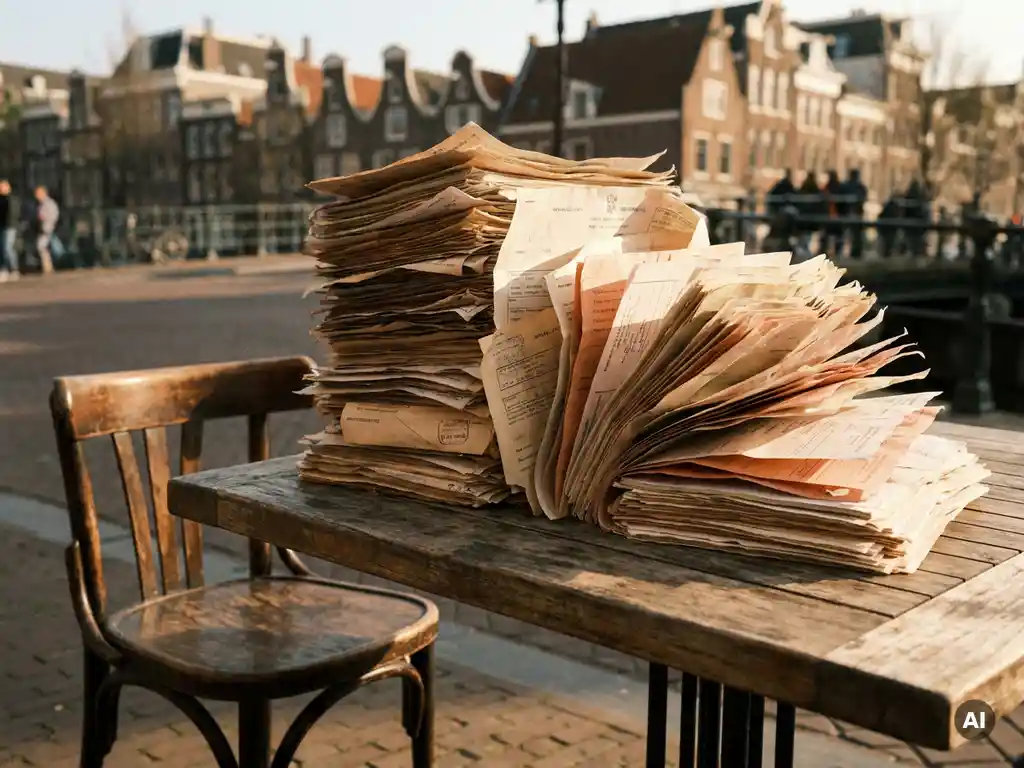
    Amsterdam’s terrace permit process is not fair to small business owners, at least not in practice. The system is technically open to all, but in reality it rewards those with the resources, connections, and stamina to navigate a slow, opaque, and often inconsistent municipal bureaucracy. Smaller operators frequently lose out to larger hospitality chains that can absorb delays, hire specialists, and lobby effectively. The sections below break down exactly how the system works, where it fails, and what a fairer version might look like.

    Who actually decides which businesses get a terrace permit in Amsterdam?

    In Amsterdam, terrace permits are issued by the municipality, specifically through the city’s district offices (stadsdelen) in coordination with the central licensing authority. The decision-making process involves multiple departments, including urban planning, traffic management, and in some cases the local police. No single desk makes the call, which is part of the problem.

    A business applying for a terrace permit in Amsterdam must submit plans that comply with the city’s Terrassenbeleid, the official terrace policy, which sets rules on dimensions, furniture types, placement relative to the street, and opening hours. District coordinators then assess whether the proposed terrace fits within the physical and social context of the street. That sounds reasonable on paper. In practice, it means different districts apply the rules differently, and outcomes can vary significantly depending on which civil servant reviews your file and how busy the queue is at the time.

    Neighbours and local residents’ committees can also submit objections, which adds another layer of unpredictability for applicants who have done everything right but happen to have a vocal neighbour with a grudge.

    What are the biggest complaints small business owners have about the permit process?

    The most consistent complaints from small business owners about Amsterdam’s terrace permit process centre on three things: the length of time it takes, the lack of clear communication from the municipality, and the inconsistency in how rules are applied from one street to the next.

    A permit application can take several months to process, and during that time a business owner may receive little to no proactive updates. For a small café or restaurant operating on tight margins, a delayed terrace permit is not a bureaucratic inconvenience, it is lost revenue during the spring and summer months when outdoor seating is most profitable.

    Other recurring frustrations include:

    • Unclear rejection reasons – businesses are sometimes turned down without a detailed explanation, making it difficult to know what to fix and reapply.
    • Inconsistent enforcement – some operators see competitors running terraces that appear to violate the same rules they were rejected for, with no apparent consequences.
    • High administrative burden – the paperwork and technical requirements are the same whether you are running a 10-seat neighbourhood café or a 200-seat restaurant, which disproportionately affects smaller operators who lack administrative staff.
    • Cost of compliance – approved terrace furniture must often meet specific aesthetic standards, which can mean replacing perfectly functional equipment at significant expense.

    The cumulative effect is a process that feels designed for those who already have the infrastructure to handle it, not for the independent owner-operator trying to put four tables on the pavement outside their coffee shop.

    How does Amsterdam’s system compare to other major European cities?

    Compared to other major European cities, Amsterdam’s terrace permit system sits somewhere in the middle, more structured than some southern European cities, but considerably more cumbersome than cities like Copenhagen or Vienna, where streamlined digital application processes and faster turnaround times have become the norm.

    In Barcelona, terrace permits are also regulated at the district level and can be similarly slow, but the city has invested in clearer public guidelines and digital tracking tools that give applicants more visibility into where their application stands. In Paris, the terrasse culture is so central to city identity that the municipality has historically been motivated to make the process work, and post-pandemic reforms accelerated permitting significantly to support hospitality recovery.

    Amsterdam, by contrast, has been slower to modernise its administrative infrastructure. The city has made digital improvements in some areas of municipal services, but the terrace permit application process in Amsterdam still involves a significant amount of back-and-forth that could be eliminated with better systems. What other cities have learned is that a well-designed permit process does not reduce standards, it just removes unnecessary friction for businesses that are trying to comply.

    Should Amsterdam reform its terrace permit rules to level the playing field?

    Yes, Amsterdam should reform its terrace permit rules, and the case for doing so is strong. The current system does not intentionally favour large operators over small ones, but that is the practical outcome. Reform does not mean deregulation; it means making the process faster, more transparent, and proportionate to the scale of what is being applied for.

    A few reforms that would make a meaningful difference:

    1. Standardised processing timelines with legally binding response deadlines, so applicants are not left waiting indefinitely.
    2. A tiered application system that distinguishes between small, straightforward terrace additions and larger, more complex proposals, reducing the administrative burden for smaller operators.
    3. Plain-language rejection notices that explain exactly what needs to change, giving businesses a real path to reapplication rather than a dead end.
    4. A single point of contact per application so that business owners are not bouncing between departments with no one taking ownership of the file.
    5. Consistent cross-district enforcement so that the rules mean the same thing on Haarlemmerdijk as they do on Utrechtsestraat.

    Amsterdam’s identity as a city built on trade, creativity, and independent enterprise is not well served by a bureaucratic process that quietly squeezes out the small operators who give neighbourhoods their character. The terraces that make Amsterdam streets feel alive in summer are not owned by chains, they belong to the independent cafés, the family-run restaurants, and the neighbourhood bars that have been here for decades. A permit system that works against them works against the city itself.

    How Klagen Niet Klagen covers Amsterdam’s city policies

    This is exactly the kind of topic that Klagen Niet Klagen was built for. Not the tourist-friendly version of Amsterdam, but the real one, where policies that sound reasonable in a council meeting create genuine problems for the people actually running businesses and living in the city. Here is what the blog offers on topics like this:

    • Honest, independent commentary on Amsterdam city policy written from over three decades of lived experience in the city
    • An English-language perspective that expats, international visitors, and globally minded Dutch readers can actually engage with
    • A clear editorial framework – Klagen when something is broken, Niet Klagen when the city gets it right
    • No tourism board influence, no advertorial pressure, no diplomatic hedging

    If you want more of this kind of commentary, browse the full blog archive or find out more about the voice behind it. And if you have a topic you think deserves the Klagen Niet Klagen treatment, get in touch, the inbox is open.

    If you enjoy sharp, honest takes on Amsterdam delivered with a comedic edge, then Boom Chicago is the live version of everything this blog stands for. For over thirty years, Boom Chicago has been doing exactly what this blog does, calling Amsterdam out and celebrating it in equal measure, but with better lighting and a drinks menu. Check the shows and agenda and come see what happens when comedy meets the city that never stops giving material. And if you are looking for something more tailored for a professional context, Boom for Business brings that same energy into corporate settings.

    Frequently Asked Questions

    Can a small business owner appeal a rejected terrace permit in Amsterdam, and is it worth the effort?

    Yes, rejections can be formally appealed through the municipality’s objection procedure (bezwaarprocedure), and in some cases escalated to an independent administrative court. Whether it is worth it depends on the reason for rejection — if the denial was vague or inconsistent with how similar applications were handled nearby, an appeal has genuine merit. The process adds more time and cost, which is itself a barrier for small operators, but documented cases of inconsistent enforcement can strengthen your position significantly.

    What practical steps can a small café or restaurant owner take right now to improve their chances of getting a terrace permit approved?

    The most effective things you can do before submitting are: request a pre-application meeting with your district’s terrace coordinator to flag potential issues early, consult the specific Terrassenbeleid guidelines for your district rather than the general citywide version, and get your technical drawings done by someone familiar with Amsterdam’s formatting requirements. Proactively notifying immediate neighbours before submitting — rather than letting them discover the application through official channels — can also reduce the likelihood of objections derailing an otherwise solid application.

    Are there any advocacy groups or organisations in Amsterdam that support small hospitality businesses dealing with permit issues?

    Koninklijke Horeca Nederland (KHN) is the main industry association for hospitality businesses in the Netherlands and actively lobbies on permit and regulatory issues at both the municipal and national level — membership gives smaller operators access to legal advice and a collective voice they would not have alone. Amsterdam’s own ondernemersverenigingen (business associations), which are often neighbourhood-specific, can also be useful for sharing information about how local district offices are operating and where the pressure points are. These networks will not fast-track your permit, but they give you information and solidarity that independent applicants often lack.

  • Why does Amsterdam make terrace permits so bureaucratic?

    Why does Amsterdam make terrace permits so bureaucratic?

    Amsterdam makes terrace permit applications so bureaucratic because the city is managing an exceptionally complex set of competing interests in a very small amount of space. Canals, cycling infrastructure, pedestrian flow, heritage protections, and neighbourhood liveability all have to coexist on streets that were never designed for mass outdoor hospitality. The rules are not arbitrary; they reflect real tensions. But that does not make them any less maddening to navigate.

    Below, the most common questions about terrace permits in Amsterdam get direct answers, from who makes the decisions to how long the whole process actually takes.

    Who actually decides whether a café gets a terrace?

    The Municipality of Amsterdam decides whether a café or restaurant receives a terrace permit, specifically through the district offices (stadsdelen). Amsterdam is divided into several administrative districts, and each one handles permit applications for its own area. This means the rules are applied locally, and the person reviewing your application works at district level, not city hall.

    In practice, multiple departments often weigh in. Traffic and public space departments assess whether a terrace obstructs pedestrian or cycling routes. Heritage bodies get involved if the location falls within a protected cityscape. Neighbourhood consultation processes can also influence outcomes, particularly in residential areas where residents have formal channels to raise objections. It is a genuinely collective decision, which is part of why it takes so long.

    What rules do Amsterdam terrace permits actually cover?

    A terrace permit application in Amsterdam covers a wide range of physical and operational requirements. These include the exact dimensions and placement of the terrace, the type of furniture allowed, permitted hours of operation, rules around heating and lighting, and whether any form of enclosure or canopy is acceptable. Each element is regulated separately.

    The city distinguishes between different terrace types: a terrace on a public pavement is treated differently from one on a private forecourt or a floating terrace on a canal. Key requirements typically include:

    • A minimum clearance for pedestrian passage (usually at least 1.5 metres on the pavement)
    • Furniture that meets city aesthetic guidelines, particularly in heritage zones
    • No permanent structures without additional building permits
    • Seasonal restrictions in some locations, limiting terraces to warmer months
    • Noise and closing time rules tied to the broader horecavergunning (hospitality licence)

    The terrace permit does not exist in isolation; it sits alongside the main hospitality licence, any alcohol licence, and sometimes a separate environmental permit. Getting all of these aligned is where things get genuinely complicated.

    Why is Amsterdam’s terrace permit process so much stricter than other European cities?

    Amsterdam’s terrace permit process is stricter than most European cities because the city combines an unusually dense historic urban fabric with some of the highest pedestrian and cycling volumes on the continent. Streets that look wide on a map are actually shared between cyclists, pedestrians, parked bikes, delivery vehicles, and tourists, all at the same time. Adding a terrace into that equation requires real scrutiny.

    There are also several layers of protection that other cities simply do not have to the same degree. The historic canal ring is a UNESCO World Heritage Site, which means that anything visible from the street, including terrace furniture and signage, is subject to aesthetic review. Amsterdam’s welstandscommissie (beauty commission) can reject designs that clash with the character of a protected area.

    Beyond heritage, Amsterdam has faced significant pressure from overtourism for years. City policy has become increasingly cautious about anything that expands the hospitality footprint in already saturated neighbourhoods. A terrace is not just a business decision; it is a land-use decision in one of Europe’s most contested urban environments. That context shapes every step of the application process.

    How long does it take to get a terrace permit in Amsterdam?

    Getting a terrace permit in Amsterdam typically takes between eight and sixteen weeks from the point of submitting a complete application, though complex cases or applications in heritage zones can take significantly longer. If the application triggers a public consultation or objection period, the timeline extends further. Incomplete applications restart the clock.

    The most common reasons for delays include:

    • Missing documentation, floor plans, dimensions, or furniture specifications not submitted upfront
    • Location-specific complications, such as proximity to a canal, a monument, or a busy cycling route
    • Objections from neighbours or local resident associations
    • Coordination required between multiple city departments
    • Seasonal application peaks, particularly in late winter when operators apply ahead of summer

    The practical advice from anyone who has been through the process is to apply earlier than feels necessary and to get the paperwork right the first time. Amsterdam’s district offices are not known for speed, and there is no fast-track option for most applicants. If you are planning to open a terrace for the summer season, submitting in January is not overcautious; it is realistic.

    How Klagen Niet Klagen helps you make sense of Amsterdam’s rules

    Amsterdam’s bureaucracy is not going to simplify itself anytime soon. But understanding why the rules exist, and how they actually work, makes the whole thing a little less infuriating. That is exactly what Klagen Niet Klagen is here for: honest, insider commentary on Amsterdam life written by someone who has been navigating this city’s systems for over thirty years.

    • Long-form essays and opinion pieces on Amsterdam policy, city life, and the contradictions that make this city endlessly interesting
    • A perspective rooted in real experience, not tourism boards, not press releases, not anonymous bloggers
    • Content written for expats, international visitors, and curious locals who want more than surface-level takes
    • Regular new pieces covering the cultural, political, and bureaucratic realities of living in Amsterdam

    If this kind of commentary is what you have been looking for, find out more about the blog and explore what else is in the archive. There is plenty more where this came from.

    And if you want to experience Amsterdam’s creative energy in a completely different way, come and see what Boom Chicago has been doing since 1993. The same sharp, honest, Amsterdam-rooted perspective that runs through this blog has been fuelling some of the best live comedy in the Netherlands for decades. Check the shows and agenda; it is a very good night out.

    Frequently Asked Questions

    What is the single most common mistake operators make when applying for a terrace permit in Amsterdam?

    The most common mistake is submitting an incomplete application — particularly missing accurate floor plans, precise terrace dimensions, or furniture specifications. Amsterdam’s district offices will not process incomplete files, and any missing document effectively restarts the timeline. Before submitting, cross-check your application against the specific checklist published by your stadsdeel, as requirements can vary slightly between districts.

    Can I operate my terrace while my permit application is still being reviewed?

    No — operating a terrace without a valid permit in Amsterdam is a violation of municipal rules and can result in fines or complications for your broader hospitality licence (horecavergunning). Even if your application is pending, you must wait for formal approval before placing furniture on public space. Some operators mistakenly assume a submitted application grants temporary permission; it does not.

    If my terrace permit application is rejected, can I appeal the decision?

    Yes, you can submit a formal objection (bezwaar) against a rejected terrace permit decision within six weeks of receiving the ruling. If that objection is also rejected, you have the option to escalate to the administrative court (bestuursrechter). In practice, appeals are most successful when the original rejection was based on procedural grounds or incomplete information rather than a fundamental policy conflict, so addressing the specific reasons for refusal is critical before resubmitting or appealing.

  • What does Amsterdam do with the tourist tax money?

    What does Amsterdam do with the tourist tax money?

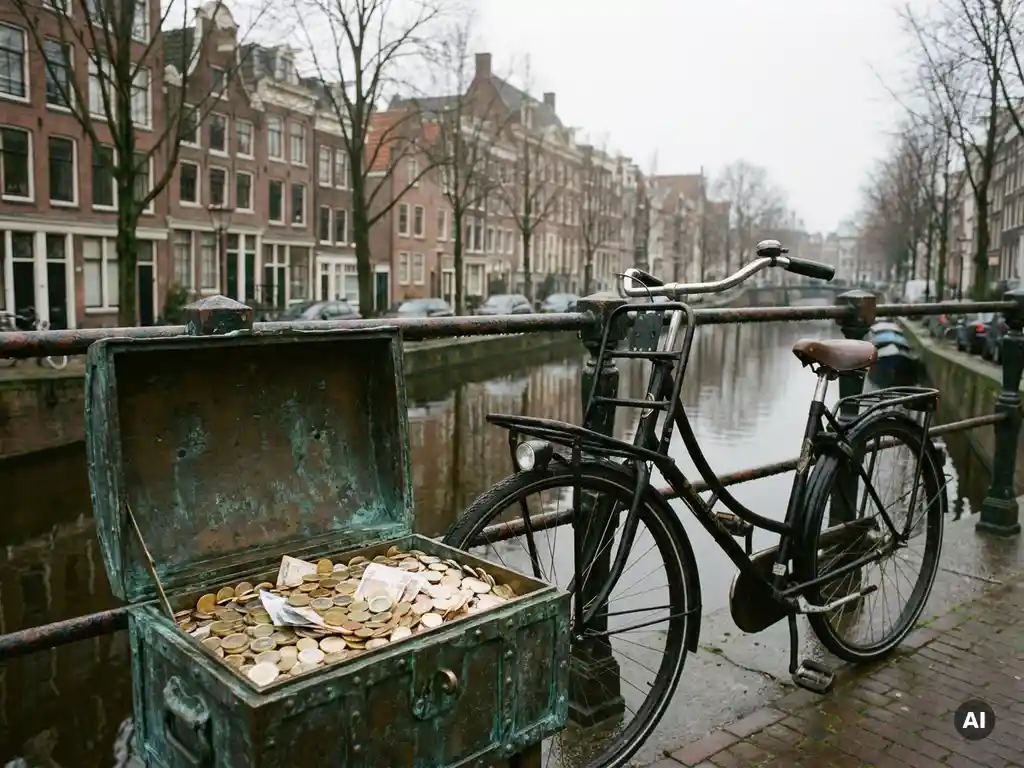
    Amsterdam spends its tourist tax revenue on a mix of city maintenance, cultural institutions, and public infrastructure, though the exact allocation shifts with each municipal budget cycle. The city frames the tax as a way to manage the costs that mass tourism creates for residents and public services. Whether that framing holds up to scrutiny is a fair question, and one worth unpacking in detail.

    Where does Amsterdam’s tourist tax money actually go?

    Amsterdam’s tourist tax revenue flows into the city’s general municipal budget rather than a ring-fenced tourism fund. In practice, this means the money is distributed across a broad range of city expenses, from street cleaning and waste management to cultural subsidies and infrastructure projects. There is no single dedicated account that tourism euros flow into and out of transparently.

    The city does point to specific spending categories that benefit from tourist-related income. These include maintenance of the historic canal ring, crowd management in high-pressure neighbourhoods like the Jordaan and the Red Light District, and support for museums and cultural venues. The Amsterdam City Council periodically publishes budget documents that break down revenue streams, but connecting specific tourist tax euros to specific outcomes requires some forensic reading of municipal finances.

    The honest answer is that tourist tax money blends into a larger pot. Whether that is good governance or a convenient way to avoid accountability depends on your level of optimism about city hall.

    How much tourist tax does Amsterdam collect each year?

    Amsterdam collects hundreds of millions of euros annually from tourist taxes, making it one of the highest-earning cities in Europe from this revenue source. The city charges a percentage-based overnight tax on hotel stays, plus a flat fee per person per night for other accommodation types, including short-stay rentals. Cruise ship passengers also pay a per-person levy when docking in Amsterdam.

    The exact figure fluctuates with visitor numbers, accommodation pricing, and policy changes. In recent years Amsterdam has progressively raised its tourist tax rate, partly to generate more revenue and partly to signal to the market that the city is not cheap to visit. The rate increases have been deliberate and politically driven, reflecting growing resident frustration with overtourism.

    What is striking is how large the total sum is relative to what residents visibly see in return. When the numbers run into the hundreds of millions and the canals still flood with day-trippers and the Leidseplein is still a chaos of hen parties, the question of where all that money actually goes becomes impossible to ignore.

    Does the tourist tax actually reduce overtourism in Amsterdam?

    No, not meaningfully. The tourist tax in Amsterdam functions primarily as a revenue tool, not a demand management instrument. Raising the overnight tax by a few euros does not deter the kind of tourist Amsterdam most wants to discourage. Budget travellers on stag weekends are not price-sensitive enough to stay home because a hotel room costs slightly more.

    Effective overtourism reduction requires a different toolkit entirely. Amsterdam has experimented with other measures alongside the tax, including banning new hotels in the city centre, restricting short-stay rental platforms, and actively discouraging certain types of visitor marketing. These structural interventions have more direct impact on visitor behaviour and volume than any overnight levy.

    The tourist tax is better understood as compensation for the costs of tourism rather than a cure for them. It does not cap visitor numbers, redirect tourist flows to quieter neighbourhoods, or change the fundamental economics of a weekend trip to Amsterdam. For that, the city needs harder policy tools and the political will to use them.

    Should Amsterdam residents see more benefit from tourist tax revenue?

    Yes, and many residents would argue they already should. The case for directing more tourist tax revenue toward resident-facing benefits is straightforward: it is residents who absorb the daily costs of mass tourism, from noise and congestion to housing pressure and the loss of neighbourhood character. If tourism generates significant public revenue, a visible portion of that revenue should demonstrably improve the lives of the people who live with its consequences year-round.

    Some cities have experimented with more transparent models, earmarking tourist tax funds for specific resident priorities such as affordable housing, local cultural programmes, or neighbourhood improvement schemes. Amsterdam has not gone this far in any systematic way, though individual budget decisions do occasionally direct funds toward resident-relevant projects.

    The deeper issue is one of democratic accountability. When tourist tax revenue disappears into a general fund with limited public reporting on outcomes, residents have no meaningful way to assess whether the city is managing tourism in their interest. A more transparent, resident-focused allocation model would not only be fairer, it would also give the tax political legitimacy that it currently lacks among the people who need it most.

    How Klagen Niet Klagen covers Amsterdam’s tourist tax debate

    If you have ever wondered whether Amsterdam’s city policies actually serve the people who live here, you are not alone. Klagen Niet Klagen exists precisely for that kind of question. Written by Andrew Moskos, co-founder of Boom Chicago and a resident of Amsterdam for over three decades, the blog takes an honest, informed, and often irreverent look at the city’s contradictions, including the gap between what Amsterdam says it does with tourism revenue and what residents actually experience.

    • Long-form commentary on Amsterdam city policy written from genuine insider experience
    • No tourism board influence, no advertorial pressure, no diplomatic softening of inconvenient truths
    • A consistent editorial voice that connects the dots between policy decisions and everyday Amsterdam life
    • Content written in English for globally minded readers who want more than a surface-level take

    If this kind of honest Amsterdam commentary is what you are looking for, find out more about the blog and explore the archive. There is plenty more where this came from.

    And if you want to experience Amsterdam’s sharpest comedy alongside its sharpest opinions, Boom Chicago has been doing exactly that since 1993. The same instinct that drives this blog, the refusal to be polite when honest is better, has always been at the heart of what happens on that stage. Worth a visit.

    Frequently Asked Questions

    How does Amsterdam's tourist tax rate compare to other major European cities?

    Amsterdam consistently ranks among the most expensive cities in Europe for overnight tourist taxes, particularly after its recent rate increases. Cities like Paris, Barcelona, and Rome charge tourist taxes too, but Amsterdam’s combination of a percentage-based hotel levy and flat-rate fees for other accommodation types often results in a higher total charge per stay. If you are benchmarking European tourist tax policy, Amsterdam is a useful high-water mark for understanding how aggressively a city can price its hospitality sector without significantly denting visitor demand.

    What is the difference between Amsterdam's tourist tax and its cruise ship levy, and which raises more money?

    Amsterdam’s overnight tourist tax applies to people staying in hotels, short-stay rentals, and similar accommodation, while the cruise ship levy is a flat per-person charge paid when passengers dock in the city. The overnight tax almost certainly raises more total revenue given the volume of hotel and short-stay nights booked annually, but the cruise levy has attracted more political attention because cruise passengers generate significant foot traffic and environmental impact while contributing very little to the local economy. Targeting cruise tourism more aggressively through higher levies is a policy debate that Amsterdam has not fully resolved.

    Could Amsterdam realistically earmark tourist tax revenue for a dedicated housing or affordability fund for residents?

    Legally and administratively, yes — there is nothing stopping Amsterdam from ring-fencing a portion of tourist tax revenue for a dedicated resident benefit fund, such as affordable housing subsidies or neighbourhood improvement programmes. The barrier is political rather than structural: municipal governments tend to resist hypothecated taxes because they reduce budget flexibility. However, several cities globally have moved in this direction under sustained resident pressure, and Amsterdam’s growing overtourism backlash creates exactly the kind of political conditions where a more transparent, resident-first allocation model becomes viable. It would require genuine political will and a willingness to trade budget flexibility for public trust.

  • How does the traffic policy affect bike and scooter riders?

    How does the traffic policy affect bike and scooter riders?

    Amsterdam’s traffic policy in the city center affects bike and scooter riders in meaningfully different ways. Scooters have faced the most dramatic restrictions, with mopeds and speed pedelecs largely pushed off cycle paths in the city center and onto the main roadway. Cyclists, by contrast, have generally gained more protected space as a result. Below, the key questions get straight answers.

    What has changed for scooter riders under Amsterdam’s traffic policy?

    Under Amsterdam’s traffic policy, scooters (bromfietsen) are no longer permitted on most cycle paths in the city center. Instead, riders must use the main carriageway alongside cars and trams. This applies to both mopeds and speed pedelecs. The shift was introduced to reduce air pollution, lower noise levels, and make cycle paths safer and more pleasant for cyclists.

    In practice, this means scooter riders must wear a helmet when using the main road, since that requirement kicks in the moment they leave the protected bike lane. The change was controversial when first introduced, but the reasoning behind it is straightforward: scooters travel significantly faster than bicycles, and their presence on narrow Amsterdam cycle paths had long been a source of near-misses and genuine danger. The policy essentially treats faster, motorized two-wheelers as motor vehicles, which, legally speaking, they are.

    Speed pedelecs, which can reach up to 45 km/h, fall under the same rules as mopeds in the city center. Regular electric bikes, which are limited to 25 km/h with motor assistance, are treated as ordinary bicycles and remain welcome on cycle paths.

    Are cyclists treated differently from scooter riders in Amsterdam?

    Yes, cyclists are treated very differently from scooter riders under Amsterdam’s traffic policy. Standard bicycles, including regular electric bikes with a maximum assisted speed of 25 km/h, retain full access to cycle paths throughout the city center. Scooters and speed pedelecs do not. The dividing line is speed and motor classification, not whether the vehicle has two wheels.

    This distinction matters enormously in daily life. A commuter on a regular e-bike can glide through the city on dedicated infrastructure, largely separated from car traffic. A scooter rider on the same route must now navigate tram rails, buses, and turning vehicles on the main road. It is a significant difference in both comfort and safety.

    The policy reflects a broader philosophy in Amsterdam: cycle paths are for cyclists, not for anything that blurs the line between bicycle and motorbike. It is a clear hierarchy, and it has made cycle paths noticeably calmer.

    Which streets and zones do the new traffic rules apply to?

    The scooter restrictions under Amsterdam’s traffic policy apply primarily to the city center and surrounding ring areas, which together cover the busiest and most densely used cycling infrastructure in the city. The city center (Centrum) was the first area where mopeds were banned from cycle paths, and the zone has expanded over time to include major routes in neighboring districts.

    Specific streets and zones are designated with signage, and the rules do not apply uniformly across the entire city. In outer neighbourhoods and on routes where cycle paths are wide or traffic volumes are lower, the restrictions may be less stringent. However, the general direction of travel, politically and practically, has been toward expanding the restricted zones rather than reducing them.

    If you ride a scooter regularly in Amsterdam, the safest assumption is that any cycle path in or near the center is off-limits unless signage explicitly indicates otherwise. Checking the municipality’s official map of restricted zones before planning a regular commute is worth the five minutes it takes.

    What happens if you break Amsterdam’s bike or scooter traffic rules?

    Breaking Amsterdam’s traffic rules for bikes and scooters results in a fine issued by enforcement officers or police. Scooter riders caught using a cycle path in a restricted zone face a fixed penalty. Cyclists who violate rules, such as running a red light, using a phone while riding, or cycling the wrong way on a one-way street, are also subject to fines, which have increased in recent years.

    Enforcement in Amsterdam is active, particularly in the city center. Officers patrol on foot and by bike, and fines are issued on the spot. Repeat violations do not automatically lead to escalating penalties in the same way that driving offenses might, but the fines are set at a level designed to be genuinely discouraging rather than merely symbolic.

    For scooter riders, the additional risk of being on the main road without proper equipment, specifically without a helmet, compounds the problem. Riding a moped on the carriageway without a helmet is itself a separate infraction. The practical advice is simple: know which category your vehicle falls into, know where the restricted zones are, and ride accordingly.

    How Klagen Niet Klagen helps you navigate Amsterdam city life

    Traffic rules are just one layer of the city that takes time to fully understand. Klagen Niet Klagen exists precisely for moments like this, when you want a straight answer written by someone who has actually lived here for over thirty years, not a tourism board press release or a recycled expat forum thread.

    • Honest, insider commentary on Amsterdam policies and how they affect daily life
    • Long-form essays that go beyond headlines and actually explain the reasoning behind city decisions
    • A perspective shaped by decades of living, working, and building something real in Amsterdam
    • Content written in English, for people who engage with the city on their own terms

    If you want more of this, the blog archive is the place to start. And if you have a question, a topic you think deserves the treatment, or just want to get in touch, the contact page is right there.

    And while you are navigating Amsterdam, there is one more thing worth knowing: Boom Chicago has been making people laugh in this city since 1993. If you have never been to a show, or if it has been a while, the shows and agenda page is worth a look. Live comedy in Amsterdam, done properly. That is very much a Niet Klagen situation.

    Frequently Asked Questions

    How do I know whether my electric bike counts as a regular bicycle or a speed pedelec under Amsterdam's rules?

    The key factor is the maximum speed at which the motor provides assistance. If your e-bike’s motor cuts out at 25 km/h, it is classified as a regular bicycle (rijwiel) and you are free to use cycle paths as normal. If the motor continues to assist up to 45 km/h, it is classified as a speed pedelec (snorfiets or bromfiets depending on type), and in Amsterdam’s city center it must use the main carriageway. When in doubt, check your bike’s technical documentation or the registration certificate — the classification should be clearly stated there.

    What should a scooter rider actually do to stay safe now that they have to use the main road in Amsterdam?

    The most important step is wearing a helmet, which is both legally required and genuinely necessary given the speed and density of Amsterdam’s city-center traffic. Beyond that, scooter riders should stay alert to tram rails, which are a real hazard for narrow wheels, and position themselves clearly in the lane rather than hugging the kerb where drivers may not expect them. Riding predictably and avoiding gaps between buses and trams will reduce the risk significantly — the main road is more demanding than a cycle path, but manageable if you treat it with the same seriousness as driving a car.

    Are rental scooters and shared e-scooters subject to the same city-center restrictions as privately owned ones?

    Yes, the restrictions apply based on vehicle classification, not ownership. Shared scooters and mopeds available through rental platforms fall under the same rules as privately owned equivalents — if the vehicle is classified as a bromfiets or snorfiets, it cannot use cycle paths in restricted zones regardless of who owns it. Some shared e-scooter schemes operate vehicles classified as step scooters (steps) with lower speed limits, which may be treated differently, so it is worth checking the specific classification of the rental vehicle before you ride.